
Psilocybin for Addiction: Alcohol, Tobacco, and Opioids — What the Research Shows
Addiction represents one of the most promising and clinically credible applications for psilocybin-assisted therapy. The evidence base for tobacco and alcohol use disorders is more developed than for nearly any other application outside of depression, and the mechanisms proposed are coherent and testable. This guide covers the state of the evidence in 2026.
The Big Picture
The therapeutic challenge of addiction isn't primarily pharmacological — it's that addiction involves deeply entrenched patterns of thought, identity, and behavior that persist despite their harm. Standard pharmacological treatments (varenicline for nicotine, naltrexone for alcohol, buprenorphine for opioids) address the acute biology of craving and withdrawal but don't reliably produce the kind of perspective shift that makes sustained recovery possible.
Psilocybin may address a different level: the self-narrative and habitual cognitive patterns that maintain addiction. The evidence, though still limited in scale, suggests it does — and the mechanisms explain why.
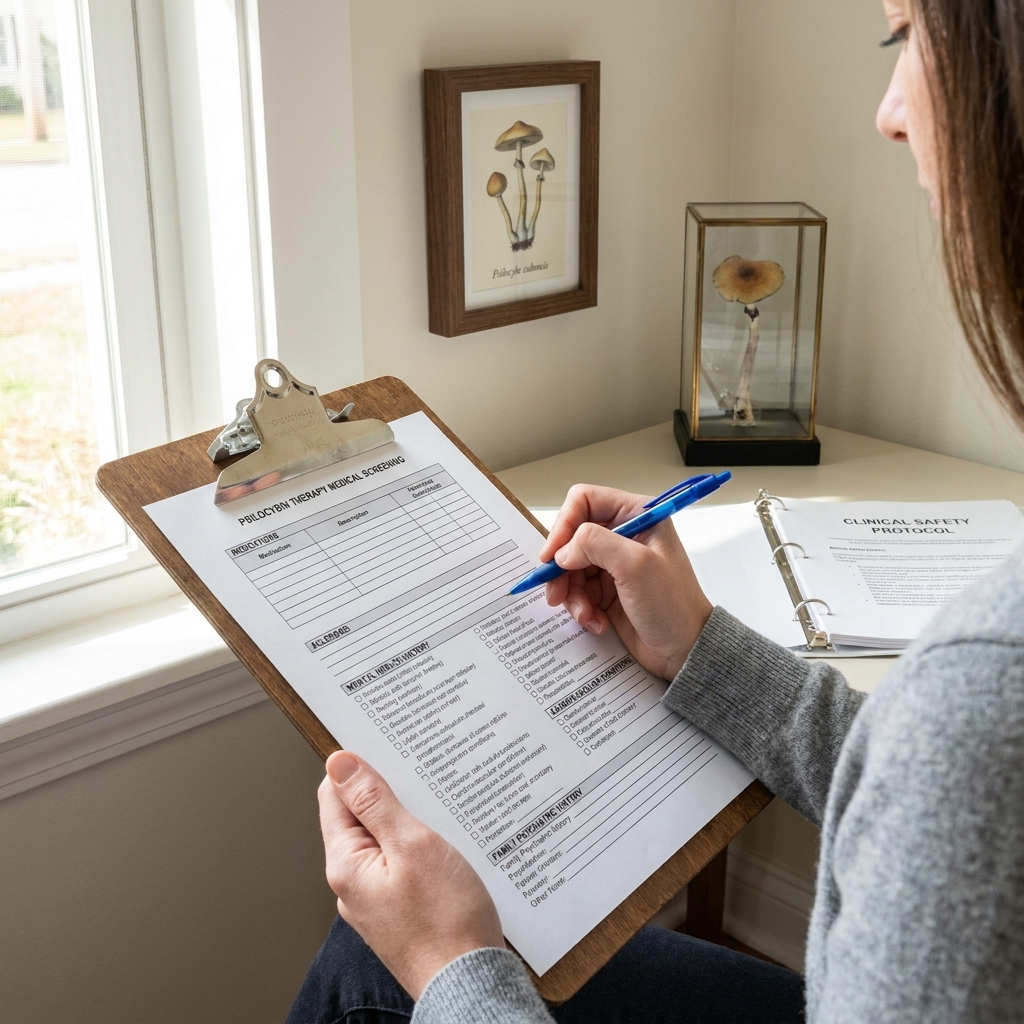
Tobacco
The Johns Hopkins Smoking Cessation Study (2014)
15 long-term smokers who had failed multiple cessation attempts. 2-3 psilocybin sessions combined with cognitive behavioral therapy (CBT).
- 80% abstinence at 6-month follow-up
- 67% abstinence at 12 months
- Compare: best available pharmacotherapy (varenicline) achieves approximately 35% at 6 months
These numbers are extraordinary. They represent nearly double the best available pharmacological treatment for a substance use disorder that kills 480,000 Americans annually.
The participants' qualitative accounts cluster around a similar theme: the experience created a vantage point outside the addicted self-narrative — a perspective from which smoking seemed foreign, incongruous with who they actually were. Multiple participants described the session as making smoking "feel like something I used to do" rather than "something I am."
What's happening in 2026: A larger randomized controlled trial comparing psilocybin-assisted therapy to nicotine patch (as active control) is in advanced stages at Johns Hopkins. Results are expected by late 2026 or 2027. If the effect size holds in a controlled design, this will be among the strongest evidence for psychedelic-assisted therapy in any indication.
Alcohol
NYU Langone — Bogenschutz et al. (2015, 2022)
Two studies — a 2015 pilot and a 2022 randomized controlled trial — represent the core evidence.
2022 RCT (JAMA Psychiatry, n=93):
- Psilocybin vs. diphenhydramine (active placebo)
- 12 weeks of Motivational Enhancement Therapy (MET) in both arms
- Percent heavy drinking days: decreased 83% in psilocybin group vs. 51% in placebo
- Abstinence: significantly higher in psilocybin group
This is the first large randomized controlled trial of psilocybin for any substance use disorder. The effect size — psilocybin produced meaningfully better outcomes even against an active placebo — is clinically significant.
Mechanism: Alcohol use disorder involves entrenched self-referential patterns around drinking identity and the role of alcohol in managing stress and emotion. The default mode network (DMN) mediates these patterns. Psilocybin's reliable reduction of DMN activity creates a window in which these patterns are temporarily loosened.
The mystical-type experience correlation observed in the smoking data appears here too: alcohol participants with more profound subjective experiences showed greater reductions in drinking. The quality of the session matters.
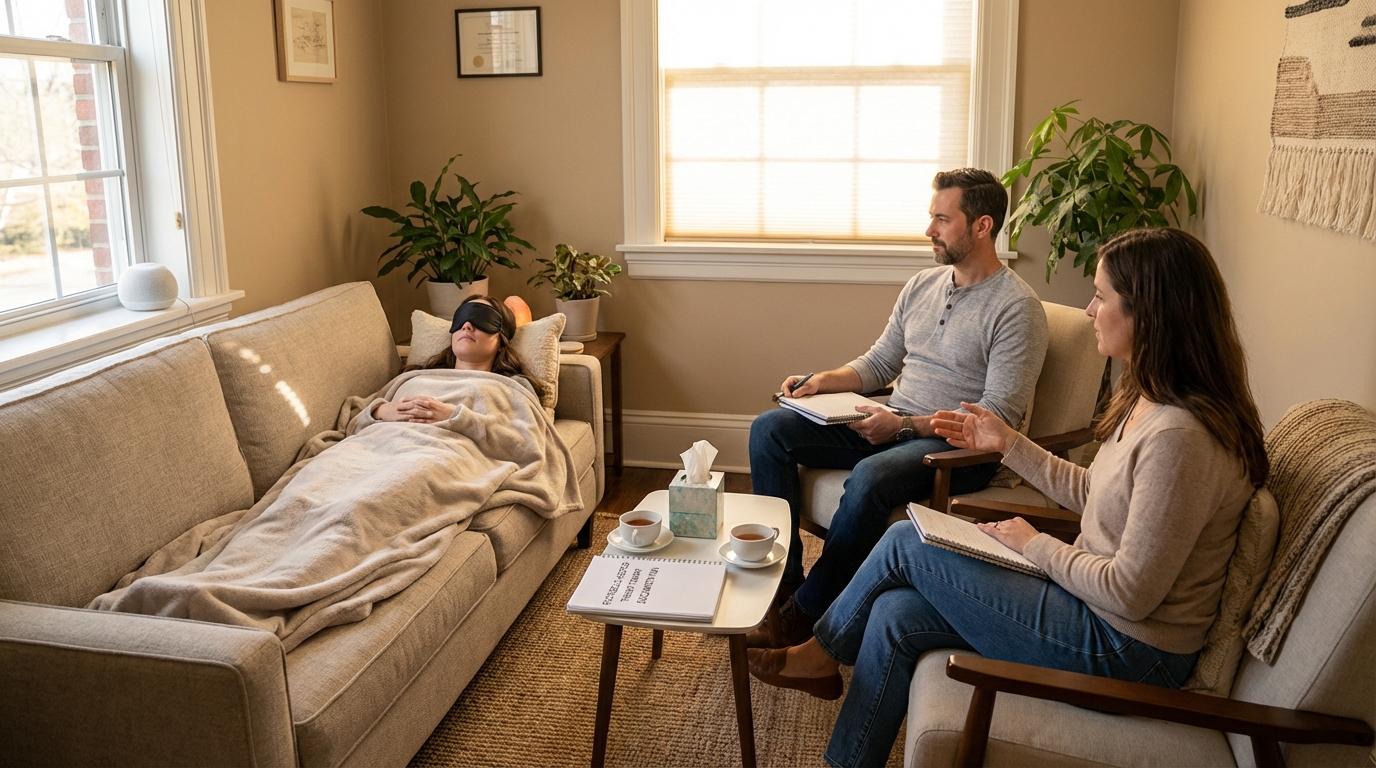
Opioids
The critical gap. Given the scale of the opioid epidemic — approximately 80,000 opioid overdose deaths annually in the US — opioid use disorder represents the highest-priority unmet need in addiction medicine. Psilocybin-specific evidence is thin.
What exists:
- University of Alabama Birmingham Phase 2 trial: psilocybin for opioid craving — enrolling 2025-2026
- Johns Hopkins: opioid pilot in development
- Case reports and mechanistic arguments from multiple groups
What doesn't exist yet: A completed Phase 2 RCT for psilocybin in opioid use disorder.
Important context: Ibogaine
Ibogaine (from the African iboga plant) has substantially stronger evidence for opioid use disorder than psilocybin. A Stanford Medicine study in 30 veterans published in Nature Medicine (February 2024) showed:
- Average 88% improvement in disability ratings
- 46% reduction in suicidal ideation
- 87% reduction in PTSD symptoms
Ibogaine is a Schedule I substance in the US (making domestic trials difficult), has cardiac risks requiring monitoring, and is being evaluated in Mexico and other countries. For opioid-dependent individuals, ibogaine should be understood as part of the same psychedelic-assisted therapy landscape — it may be more directly relevant than psilocybin for opioid specifically.
The Mechanism: Why Psychedelics May Help With Addiction
1. Default Mode Network disruption
The DMN mediates self-narrative and habitual thinking. Addiction is identity-level: "I am a smoker." "I drink to cope." "I can't stop." Psilocybin's well-documented suppression of DMN activity temporarily interrupts these narratives — creating a window in which they feel less permanent, less constitutive of self.
2. Neuroplasticity elevation
Post-psilocybin neuroplasticity is elevated for 2-4 weeks. During this window, new behaviors and cognitive patterns are more easily established. This is why psilocybin + behavioral therapy outperforms either alone: the psilocybin opens the window; the therapy walks through it.
3. The mystical experience effect
Both smoking and alcohol data show that mystical-type experience ratings correlate with outcomes. Participants who report the most profound, self-transcendent experiences show the greatest behavioral change. This suggests the subjective quality of the session is therapeutically active in ways beyond neuroplasticity.
4. Motivation shift
Multiple participants describe a shift from "trying to quit" to "having quit" — a change in the relationship with the behavior rather than an ongoing effort to resist it. This is qualitatively different from the willpower model and may explain the durability of effects.
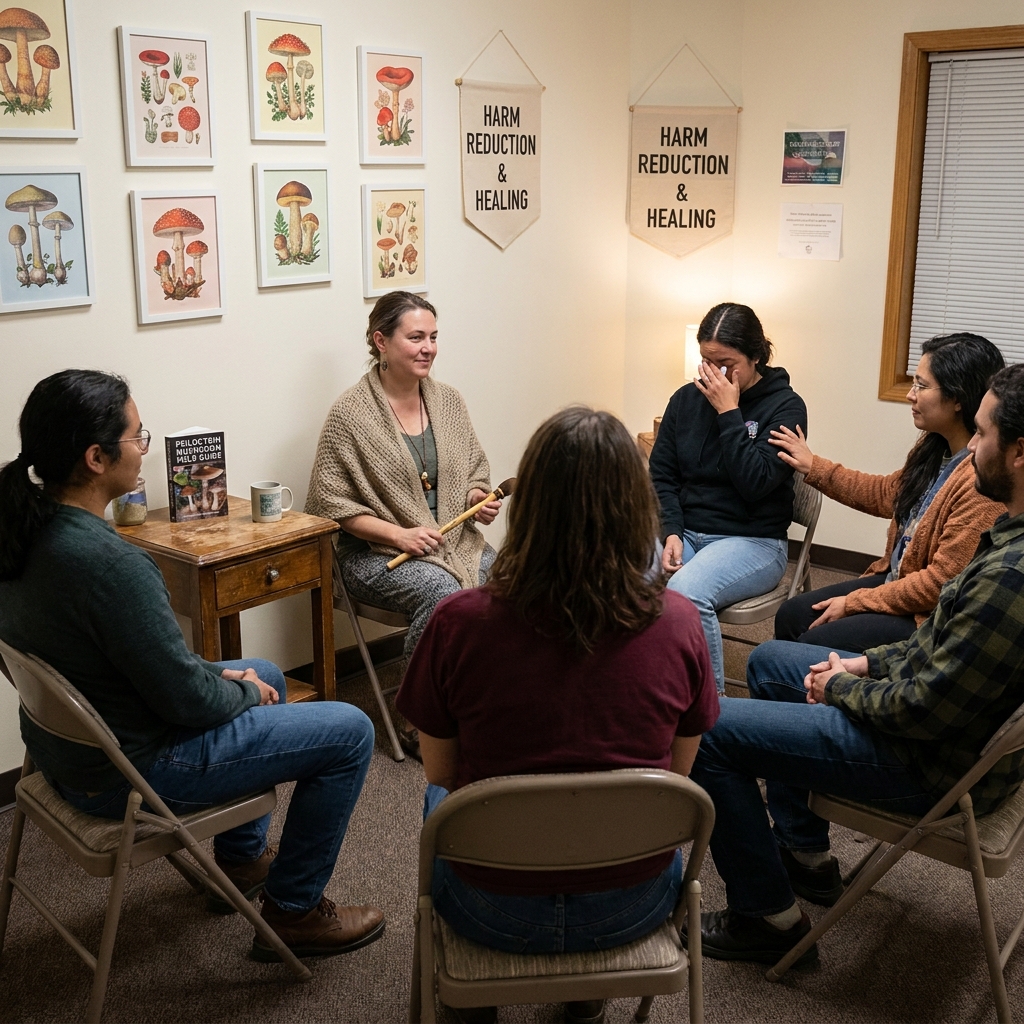
Access in 2026
Clinical Trials
Free treatment, highest safety monitoring. Check ClinicalTrials.gov:
- "psilocybin tobacco" — Johns Hopkins main trial
- "psilocybin alcohol" — NYU follow-up studies and new sites
- "psilocybin opioid" — UAB and developing programs
Oregon / Colorado Service Centers
Legal access for adults. Not addiction treatment programs — they don't provide withdrawal management or MAT. Appropriate for individuals who are already medically stable and seeking psilocybin for intentional work on their relationship with addictive substances.
Nonprofit Support
Several nonprofits provide partial or full funding for individuals pursuing psilocybin treatment for addiction:
- MAPS PBC: clinical trial access and some compassionate access programs
- Heroic Hearts Project: veterans with PTSD/addiction comorbidity
- Plant Medicine Healing Alliance: advocacy and access support
What Addiction Treatment Psilocybin Is Not
It is not a substitute for medical withdrawal management. Opioid and alcohol withdrawal can be medically dangerous — if acute withdrawal is present, this must be managed medically before any psilocybin work. Psilocybin is not used acutely for withdrawal; it is used as a catalyst for longer-term recovery when the patient is medically stable.
Resources
- ClinicalTrials.gov — search condition + psilocybin for active trials
- SAMHSA National Helpline — 1-800-662-4357 — substance use treatment referral
- Fireside Project — 623-473-7433 — psychedelic peer support
- SMART Recovery — smartrecovery.org — secular peer support