
The cost problem is part of the safety problem
Psilocybin access in 2026 is not just a legal question. It is a cost question, an insurance question, and a trust question. People who cannot afford regulated care are more likely to consider unverified providers, underground sessions, online products, or travel offers that look cheaper upfront but carry more legal, medical, and product risk.
This guide is a practical reality check. It does not recommend psilocybin, does not provide medical advice, and does not tell anyone how to evade the law. It helps readers understand why legal access costs what it costs, what insurance usually does not cover, and what to ask before paying.
For broader context, compare this with LearnShrooms' therapy cost guide, clinical trials guide, Directory, and veterans access page.
Why regulated sessions are expensive
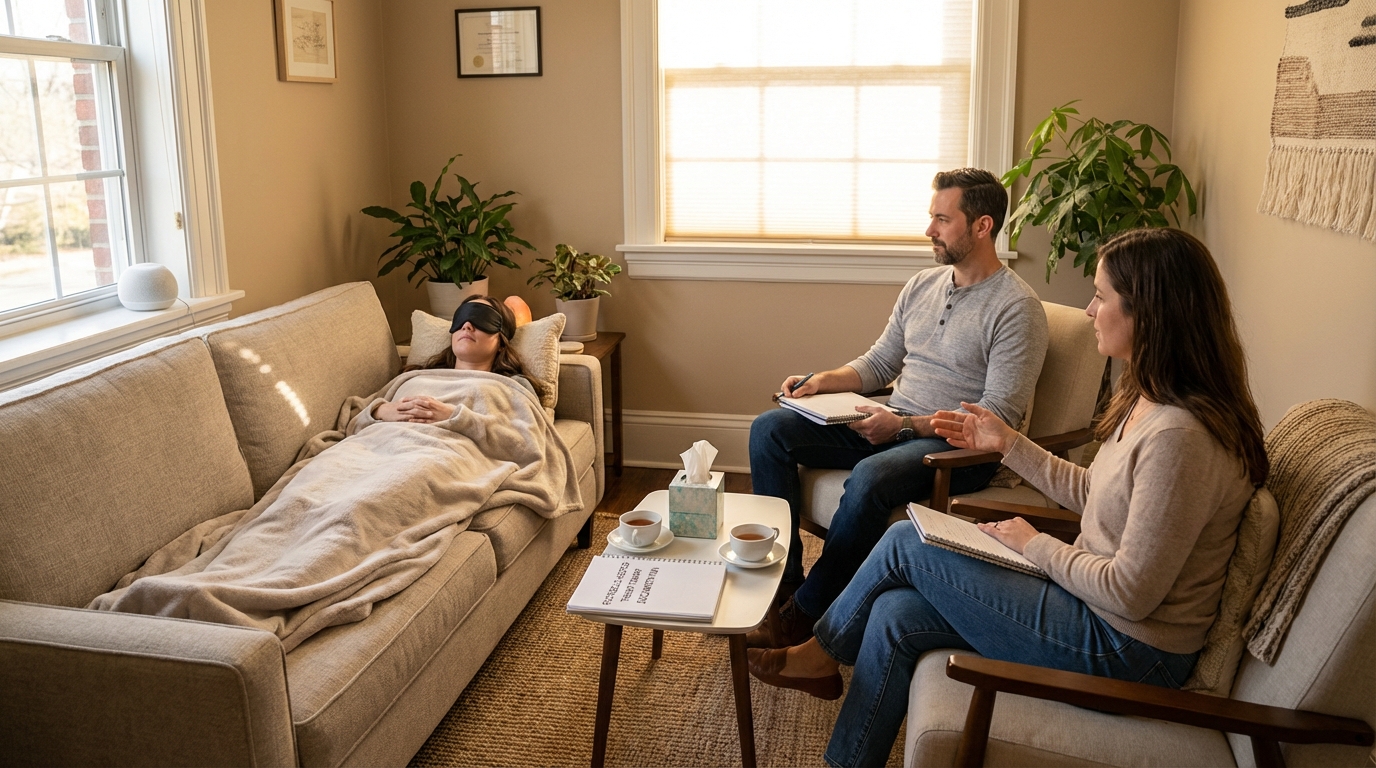
The common complaint is fair: legal psilocybin services can cost thousands of dollars. But the fee is not only for the mushroom product. A regulated session may include:
- intake and screening time
- preparation session time
- a long administration session that may last most of a day
- integration support
- licensed premises overhead
- insurance and compliance costs
- product testing and regulated supply-chain costs
- staff time for documentation and safety planning
Oregon makes one key point plainly: Oregon Psilocybin Services does not set or regulate prices. Each licensed service center and facilitator sets its own prices. That means the state can license the framework without making it affordable.
Colorado's regulated model creates similar overhead. Licensed natural medicine services require trained facilitators, regulated businesses, compliance procedures, and licensed settings. Whether Colorado becomes meaningfully cheaper than Oregon depends on business models, local approvals, insurance realities, group formats, and whether providers can operate sustainably.
Insurance: the plain answer
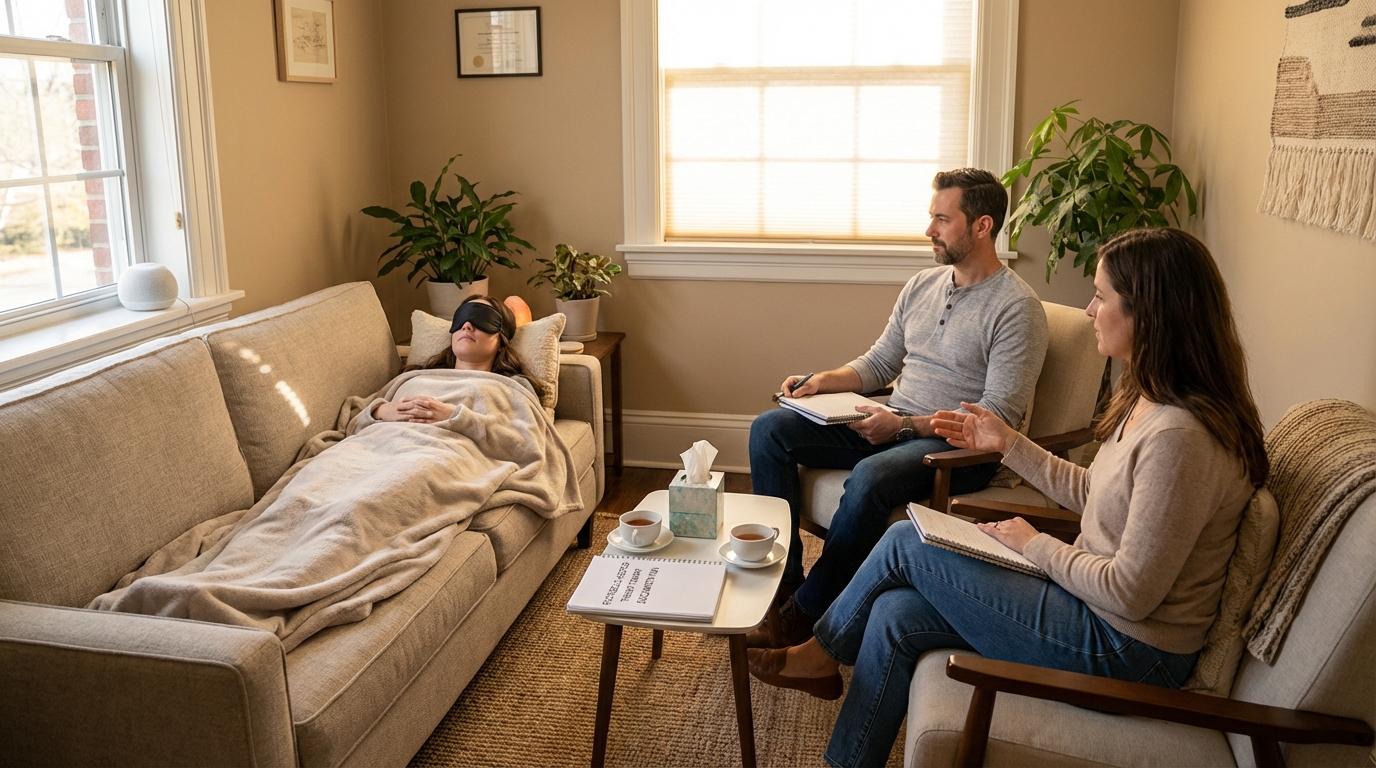
In most cases, do not assume health insurance will pay for psilocybin services. Psilocybin remains illegal under federal law and no psilocybin product has ordinary FDA approval for prescription use in the United States. New Mexico's program FAQ says insurance and Medicaid may not cover psilocybin treatments because psilocybin is not federally legal, though some connected therapy or medical services may be covered.
That distinction matters. A therapist visit might be billable. A medical evaluation might be billable. The psilocybin product and administration-session support usually are not. Some providers may accept HSA or FSA payment for eligible therapy components, but that is not the same as insurance coverage. Ask your insurer and tax professional rather than relying on a provider's marketing language.
What to ask before you pay
Before booking, ask for a written cost breakdown:
| Cost item | Ask this | |---|---| | Intake | Is it included or billed separately? | | Preparation | How many sessions are required, and who provides them? | | Administration | How many hours are included? What happens if the session runs long? | | Product | Is psilocybin product billed separately? Is testing included? | | Integration | How many sessions are included after the session? | | Facility | Is there a room or service center fee? | | Cancellation | What is refundable if screening excludes me? | | Travel | Does the provider help with lodging or transportation? | | Support person | Is an authorized support person allowed or required? |
If you are screened out for safety reasons, you should know whether you lose the deposit. A good intake process protects both the client and the provider, but the refund policy needs to be transparent.
Lower-cost paths that may be legitimate
Clinical trials are the main no-cost route. They are not consumer services. You may be randomized, you may receive a control condition, and you must meet strict inclusion and exclusion criteria. But the screening is strong, the oversight is real, and participation helps build evidence. Start with ClinicalTrials.gov and LearnShrooms' clinical trials guide.
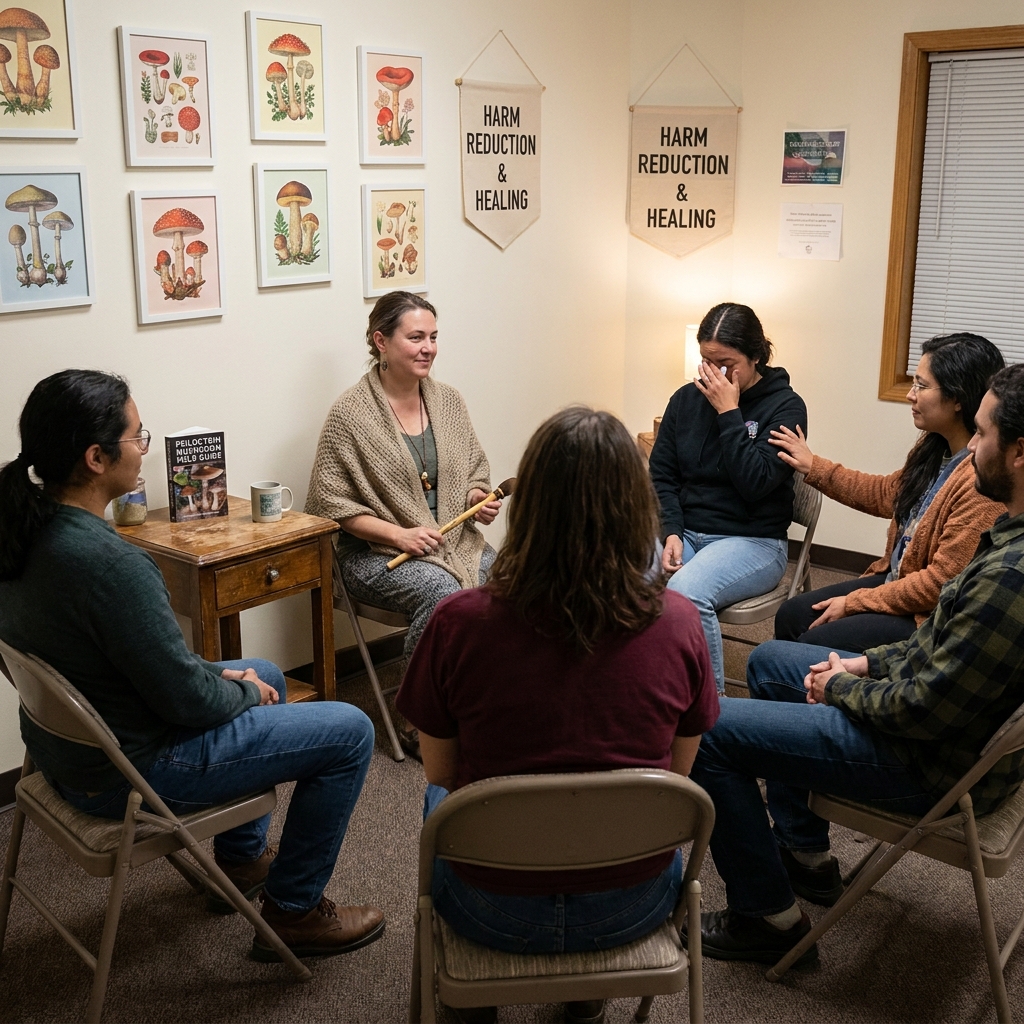
Some licensed providers offer group sessions, scholarships, nonprofit funds, payment plans, or sliding-scale slots. These are limited. Ask directly and early. Do not assume a provider's public price page shows every option.
Veterans may find specialized nonprofit pathways, but those programs also screen carefully and may use different substances or settings. See LearnShrooms' veterans guide and ask whether the program is legal, domestic or international, clinical or retreat-based, and what aftercare exists.
Cheap can become expensive fast
The lowest advertised price is not necessarily the lowest-risk option. A cheap retreat with poor screening can become expensive if you need emergency care abroad. A cheap online product can become expensive if it contains a misrepresented drug, triggers a medical event, or creates legal exposure. A cheap underground session can become expensive if there is no plan for panic, injury, transportation, or follow-up.
The hard question is not "What is the cheapest way?" It is "What is the safest lawful path I can actually afford?"
Buyer-beware cost signals
Pause if you see:
- guaranteed healing claims tied to a high-ticket package
- "limited spots" pressure before screening
- unclear refund rules
- bundled medical, spiritual, coaching, and product claims with no license explanation
- large deposits before you know whether you qualify
- no written total cost
- no emergency plan
- no medication screening
- "insurance covered" claims without exact billing codes and insurer confirmation
Equity is not optional
If psilocybin care remains available only to people who can self-pay, the system will miss many of the people most burdened by depression, trauma, addiction, and end-of-life distress. New Mexico's statute created an equity fund, and Oregon and Colorado providers continue experimenting with scholarships and lower-cost models. Those efforts matter, but they do not erase the reality that regulated psilocybin is still mostly self-pay in 2026.
Until insurance, public funding, nonprofit subsidies, or lower-cost delivery models mature, readers should treat affordability as part of informed consent. The cost of the session is only one part of the cost of being safe.