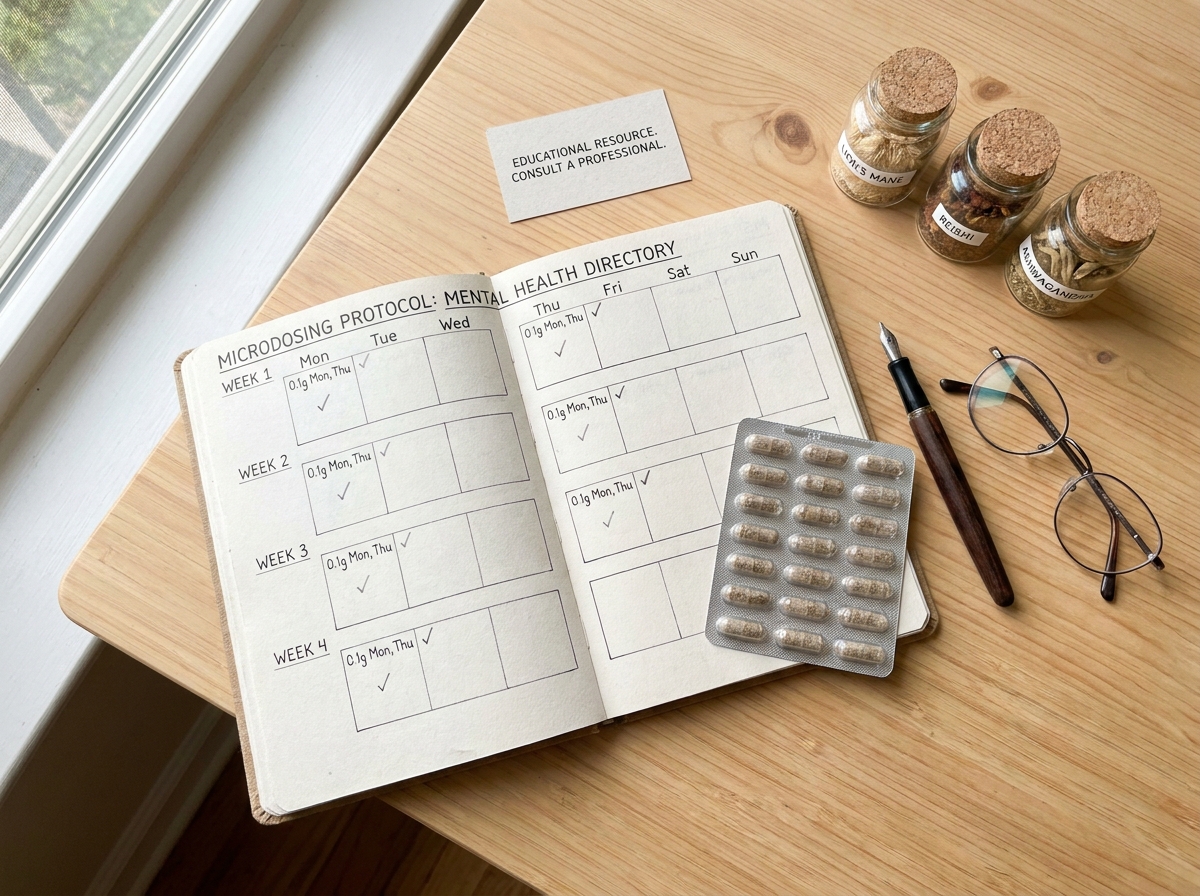
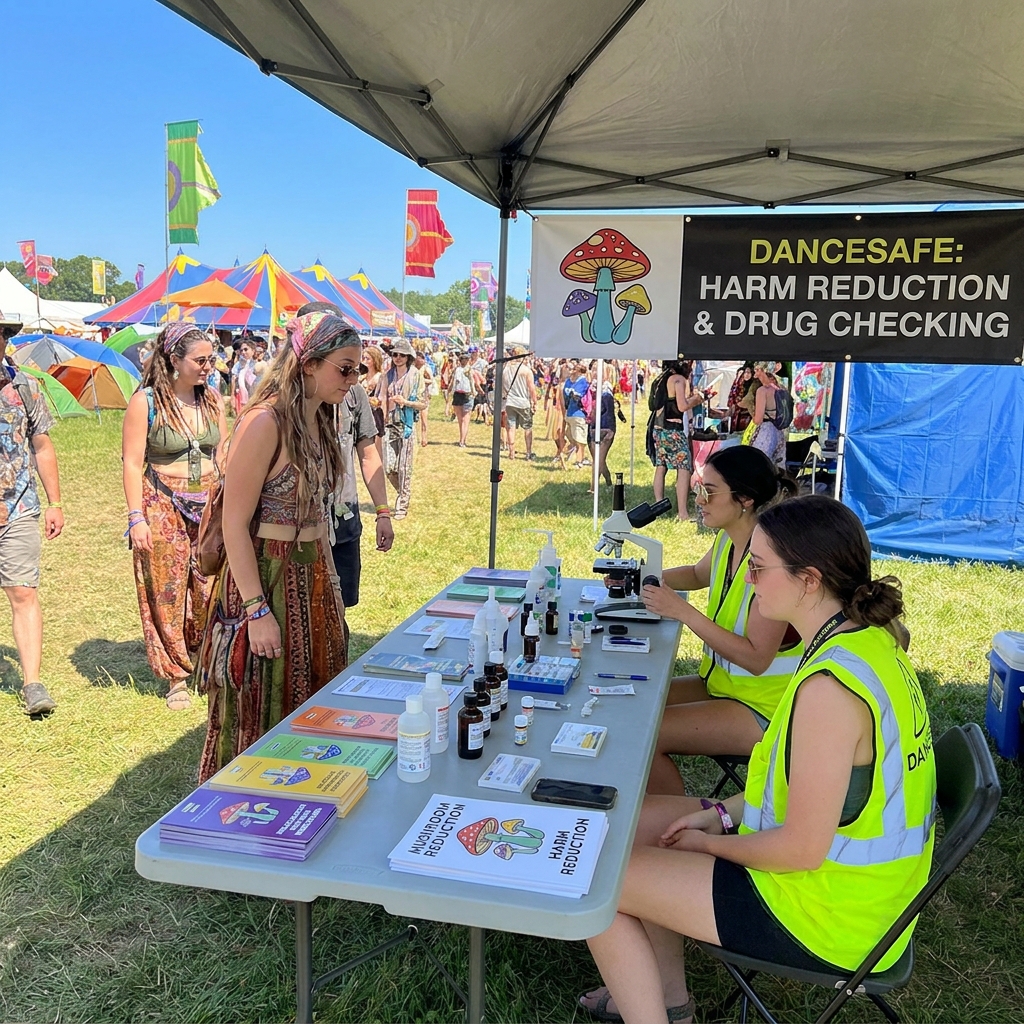
Amanita gummies are not "legal psilocybin"
Mushroom gummies and chocolate products often borrow the visual language of psilocybin culture while using very different ingredients. Some products contain no psilocybin at all. Some are marketed around Amanita muscaria, muscimol, ibotenic acid, "nootropic" blends, or vague proprietary mushroom extracts. Some have been linked to serious illnesses.
This is a buyer-beware guide. It does not recommend using Amanita products, psilocybin products, or unregulated mushroom edibles. It is educational harm-reduction information for people who are already seeing these products in smoke shops, gas stations, online stores, or social feeds.
For related LearnShrooms context, see Products, drug interactions, COA and label literacy, and crisis resources.
The Diamond Shruumz lesson
The FDA and CDC investigated serious illnesses linked to Diamond Shruumz-brand chocolate bars, cones, and gummies. CDC's outbreak report described 180 illnesses and three deaths across 34 states in 2024, with a range of serious symptoms reported. FDA also warned industry and consumers that Amanita muscaria and its constituents are not authorized for use as food ingredients and may present safety concerns.
The point is not that every mushroom gummy is the same. The point is that the category has already produced a large, well-documented public health warning. Treat casual "mushroom edible" branding as insufficient safety evidence.
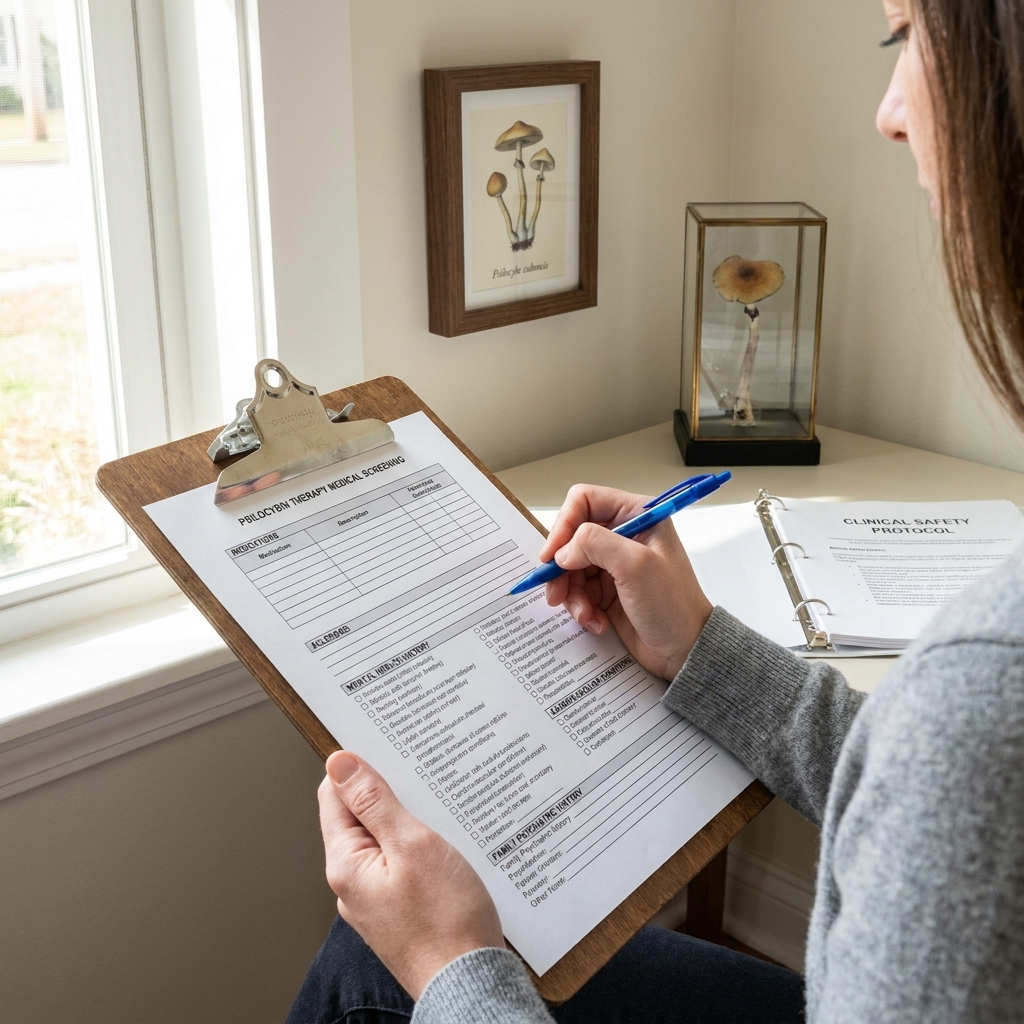
Amanita is pharmacologically different from psilocybin
Psilocybin mushrooms primarily involve psilocybin and psilocin activity at serotonin receptors. Amanita muscaria involves compounds such as muscimol and ibotenic acid, with very different effects and risks. It is misleading when products imply that Amanita gummies are simply a legal version of magic mushrooms.
Possible Amanita-related effects can include sedation, confusion, nausea, delirium-like experiences, loss of coordination, agitation, or unpredictable intensity. Product labels do not always reliably describe what is inside.
Label phrases that deserve skepticism
Be careful with:
- "legal magic mushroom" language
- cartoon branding or candy-like packaging
- "proprietary mushroom blend" with no exact ingredients
- "research-backed" without a cited study on that product
- QR codes that do not lead to batch-specific lab results
- lab reports that list only potency but not contaminants
- "psilocybin-free" next to psychedelic-effect claims
- "microdose" without a measured active ingredient
- "not for human consumption" on a product clearly packaged like food
- testimonials used as proof of safety
Good packaging is not quality control.
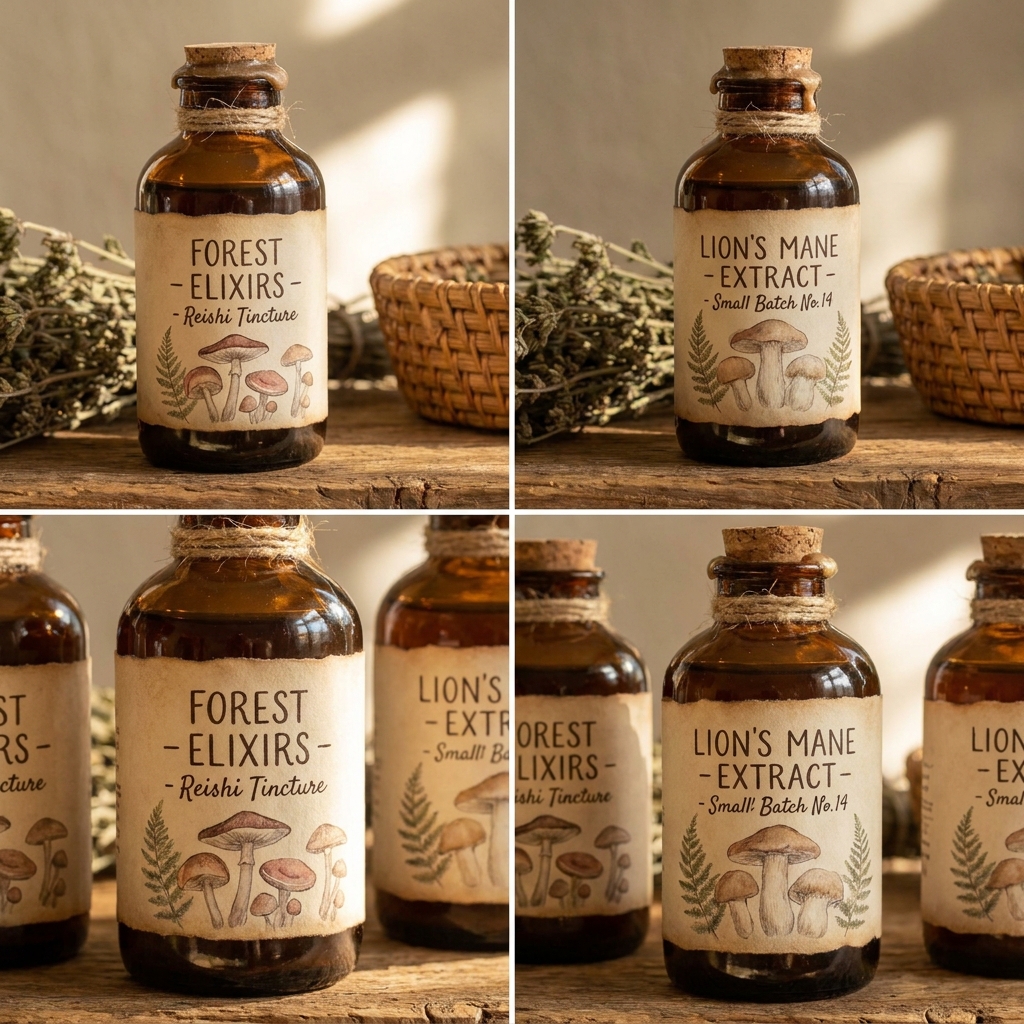
COA basics for mushroom edibles
A Certificate of Analysis is more useful when it is batch-specific, recent, from an independent lab, and matches the exact product, lot, and serving size. For a mushroom gummy, a useful COA should help answer:
- What active compounds were tested?
- Were muscimol, ibotenic acid, psilocybin, psilocin, synthetic cannabinoids, or other adulterants tested?
- Were heavy metals, pesticides, solvents, microbes, and mycotoxins tested?
- Does the serving size on the report match the label?
- Is the lab real and contactable?
- Is the report current?
Even a real COA does not make a product legal or medically appropriate. It only improves transparency.
When to avoid entirely
Avoid unregulated mushroom edibles if you are pregnant, taking lithium, taking multiple psychiatric medications, have a history of psychosis or mania, have seizure risk, have serious heart disease, are using alcohol or sedatives, are caring for children, need to drive, or cannot access help if effects become scary.
Do not mix with alcohol, benzodiazepines, opioids, sleep drugs, or other intoxicants. Do not give mushroom edibles to someone without informed consent. Do not trust a product because it is sold openly at a retail counter.

What to do if someone feels unwell
If someone develops severe confusion, repeated vomiting, seizure, chest pain, trouble breathing, loss of consciousness, dangerous agitation, suicidal behavior, or symptoms that feel medically serious, call emergency services or Poison Control. In the United States, Poison Control is 1-800-222-1222.
If the problem is a frightening psychological experience but the person is medically stable, peer support resources such as Fireside Project may help. But peer support is not emergency medical care.
Better questions before buying
Ask:
- What exact mushroom species and compounds are in this?
- Is this psilocybin, Amanita, functional mushrooms, or something else?
- Is there a batch-specific COA?
- Does the COA test for contaminants and adulterants?
- Is the product legal where I am?
- Could this interact with my medications?
- Who do I call if the effects become unsafe?
If those questions feel impossible to answer, that is the answer.