P. cubensis vs. Other Species: A Potency and Effects Comparison
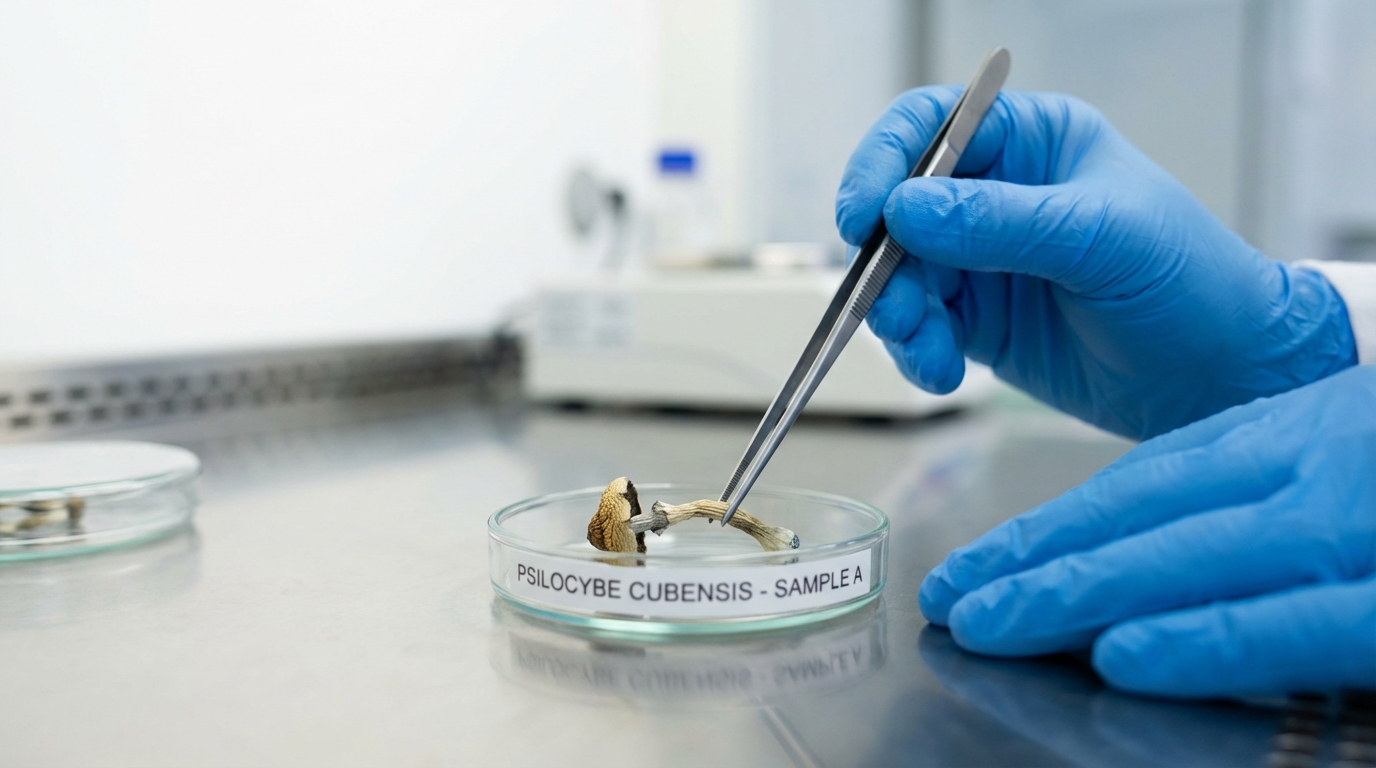
Psilocybe cubensis is the most widely recognized psilocybin-containing mushroom in the world. Its reputation as the "default" psychedelic mushroom is well-earned — it is easy to cultivate, broadly distributed in nature, and has been the subject of more anecdotal and scientific attention than any other psilocybin-producing species. But it is far from the only player in the field.
This guide compares P. cubensis against the other psilocybin-containing species that appear most frequently in scientific literature, harm-reduction contexts, and community discussions — with a focus on alkaloid content, potency ranges, and experiential character.
The Alkaloid Baseline: What We're Measuring
Psilocybin mushrooms contain varying ratios of several active alkaloids. The primary compounds are:
- Psilocybin: The main prodrug, inactive until converted to psilocin by the body's alkaline phosphatase enzymes.
- Psilocin: The active compound; responsible for the psychedelic experience. More potent by weight than psilocybin, but also less stable and more prone to oxidation.
- Baeocystin: A lesser-studied alkaloid present in small quantities in most psilocybin mushrooms. May contribute modestly to effects; some researchers hypothesize it modifies the character of the experience.
- Norbaeocystin: Present in smaller amounts; pharmacological activity in humans not well characterized.
- Aeruginascin: Found in some species, particularly Inocybe aeruginascens; may produce more euphoric effects via different receptor interactions.
Potency comparisons between species are complicated by high variability within species. Alkaloid content varies significantly by substrate, grow conditions, developmental stage at harvest (pins vs. fully open caps), drying methods, and individual strain genetics.

Psilocybe cubensis: The Reference Point
Typical alkaloid content: 0.37–0.90% psilocybin + psilocin by dry weight (average approximately 0.60–0.65% combined).
Potency range: Moderate. A 2–3.5g dried dose typically produces a full psychedelic experience for most people.
Characteristics: Warm, visual, broadly mood-lifting at moderate doses. The experience is often described as forgiving and accessible, with a gradual onset (45–90 minutes) and smooth arc. At high doses, profound ego dissolution is possible.
Cultivability: Extremely high. Colonizes grain, brown rice flour, and pasteurized straw reliably at room temperature. Does not require specialized conditions.
Strain variation: Within P. cubensis, strain genetics matter significantly. Isolates like Tidal Wave 2 and Penis Envy have tested at more than twice the alkaloid content of common commercial strains. These are still the same species, but the potency difference can be dramatic.
Psilocybe semilanceata (Liberty Caps)
Typical alkaloid content: 0.98–1.28% psilocybin + psilocin by dry weight — consistently higher than cubensis.
Potency range: High to very high. Dried liberty caps are roughly 1.5–2× as potent per gram as average cubensis.
Characteristics: The experience is often described as cleaner and more visual than cubensis, with a sharper onset. Many users report a more intense cognitive quality and less body load. Duration is comparable to cubensis (4–6 hours).
Cultivability: Very low. P. semilanceata is a grassland species that fruits only in specific ecosystems — typically damp, unfertilized pasture in temperate regions. It has not been successfully cultivated indoors. Wild harvest is the primary source.
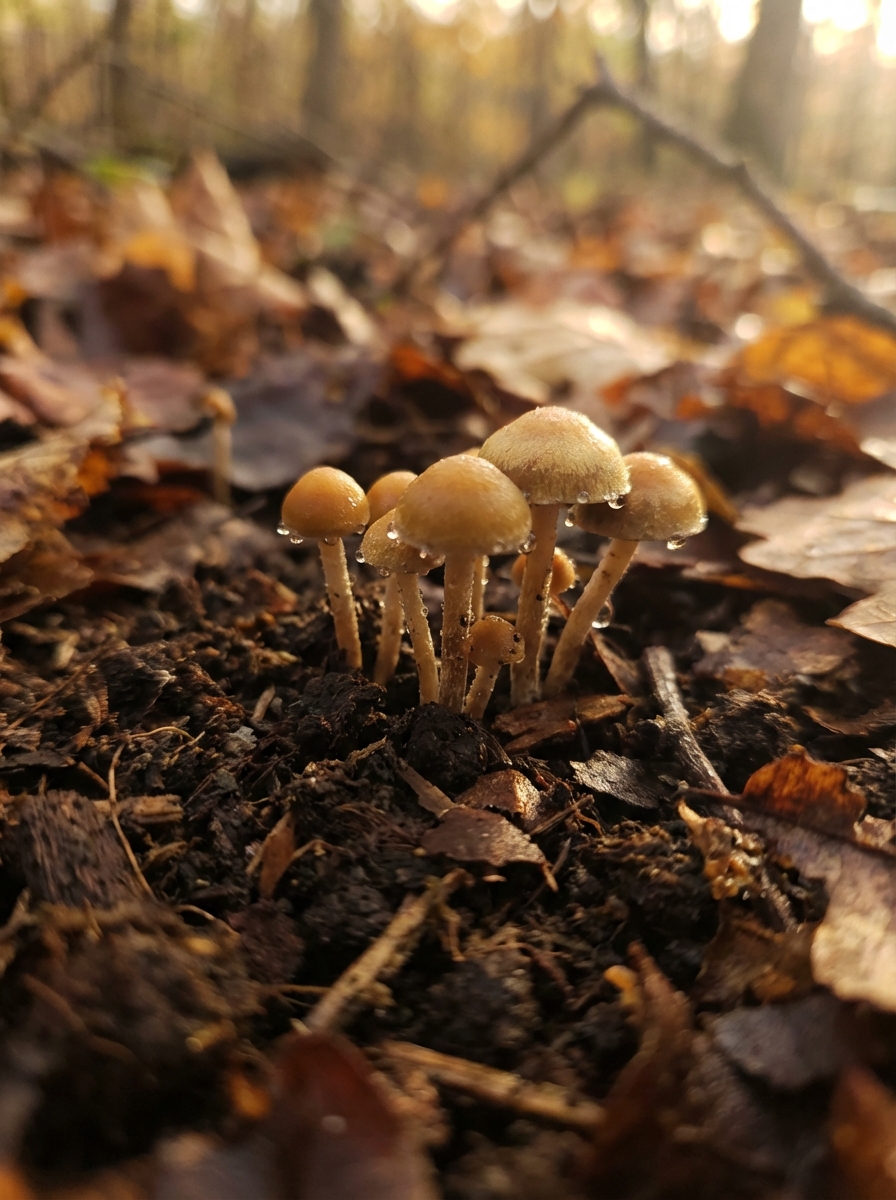
Safety note: Wild semilanceata harvest requires confident identification. The species has a distinctive sharp, papillate umbo (nipple-like point at the cap center) and a persistent blue bruising reaction. It can be confused with toxic grass-associated species; documentation and verification from experienced foragers is essential.
Psilocybe azurescens
Typical alkaloid content: 1.78% psilocybin, 0.38% psilocin, 0.35% baeocystin — the highest alkaloid concentrations documented in any naturally occurring Psilocybe species.
Potency range: Very high. Significantly more potent per gram than cubensis or semilanceata. Inexperienced dosing with azurescens is a common source of overwhelmingly intense unexpected experiences.
Characteristics: Known for unusually vivid and complex visuals, intense ego dissolution at moderate-to-high doses, and a higher incidence of "wood lover's paralysis" — a temporary, benign muscular weakness and inability to walk that is not fully explained pharmacologically but appears more common with wood-loving species like azurescens and cyanescens. Not dangerous, but disorienting.
Cultivability: Moderate difficulty. Azurescens is a wood-loving species, colonizing alder wood chips effectively outdoors in temperate climates. It cannot be cultivated easily indoors. Outdoor beds in Pacific Northwest-type climates have been successful.
Harm reduction note: Due to very high potency, doses should be reduced significantly compared to cubensis — often to 0.5–1g dried or less for a first experience.
Psilocybe cyanescens (Wavy Caps)
Typical alkaloid content: 0.85–1.68% psilocybin + psilocin — highly variable, but averaging higher than cubensis.
Potency range: High, with significant batch variability.
Characteristics: Often compared to azurescens in experience, though slightly milder. Wood lover's paralysis is also reported with cyanescens, though at lower frequency. Strong visuals and deep introspective quality.
Cultivability: Possible outdoors on wood chip beds in the right climate zone (temperate, humid). Not easily cultivated indoors.
Panaeolus cyanescens (Blue Meanies)
Typical alkaloid content: 0.17–0.95% psilocybin + psilocin, with psilocin often making up a higher proportion than in Psilocybe species, plus baeocystin. Aeruginascin is absent.
Potency range: Variable but often higher effective potency than the numbers suggest, possibly due to the higher psilocin fraction (which acts faster and more intensely before metabolism).
Characteristics: Often described as more stimulating, energetic, and faster-onset than cubensis. Some users report a cleaner, more cerebral quality. The psilocin-forward alkaloid profile contributes to a sharper peak.
Cultivability: Panaeolus cyanescens is cultivated successfully on pasteurized manure or straw substrates, though it is more temperamental than cubensis. Colonization is slower and contamination pressure is higher.
Identification note: Panaeolus cyanescens strongly resembles non-psychoactive Panaeolus species. Misidentification within the genus is possible; a spore print (black/dark grey) and bruising test are necessary.
Psilocybe tampanensis (Philosopher's Stones / Truffles)
Typical alkaloid content: 0.19–0.68% psilocybin + psilocin in the sclerotia (truffles); cap tissue is higher.
Potency range: Moderate, roughly comparable to cubensis on a per-gram basis.
Characteristics: The sclerotia (underground storage bodies sold legally in the Netherlands) are the part most commonly consumed. Effects are generally described as milder and more manageable than cubensis at equivalent doses, possibly due to the moisture content and alkaloid distribution in the truffle tissue.
Legal context: P. tampanensis sclerotia ("magic truffles") remain legal in the Netherlands and are available from licensed smart shops. This makes them the most accessible legal psilocybin product in Europe for many people.
Comparative Potency Table (Approximate)
| Species | Avg. Combined Alkaloids (% dry weight) | Relative Potency vs. cubensis | |---|---|---| | P. cubensis | 0.60–0.65% | 1× (reference) | | P. semilanceata | 1.00–1.28% | ~1.5–2× | | P. cyanescens | 0.85–1.68% | ~1.5–2.5× | | P. azurescens | ~2.10–2.50% | ~3–4× | | P. tampanensis (sclerotia) | 0.19–0.68% | ~0.5–1× | | Panaeolus cyanescens | 0.17–0.95% | Variable; faster acting |
Practical Implications for Harm Reduction
Species identification before consumption is non-negotiable. Misidentifying a high-potency species as cubensis, or consuming a toxic lookalike, are both real risks.
Key harm-reduction principles across species:
- Start low, go slow: This applies especially to species more potent than cubensis. Reduce starting dose significantly for species you have not used before.
- Test your material: Reagent testing (Ehrlich test) confirms the presence of indoles. It does not confirm species, but confirms psychoactive content and helps rule out common adulterants.
- Know your source: Cultivated material from a known grower provides more consistency than wild harvest. Wild-harvested material requires skilled identification from a trained forager.
- Account for batch variability: Even within a species and a single cultivation run, potency can vary significantly between flushes and grow positions.
The variety of psilocybin-containing species reflects the rich mycological diversity of the fungal kingdom. Understanding that diversity — rather than defaulting to assumptions based on cubensis experience — is part of a mature, informed approach to psychedelic harm reduction.