
What the NYU Alcohol Trial Was Designed to Test
Alcohol use disorder (AUD) kills approximately 95,000 Americans each year and remains one of the most treatment-resistant conditions in psychiatry. Standard interventions — naltrexone, acamprosate, cognitive behavioral therapy — produce modest results, and relapse rates remain high at twelve months. Against that backdrop, NYU Langone launched one of the first rigorous randomized controlled trials testing whether psilocybin could reduce heavy drinking in people with AUD.
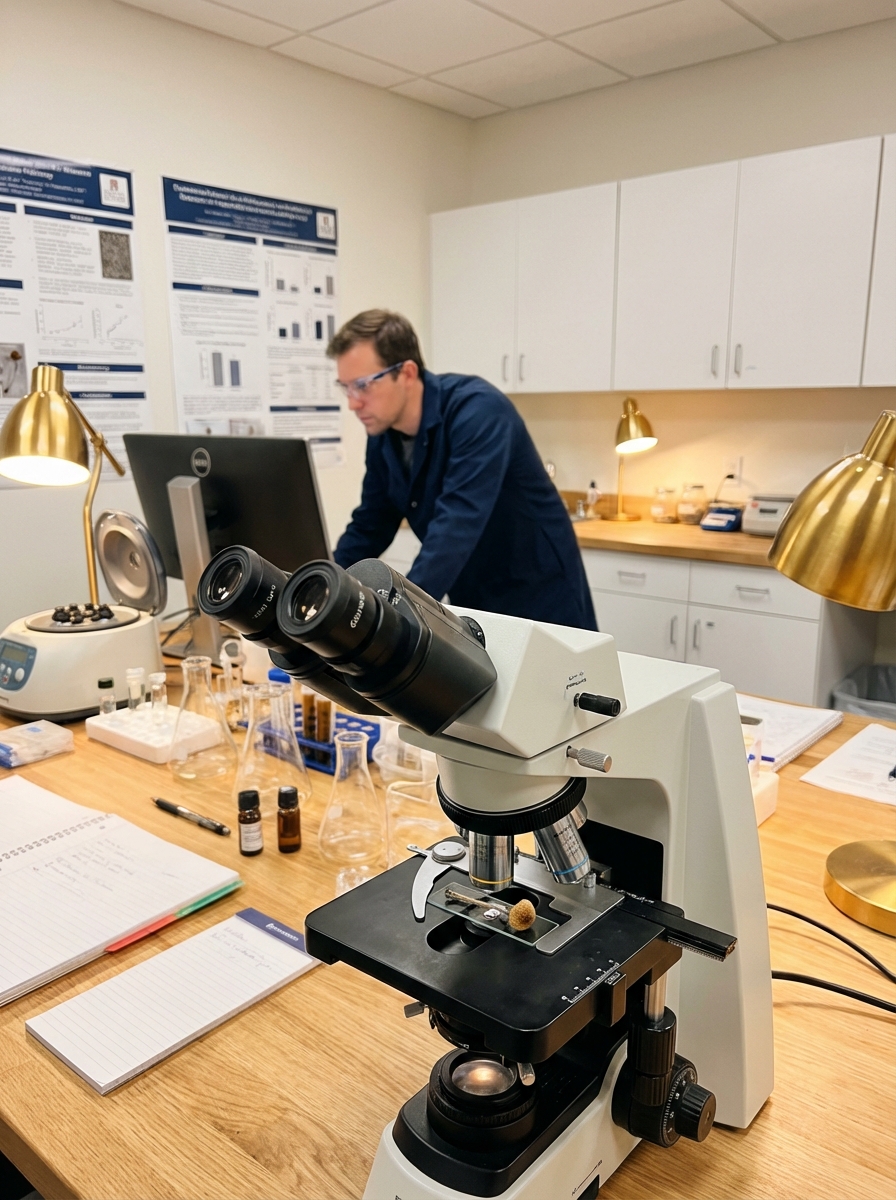
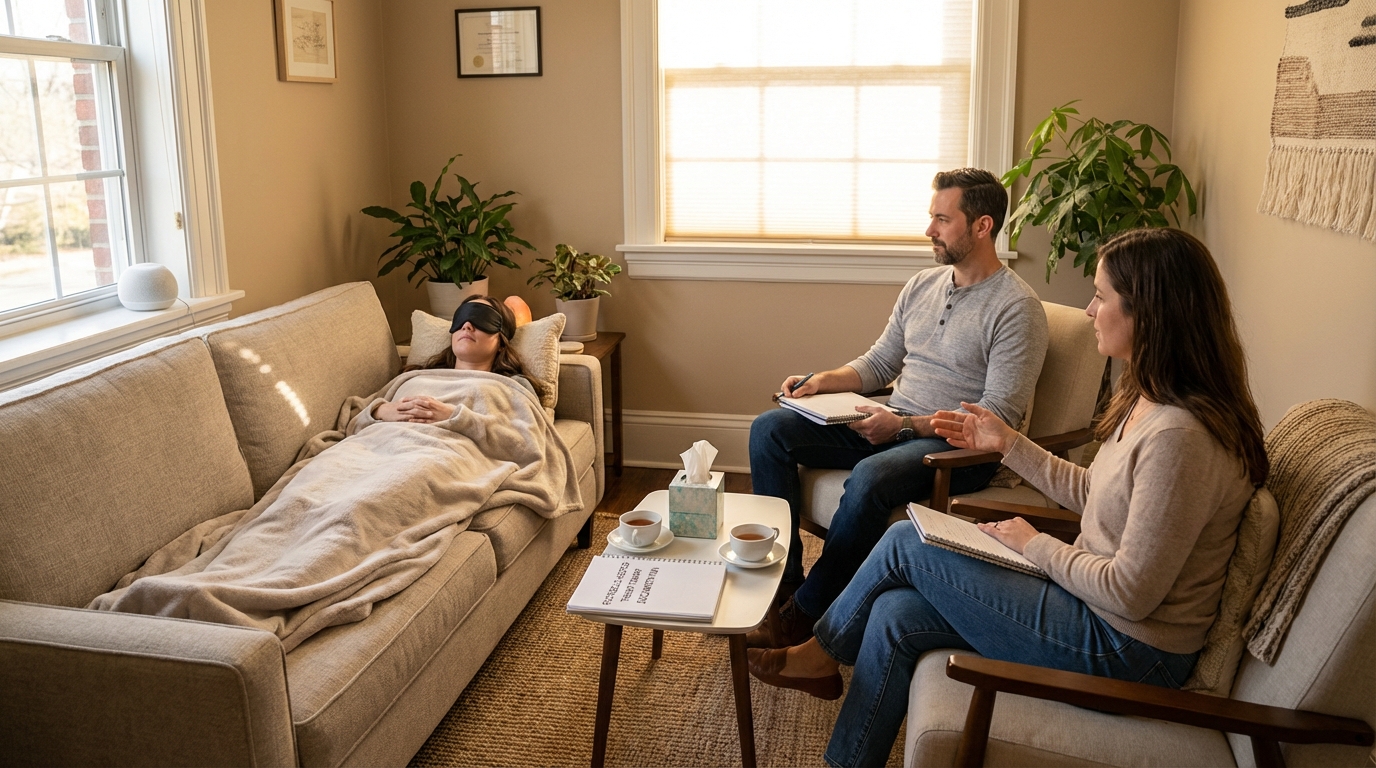
The Phase 2 trial, led by Dr. Michael Bogenschutz, enrolled 93 adults with AUD. Participants were randomized to receive either two doses of psilocybin (25 mg/70 kg) or a diphenhydramine placebo — an antihistamine chosen because it produces mild sedation without psychedelic effects, making blind maintenance more plausible. Both groups received twelve sessions of motivational enhancement therapy alongside the medication.
The Primary Outcome: Percent Heavy Drinking Days
The trial's primary outcome was the percentage of heavy drinking days in the 32-week period following the first medication session. A heavy drinking day is defined as five or more drinks for men, four or more for women.
The psilocybin group showed a 59.2 percent reduction in heavy drinking days compared to baseline. The placebo group reduced by 22.8 percent. That is a 36-point difference — large by any standard in addiction medicine. At eight months, 48 percent of psilocybin participants reported complete abstinence, versus 24 percent in the placebo group.
Secondary outcomes showed parallel improvements: total drinks per week, peak drinking intensity, and self-reported craving all moved in the same direction. Crucially, the effect was durable — the gap between groups did not close meaningfully at the eight-month follow-up, suggesting the change was not merely an acute effect of the drug day.
Why Psilocybin Might Work for Alcohol
The mechanism is not fully established, but several pathways are plausible. Psilocybin suppresses activity in the default mode network — the brain region associated with habitual self-referential thinking, rumination, and the mental loops that underlie addiction. It also appears to produce neuroplasticity at the synaptic level, potentially loosening the grip of conditioned behavioral responses.
The mystical or peak experience component also matters. In the NYU trial, the intensity of the psilocybin experience — measured by the Mystical Experience Questionnaire — correlated with drinking outcomes at follow-up. Participants who reported greater psychological insight during their sessions tended to show larger reductions in alcohol use. This mirrors findings from the Johns Hopkins smoking cessation work, where mystical experience scores predicted abstinence at six and twelve months.
Researchers also point to motivational shifts. Many participants described a fundamental reappraisal of their relationship with alcohol — not a craving suppression, but a qualitative change in how they perceived drinking as part of their identity. This kind of value-level change is difficult to achieve through talk therapy alone.
What the Trial Could Not Establish
Phase 2 trials are designed to test whether a treatment shows enough promise to advance — not to definitively prove efficacy. Several limitations apply. The sample was predominantly white and college-educated, which limits generalizability. Blinding was imperfect: most participants correctly guessed whether they received psilocybin. This introduces expectancy effects that are difficult to disentangle from pharmacological action.
The trial was not powered to detect differences in long-term sobriety beyond eight months. Whether benefits persist at one or two years remains an open question. A Phase 3 trial with a larger and more diverse sample is needed before psilocybin could be considered a standard treatment.
Adverse events were generally mild — anxiety, headache, nausea on drug days — and no serious adverse events were attributed to psilocybin. One participant experienced a brief period of elevated blood pressure that resolved without intervention.
What Comes After the NYU Trial
NYU's results were published in JAMA Psychiatry in 2022 and have been widely cited as among the most rigorous evidence yet for psychedelic-assisted therapy in addiction. The Bogenschutz team is now involved in expanded follow-up research examining longer-term durability and mechanisms.
Several Phase 3 trials for psilocybin and AUD are in the planning or early enrollment stage as of 2026. MAPS and MAPS PBC have expressed interest, and academic centers at UCSF, Imperial College London, and the University of New Mexico are conducting related work. FDA Breakthrough Therapy designation for psilocybin in AUD would accelerate this pipeline — as of this writing, no such designation has been granted for alcohol specifically, though COMPASS Pathways holds Breakthrough Therapy status for treatment-resistant depression.
Accessing Research in 2026
If you or someone you know struggles with alcohol use disorder and is interested in psilocybin-assisted therapy, the most accessible current pathway is through a clinical trial. ClinicalTrials.gov lists active trials enrolling participants with AUD; several offer the treatment at no cost with travel reimbursement. Oregon's licensed psilocybin program permits adult use for any purpose, though it is not a clinical treatment context. Jamaica and the Netherlands offer retreat-based options outside the US regulatory framework.
Standard harm-reduction advice applies: psilocybin is not appropriate for people with personal or family histories of psychosis, bipolar I disorder, or certain cardiac conditions. Consulting a physician before any psilocybin use is strongly recommended.