Psilocybin and Alcohol: Why Mixing Is a Bad Idea
Combining psilocybin and alcohol is inadvisable — not because the combination is immediately lethal (it isn't) but because alcohol degrades the psilocybin experience in multiple ways, increases risks, and undermines the therapeutic and harm reduction considerations that make psilocybin use safer. This guide explains the pharmacological reasons and practical risks.
What Alcohol Does During a Psilocybin Experience
Blunts effects unpredictably: Alcohol has complex interactions with serotonergic systems. While not directly blocking 5-HT2A receptors (psilocybin's primary target), alcohol's general CNS depression can dampen the psilocybin experience — or interact unpredictably, sometimes intensifying certain aspects while numbing others. This unpredictability itself is a problem.
Reduces neuroplasticity: One of psilocybin's most clinically valuable properties is the neuroplasticity window it opens. Alcohol reduces BDNF (Brain-Derived Neurotrophic Factor) and impairs synaptic plasticity — directly working against psilocybin's neuroplasticity effects. If you're using psilocybin for therapeutic purposes, alcohol undermines the mechanism.
Increases nausea: Both alcohol and psilocybin can cause nausea independently. Combined, nausea is significantly more likely and can be more severe.
Impairs judgment: Alcohol impairs judgment and impulse control. During a psilocybin experience where normal cognitive scaffolding is already altered, adding alcohol significantly increases the risk of poor decisions, wandering, falling, or other behavioral risks.
Disrupts emotional processing: The therapeutic potential of psilocybin involves deep emotional processing. Alcohol numbs emotional content — the opposite of what is needed for therapeutic work.
Alcohol Before a Session: How Long to Abstain
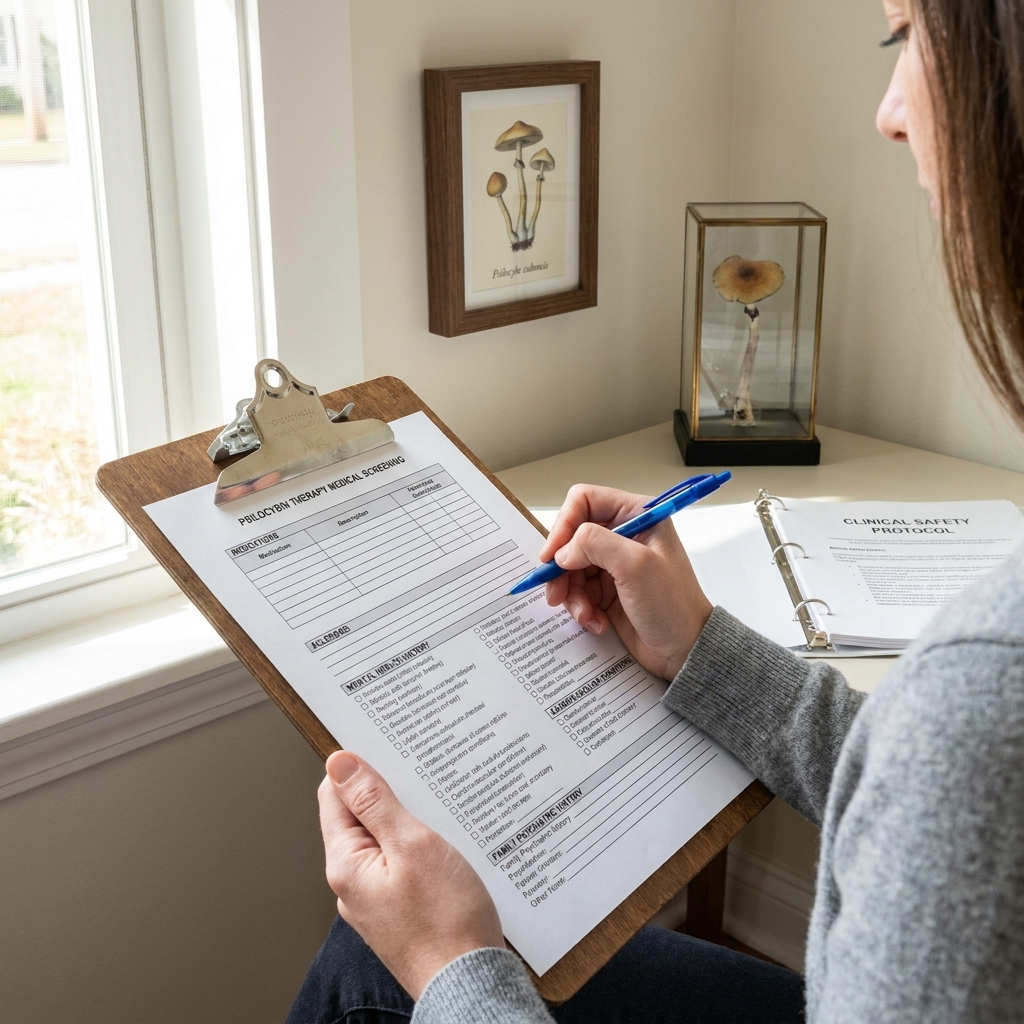
Standard harm reduction recommendations and clinical protocol standards:
Minimum: No alcohol for 24 hours before a psilocybin session. Alcohol's effects on GABA and serotonin systems can persist and alter psilocybin response even after subjective impairment has resolved.
Recommended: 48-72 hours before a session. This allows complete clearing and normalization of serotonergic and GABA systems.
Ideal: 1 week of abstinence. For people with regular alcohol use, a full week allows receptor sensitivity to normalize and body physiology to stabilize.
For heavy or chronic drinkers: Alcohol dependence changes serotonin system functioning in ways that persist well beyond 24-72 hours. Anyone with significant alcohol use disorder should discuss psilocybin with a physician, as their serotonergic baseline may be significantly altered.
Alcohol After a Session: The Plasticity Window
The post-session period is when psilocybin's neuroplasticity effects are most active. Alcohol during this window:
- Reduces BDNF, counteracting psilocybin's neuroplasticity promotion
- Impairs sleep architecture (REM disruption compounds psilocybin's own post-session REM changes)
- May impair memory consolidation of session insights
Recommendation: No alcohol for 48-72 hours after a session minimum. Many practitioners recommend 1-2 weeks of abstinence after a session to fully protect the integration window.
The Specific Concern for Microdosing
For those on microdosing protocols, alcohol interacts with the practice in several ways:
Dose day: Alcohol on a dose day significantly blunts potential effects and introduces unpredictable pharmacology. Avoid alcohol entirely on dose days.
Rest days: Alcohol on rest days affects serotonin system function that carries over to dose days. Regular alcohol use while microdosing reduces the effectiveness of the protocol.
Sleep: Alcohol disrupts REM sleep. Microdosing protocols already interact with sleep architecture — adding alcohol compounds this.
The Night Before Doesn't Count
A common rationalization: "I just had a couple drinks last night, that's fine." For casual social drinking the night before an occasional psilocybin session, this is not a critical concern. For therapeutic sessions where you want maximum effect and minimum complication, it is worth the discipline to follow the 48-72 hour abstinence window.
For clinical research participants, alcohol abstinence windows are required and enforced — this is not arbitrary. The research protocols exist because the interaction matters.

Harm Reduction If Combination Occurs
If someone has combined psilocybin and alcohol:
- Stay with a sober sitter: The behavioral risk from the combination is higher than either substance alone
- Stay in a safe, familiar environment: Do not drive, walk in traffic, or access heights
- Monitor for distress: Check in regularly; have emergency resources available
- Fireside Project (62-FIRESIDE): Free peer support if needed