Ibogaine vs. Psilocybin: How Are They Different and When Does Each Apply?
Ibogaine and psilocybin are both psychedelic substances with documented therapeutic potential — both appearing in the same policy conversations, the same veteran treatment discussions, and often the same breath. But they are fundamentally different compounds with different mechanisms, different risk profiles, different legal statuses, and different clinical evidence bases. Understanding these differences helps clarify which substance is relevant for which situation.
The Basic Chemistry
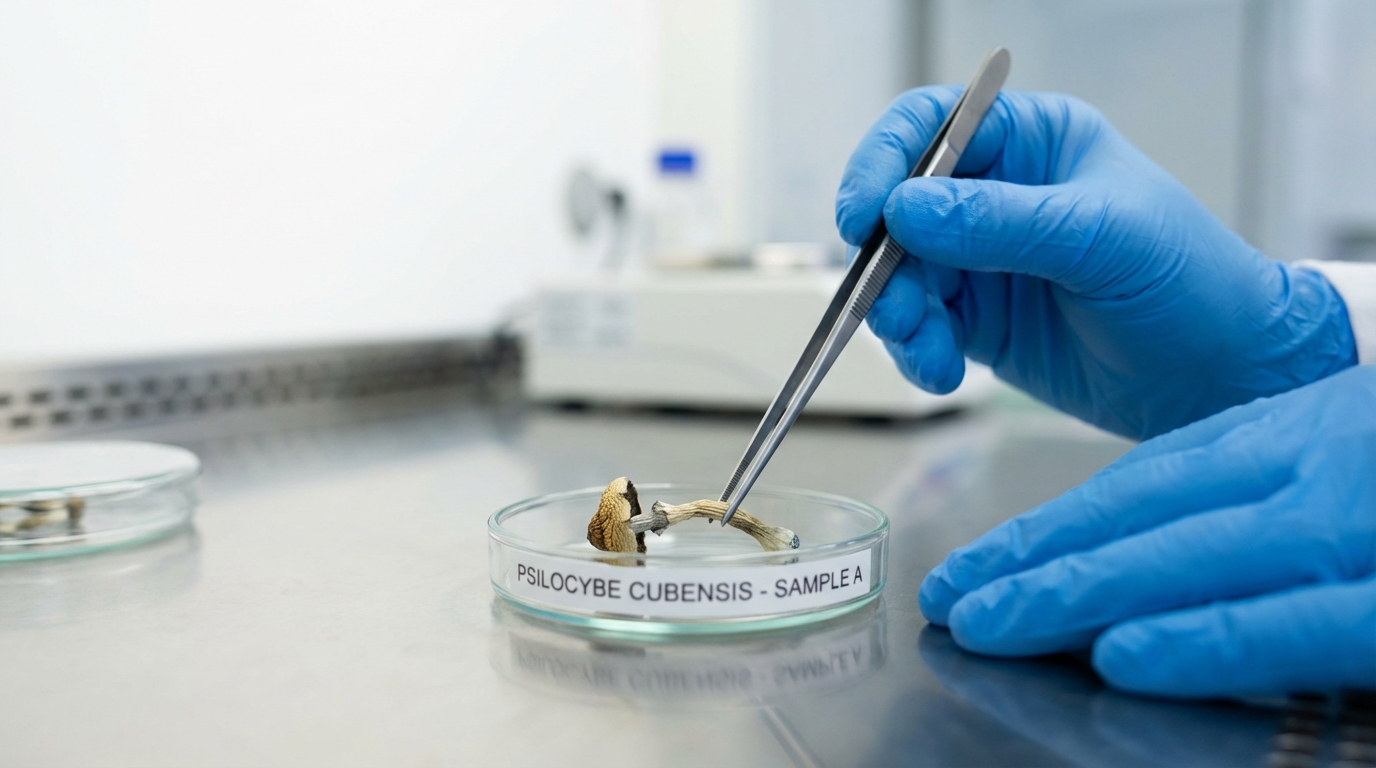
Psilocybin is a prodrug — the body converts it to psilocin, which acts primarily as a 5-HT2A receptor agonist (serotonin receptor agonist). It's naturally occurring in dozens of mushroom species and easily synthesized. Duration: 4–6 hours. Risk profile: physiologically very safe; no known lethal dose; primary risks are psychological.
Ibogaine is an indole alkaloid from the root bark of the Tabernanthe iboga plant. Its mechanism is substantially more complex — it acts on multiple receptor systems including opioid, NMDA, sigma, and serotonin receptors. Duration: 12–36 hours. Risk profile: includes serious cardiac risk (QT interval prolongation) that requires cardiac monitoring and screening. There have been fatalities in inadequately monitored ibogaine settings.
Legal Status (US, 2026)
Both are Schedule I controlled substances federally. Neither is approved by the FDA.
Psilocybin has state-level legal frameworks in Oregon (licensed service centers) and Colorado (licensed healing centers). Multiple states have decriminalized possession.
Ibogaine has no state legal framework for therapeutic use in the US. All clinical research is conducted abroad (primarily Mexico, with VA-affiliated researchers traveling to partner clinics) or through rigorous IRB-approved protocols. The $100 million veteran psychedelic therapy funding from the April 2026 executive order includes ibogaine research explicitly.
The Evidence Base
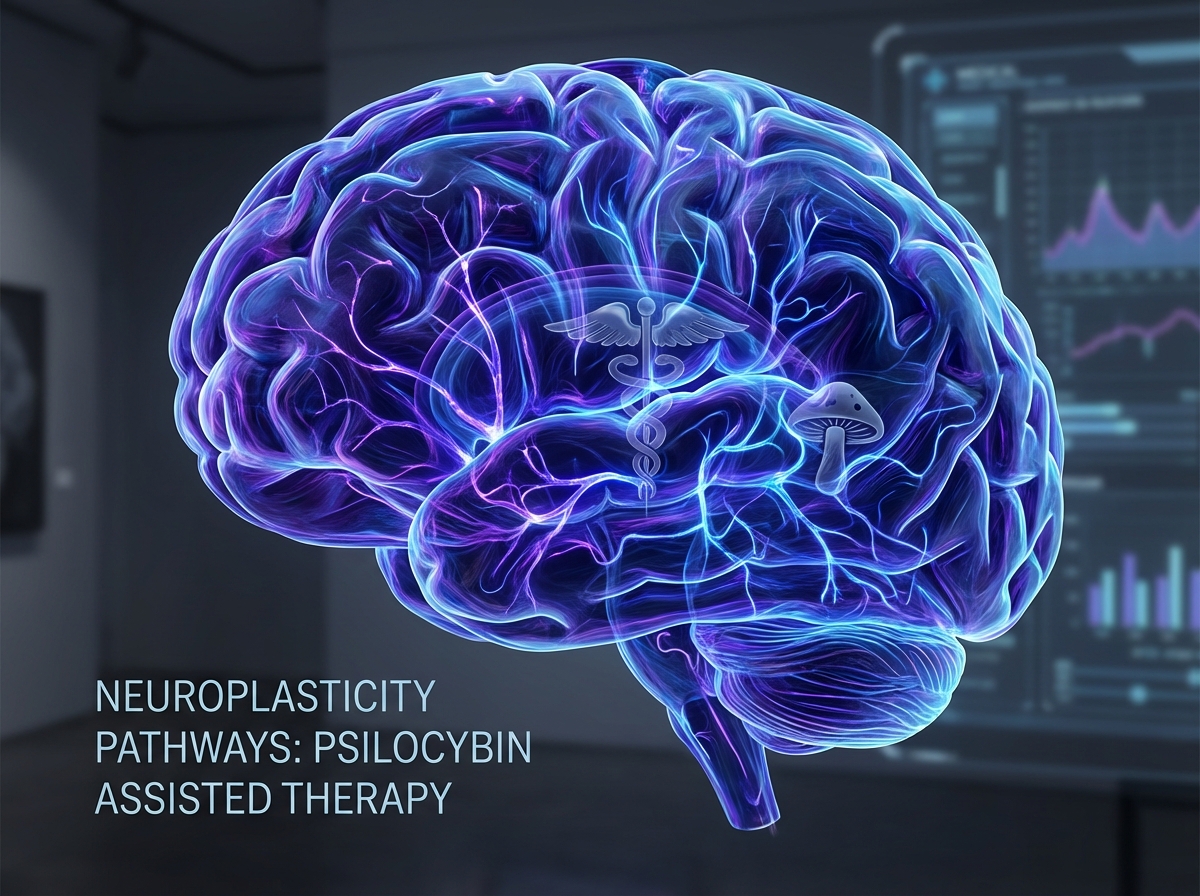
Psilocybin — Stronger Overall Clinical Evidence
| Condition | Status | |---|---| | Treatment-resistant depression | Phase 3 data (COMPASS), multiple Phase 2 RCTs | | Major depressive disorder | Phase 2 RCTs (Johns Hopkins, COMPASS) | | Tobacco addiction | Phase 2 — 80% abstinence at 6 months (Hopkins) | | Alcohol use disorder | Phase 2 RCT — 83% reduction in heavy drinking (NYU) | | Cancer anxiety / end-of-life | Phase 2 — NYU, Hopkins | | PTSD | Phase 2 (UCSF, ongoing) | | OCD | Phase 2 (Yale, ongoing) | | Anorexia nervosa | Early Phase 2 (Imperial, UCSD) |
Ibogaine — Specialized Evidence, Especially for Opioids and Veterans
| Condition | Status | |---|---| | Opioid use disorder | Strong observational and case series data; small controlled studies | | PTSD + TBI in veterans | Stanford Nature Medicine 2024 (n=30, remarkable results) | | Alcohol use disorder | Observational data, limited controlled studies | | Depression comorbidity | Often studied alongside primary indication |
The Stanford veteran study is the landmark ibogaine data point: 30 US Special Operations Forces veterans with PTSD, traumatic brain injury, and major depression received ibogaine at a licensed clinic in Mexico with cardiac monitoring. Results: 88% improvement in disability ratings, 87% reduction in PTSD symptoms, 46% reduction in suicidal ideation at follow-up. No serious adverse events with proper cardiac screening.
These numbers are among the most dramatic in the psychedelic therapy literature. The study is small and uncontrolled — but the magnitude is striking.
When Each Might Apply
Choose Psilocybin When:
- Treating depression (MDD or TRD) — the evidence base is substantially larger
- Treating alcohol or tobacco addiction — specific trial evidence exists
- Seeking legal, supervised access (Oregon/Colorado service centers)
- Managing cancer anxiety or end-of-life existential distress
- Pursuing clinical trial enrollment — many more options available
- The person has cardiac history or QT concerns (psilocybin is much safer here)
Consider Ibogaine When:
- Opioid use disorder is the primary concern — ibogaine has the most direct evidence
- The person is a veteran with PTSD + TBI — the Stanford data specifically addresses this population
- Severe, treatment-resistant PTSD where psilocybin hasn't worked
- Duration is a consideration — the 12-36 hour ibogaine experience produces more thorough "reset" in some models
- Access to proper cardiac monitoring and supervised ibogaine clinic (Mexico, other international)
When Neither Is Clear-Cut:
- Severe opioid dependence with active use: medical stabilization (buprenorphine, methadone, naltrexone) must come first regardless
- Active cardiac disease: ibogaine is contraindicated; proceed with caution on psilocybin
- Psychosis risk or personal/family history of schizophrenia: both are contraindicated
The Veteran Context
The April 2026 executive order directing $100 million to veteran psychedelic therapy research specifically names both psilocybin and ibogaine. This is significant because:
- Veteran PTSD data for ibogaine (Stanford 2024) is actually stronger than psilocybin-specific veteran PTSD data
- TBI is common in combat veterans — ibogaine has been specifically studied in TBI+PTSD comorbidity
- The VA research that will be enabled by the executive order is expected to include both substances
Veterans exploring this landscape should look at both evidence bases rather than assuming psilocybin is automatically the right fit.
Heroic Hearts Project (heroichearts.org) connects veterans with both psilocybin and ibogaine treatment options and is the most direct resource for veteran access guidance.
Risk Comparison
| Factor | Psilocybin | Ibogaine | |---|---|---| | Duration | 4–6 hours | 12–36 hours | | Cardiac risk | Very low | Significant — QT prolongation, arrhythmia | | Screening required | Psychiatric | Cardiac + psychiatric | | Fatalities in supervised settings | Extremely rare | Rare but reported (cardiac) | | Fatalities in unsupervised settings | Rare | More significant — cardiac monitoring critical | | Legal access | OR/CO service centers | Mexico, other international | | Trial availability (US) | Multiple open trials | Few domestic; VA-international partnerships |
Bottom line on safety: Psilocybin is physiologically safer. Ibogaine requires cardiac screening and monitoring; unsupervised ibogaine use carries real mortality risk. Both require psychological screening and appropriate support.
Resources
- Heroic Hearts Project — heroichearts.org — veteran access to both substances
- ClinicalTrials.gov — search psilocybin or ibogaine for current trials
- MAPS — maps.org — MDMA and psilocybin research (note: MDMA is different from both)
- Fireside Project — 623-473-7433 — psychedelic peer support
- Psychedelic Alpha — psychedelicalpha.com — regulatory and access news