How to Plan a Psilocybin Ceremony: A Practical Preparation Guide
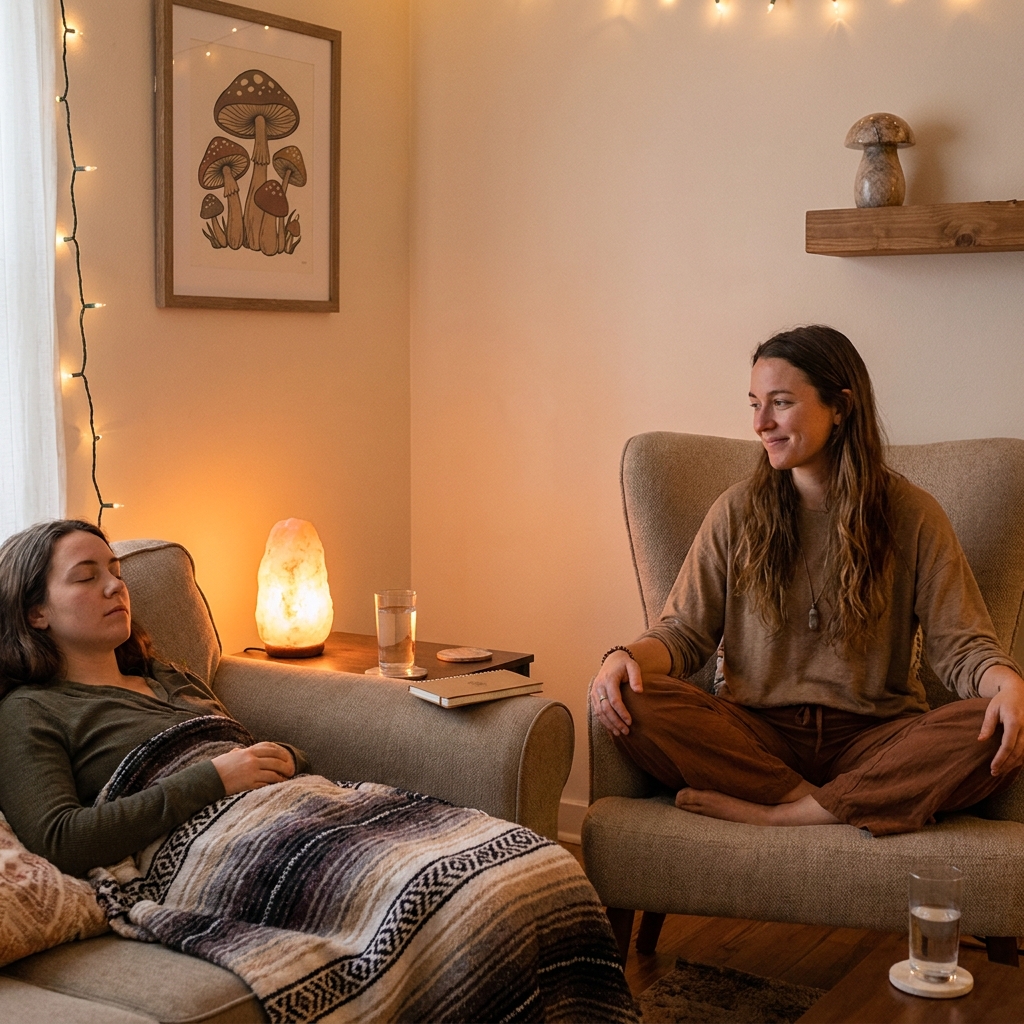
The word "ceremony" describes a deliberate container for intentional experience — a set of conditions, practices, and agreements that shape the quality and safety of a psilocybin session. It does not require spiritual belief. It requires preparation.
This is the condensed practical version. For the full guide including detailed integration practices, see Psilocybin Ceremony Planning.
Why Preparation Matters
Research from Johns Hopkins, Imperial College, and MAPS consistently shows that set (mindset) and setting (environment) are stronger predictors of psilocybin outcome than dose alone. The clinical protocols that produce the most reliable therapeutic results — MAPS's MDMA protocol, Hopkins's psilocybin-for-depression protocol — are essentially structured ceremonies with explicit attention to each element.
The "medicine" is not just the psilocybin. It's the full preparation.

Before the Session (1–2 Weeks)
Set Your Intention
An intention is not a goal. A goal is outcome-focused ("I want to stop being anxious"). An intention is orientation-focused ("I'm bringing openness to what needs to surface").
Write your intention. Read it aloud before taking the medicine. Stating it creates conscious access to what you're carrying — which research suggests improves how the session unfolds.
Physical Preparation
- Eat lightly on session day
- Avoid alcohol 48 hours before, cannabis 48 hours before
- If on SSRIs: they significantly blunt psilocybin effects and require a medically supervised taper to reduce. Do not stop abruptly. Fluoxetine requires 5+ week washout. Discuss with your prescriber.
- Sleep the night before — fatigue destabilizes experience
Choose Your Support Context
Solo: Appropriate only for experienced practitioners (5+ prior moderate-to-high dose sessions) in a fully controlled, private environment. The Fireside Project (623-473-7433) should be in your phone.
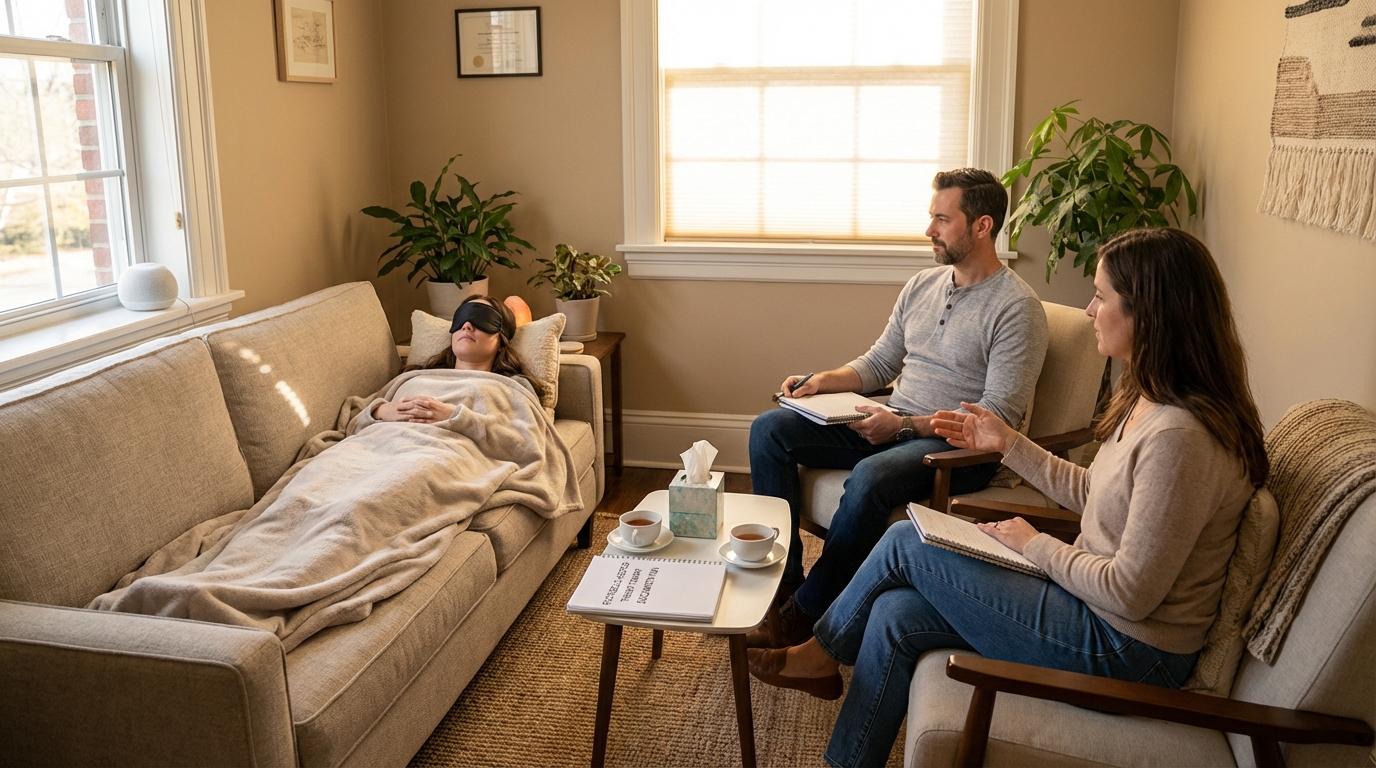
Sitter: A trusted person who will be physically present throughout. Not a therapist role — their job is calm presence, not guidance. Should be someone who won't panic if you cry or navigate difficult territory.
Facilitator or guide: A trained person who can help navigate difficult material and support integration. In Oregon and Colorado, licensed facilitators are available through legal service centers.
The Space
- Private, interruption-free
- Comfortable temperature — you may feel cold at peak
- Able to go dark — eye shades work; full blackout curtains are better
- Comfortable nest — bed or cushions with blankets
- Bucket within reach — nausea is common in the first hour
- Water accessible — you'll need it at peak
- Music ready — pre-curated, covering 4-5 hours minimum. Do not improvise
Music is doing substantial therapeutic work. The Hopkins and MAPS protocols use curated playlists specifically selected for navigating different phases of the experience. Psychedelics Today and Wavepaths have research-informed playlists available. Prepare yours the day before.
Dosage
| Experience level | Dried mushrooms | Synthetic | |---|---|---| | Exploratory / first ceremony | 1.5–2g | 10–15mg | | Moderate intentional work | 2.5–3.5g | 20–25mg | | Deep / full-dose ceremonial | 3.5–5g | 25–35mg |
Lemon tekking (soaking ground mushrooms in citric acid 15 minutes before consuming) accelerates onset and increases intensity. Use with lower base doses if experimenting with this method.
Start lower than you think you need with any new batch or strain.
During the Experience
The First Hour
Onset begins 20–60 minutes after ingestion. You may feel warmth, tingling, emotional swells, or nausea. Lie down, put on eye shades, let the music carry you.
If anxiety arises: Slow abdominal breathing (4 in, hold 4, 8 out). Remind yourself: "I'm safe. This will pass." Do not fight the experience. Resistance amplifies difficulty.
The Peak (Hours 2–4)
The peak is where the most significant material surfaces. The fundamental principle: move toward, not away. Surrendering to difficult material — rather than fighting it — is associated with breakthrough and resolution in every clinical model of psychedelic therapy.
After the Peak (Hours 4–6)
Gradual softening. Many people feel emotional clarity, exhaustion, deep calm, hunger. Quiet reflection, gentle outdoor time, or conversation if wanted. Not the time for major decisions.
Integration: The Work After
The session is the door. Integration is walking through it.
Days 1–3:
- Journal before memories consolidate — don't interpret, just document
- Rest, avoid alcohol and cannabis
- Contact Fireside Project (623-473-7433) if difficult material is persisting
Weeks 1–8:
- Neuroplasticity is elevated for 2–4 weeks post-session — therapeutic work in this window is especially productive
- Return to your intention: what did you bring in? What arose?
- Meet with an integration therapist or counselor if you have one
What not to do:
- Don't redose within 2 weeks (tolerance resets, but chasing experiences too quickly prevents integration)
- Don't make major life decisions in the first week
- Don't dismiss what arose as "just a drug experience"
Red Lines: Postpone the Session If…
- Active psychiatric crisis or suicidal ideation
- Recent significant trauma (< 6 weeks) without integration support in place
- On lithium, MAOIs, or first-generation antipsychotics — contraindicated
- Unknown cardiac condition — psilocybin elevates heart rate at peak
- Pregnancy
Resources
- Fireside Project: 623-473-7433 (62-FIRESIDE) — free 24/7 peer support during or after
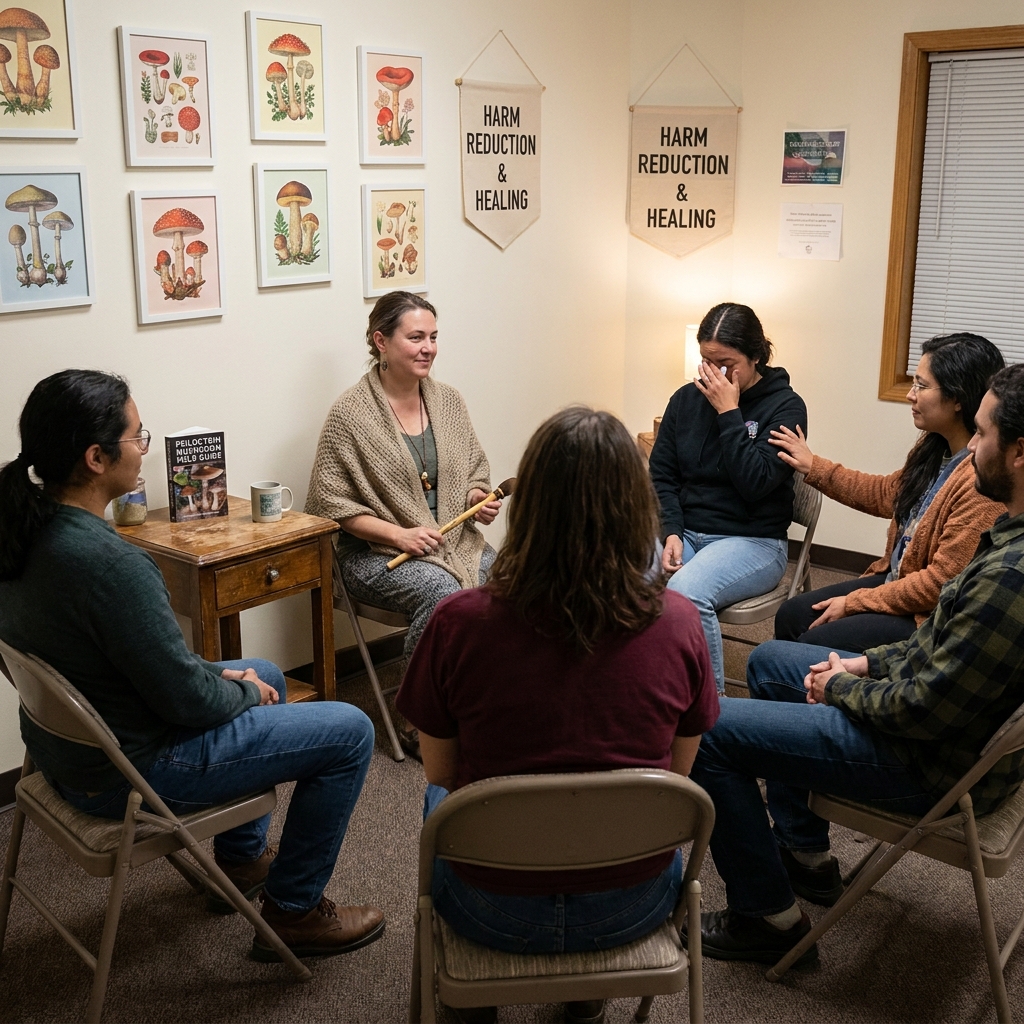
- Zendo Project: zendoproject.org — harm reduction model and volunteer training
- Oregon service centers: psilocybinservices.oregon.gov — licensed facilitators
- Integration therapists: psychedelicsupport.com
- Full ceremony guide: LearnShrooms Ceremony Planning