Psilocybin and Creativity: What the Science Actually Shows
The idea that psychedelics enhance creativity has cultural roots going back to the 1960s. Steve Jobs cited LSD as formative. Artists and musicians have attributed creative breakthroughs to psychedelic experiences for decades. But what does the actual research say about psilocybin and creativity — and is the effect as simple as it's often portrayed?
What Research Has Been Done
Structural creativity studies: Several research groups have examined psilocybin's effect on standardized creativity measures, primarily the Torrance Tests of Creative Thinking and similar divergent thinking assessments.
Key findings:
- Kaelen et al. (Imperial College, 2021): Found that a single medium-dose psilocybin session produced measurable increases in divergent thinking (generating multiple solutions to a problem) that persisted for up to 7 days after the session
- Seli et al. (2022): Found increased openness to experience (a personality trait strongly correlated with creativity) following psilocybin — an effect that persisted at 1-year follow-up
- Baggott et al.: Microdosing survey data shows self-reported improvements in creative thinking, but controlled studies of microdosing specifically have found more modest effects
Openness as the mechanism: The clearest creativity effect from psilocybin research may not be on creative tasks directly, but on personality change. Psilocybin reliably increases "openness to experience" — one of the Big Five personality traits, and the trait most strongly associated with creativity. A single high-dose session has been shown to produce lasting increases in openness, including in people over 30 (when personality traits are generally considered stable).
How Psilocybin May Affect Creativity
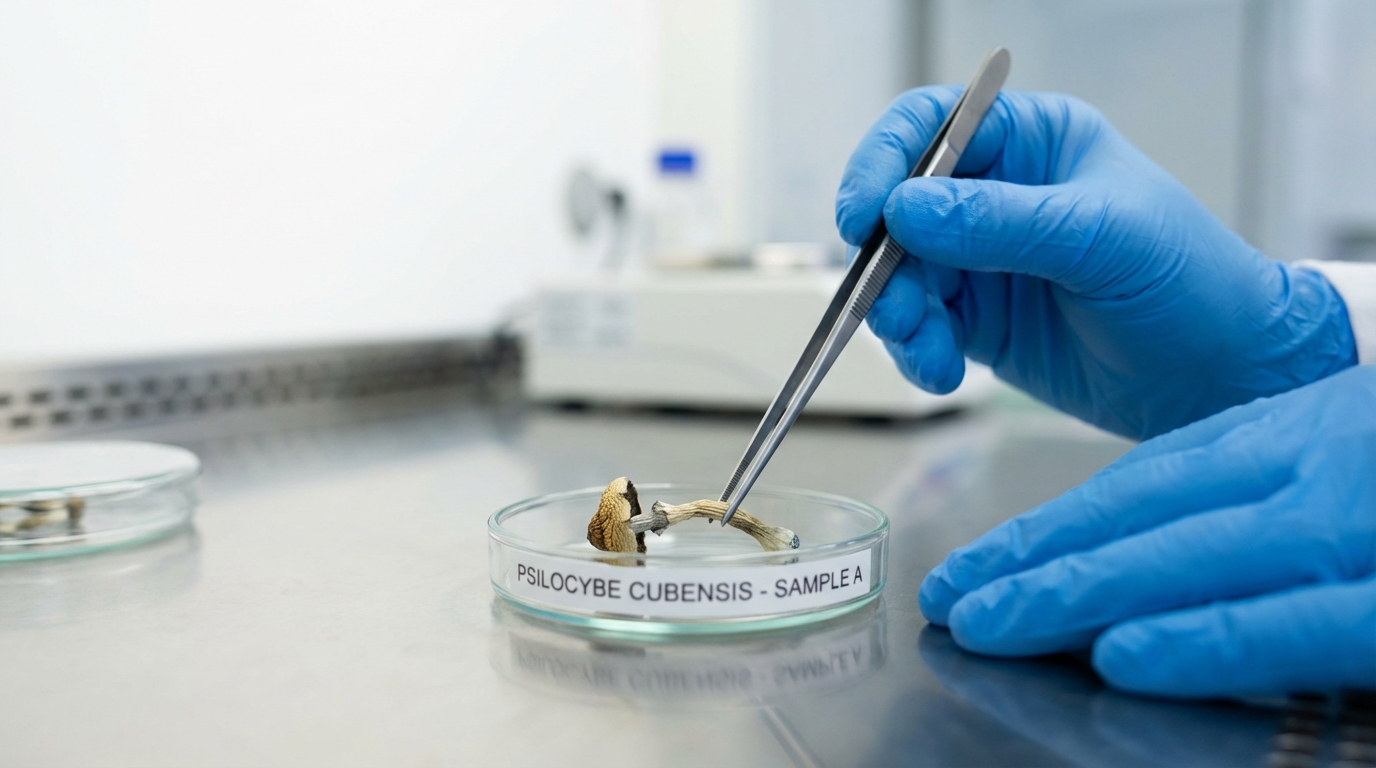
Default mode network disruption: The default mode network (DMN) is active during mind-wandering, self-referential thought, and narrative construction. It is also associated with creative incubation — the background processing from which novel ideas emerge. Psilocybin disrupts DMN coherence while simultaneously increasing cross-network connectivity. This may produce the "unusual associations" quality that many report during psilocybin experiences.
Reduced top-down prediction: Psilocybin reduces the brain's tendency to rely on prior expectations and predictions. From a creativity standpoint, this means less filtering of novel ideas through prior assumptions — the brain becomes more open to "what if" possibilities.
Increased psychological flexibility: Psilocybin has been shown to reduce cognitive rigidity — the tendency to get stuck in habitual thought patterns. Psychological flexibility (the ability to see problems from multiple perspectives) is considered central to creative thinking.
What the Research Doesn't Say
Psilocybin doesn't make you creative during the session: This is a common misconception. Most people in the peak of a psilocybin experience are not in a state conducive to producing creative work — they are processing, experiencing, and feeling, not generating. The creativity effect appears to operate through post-session changes, not session-time enhancement.
The effect size varies significantly: Not everyone shows creativity gains. Individual variation in response to psilocybin is substantial. The 5-HT2A receptor density, CYP2D6 metabolizer status, baseline personality, and set and setting all modulate response.
Microdosing creativity effects are less clear: Microdosing surveys show strong positive self-report, but placebo-controlled studies of microdosing (Szigeti et al., 2021; Szigeti et al., 2022) found that expectancy effects accounted for a significant portion of reported benefits. The microdosing creativity effect may be partly real and partly expectation.
The Openness Finding
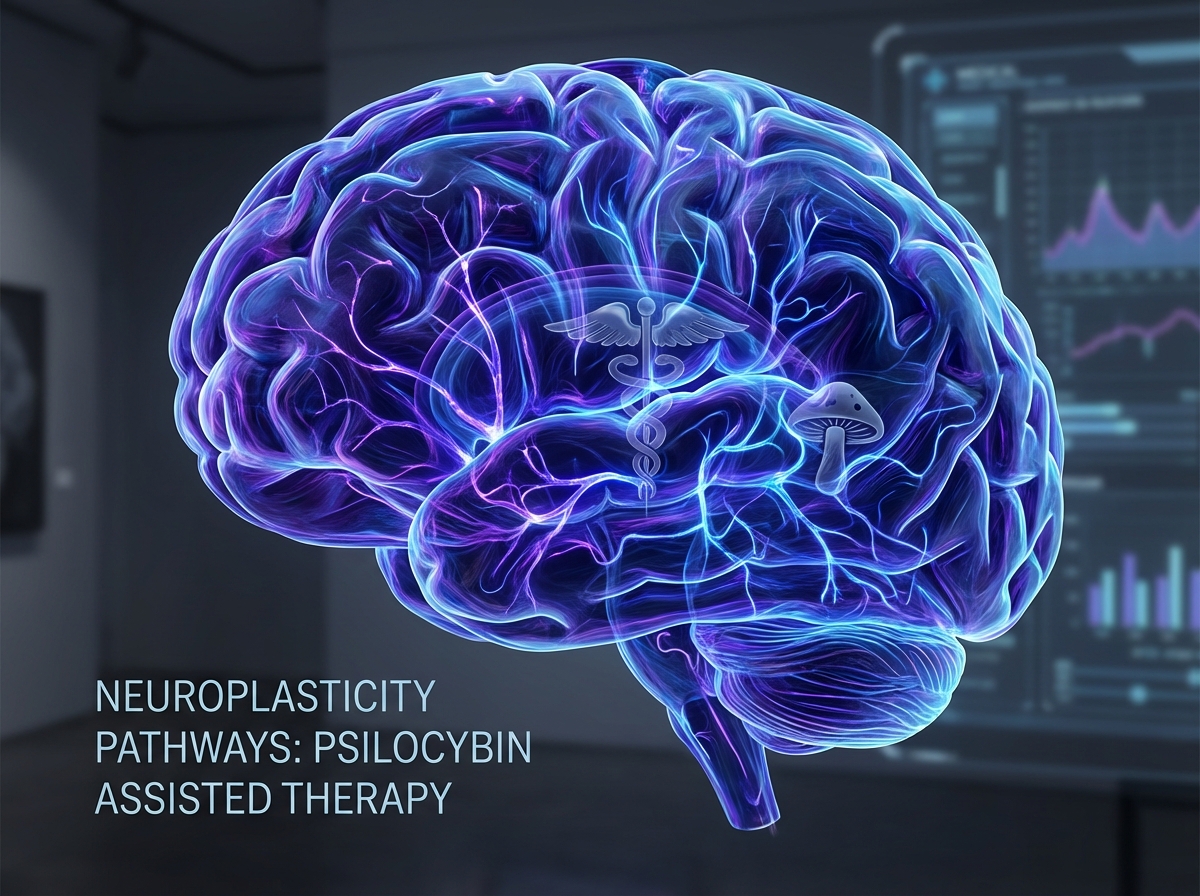
The most robustly documented creativity-adjacent finding from psilocybin research is the increase in openness to experience. MacLean et al. (2011) at Johns Hopkins found that participants who had mystical-type experiences during a high-dose session showed significant increases in openness that were still present at 14-month follow-up. This effect persisted more strongly than any other personality change measured.
Openness to experience includes:
- Curiosity and willingness to explore novel ideas
- Aesthetic sensitivity
- Intellectual interest in abstract thinking
- Imaginative engagement
These are all components of what people colloquially call "creativity." The psilocybin effect on openness may be the primary mechanism by which it influences creative potential.
Practical Implications
If you're interested in psilocybin for creative purposes, the evidence suggests:
- A moderate-to-high dose session is more likely to produce lasting creativity effects than microdosing
- Integration matters: The creative benefit appears to emerge in the weeks and months after a session, not during it — the session opens a door, integration work determines what you build through it
- The effect is on creative potential, not guaranteed creative output: Psilocybin increases openness and flexibility; what you do with that is up to you and your practice