
Ketamine vs. Psilocybin for Depression: A Clinical Comparison
Ketamine and psilocybin are both generating significant clinical research for treatment-resistant depression. They work through entirely different mechanisms, produce different experiences, have different access pathways, and are appropriate for different patients. This comparison provides a clear head-to-head analysis.
Overview
| | Ketamine / Esketamine | Psilocybin | |--|--|--| | Legal status | FDA-approved (ketamine) / FDA-approved (esketamine/Spravato) | Not FDA-approved; available in Oregon/Colorado programs | | Insurance coverage | Yes (esketamine Spravato) | No | | Mechanism | NMDA receptor antagonism | 5-HT2A agonism | | Experience type | Dissociative (detachment from reality, anesthesia) | Psychedelic (perceptual changes, emotional depth) | | Duration | 40-60 min per infusion | 4-6 hours | | Frequency | Multiple infusions over weeks | 1-2 sessions | | Cost | $400-800/infusion (out-of-pocket); Spravato often covered | $500-2,000/session (out-of-pocket) | | Speed of effect | Rapid (hours to days) | Days to weeks | | Duration of effect | Often 2-4 weeks; requires maintenance | Months; potentially durable |
Mechanisms: Why They're Different
Ketamine: Blocks NMDA glutamate receptors. This creates a rapid, powerful antidepressant effect through glutamate cascade and AMPA receptor upregulation, leading to rapid synapse formation (synaptogenesis). The effect is fast — often felt within hours — but typically wanes over weeks without re-treatment.
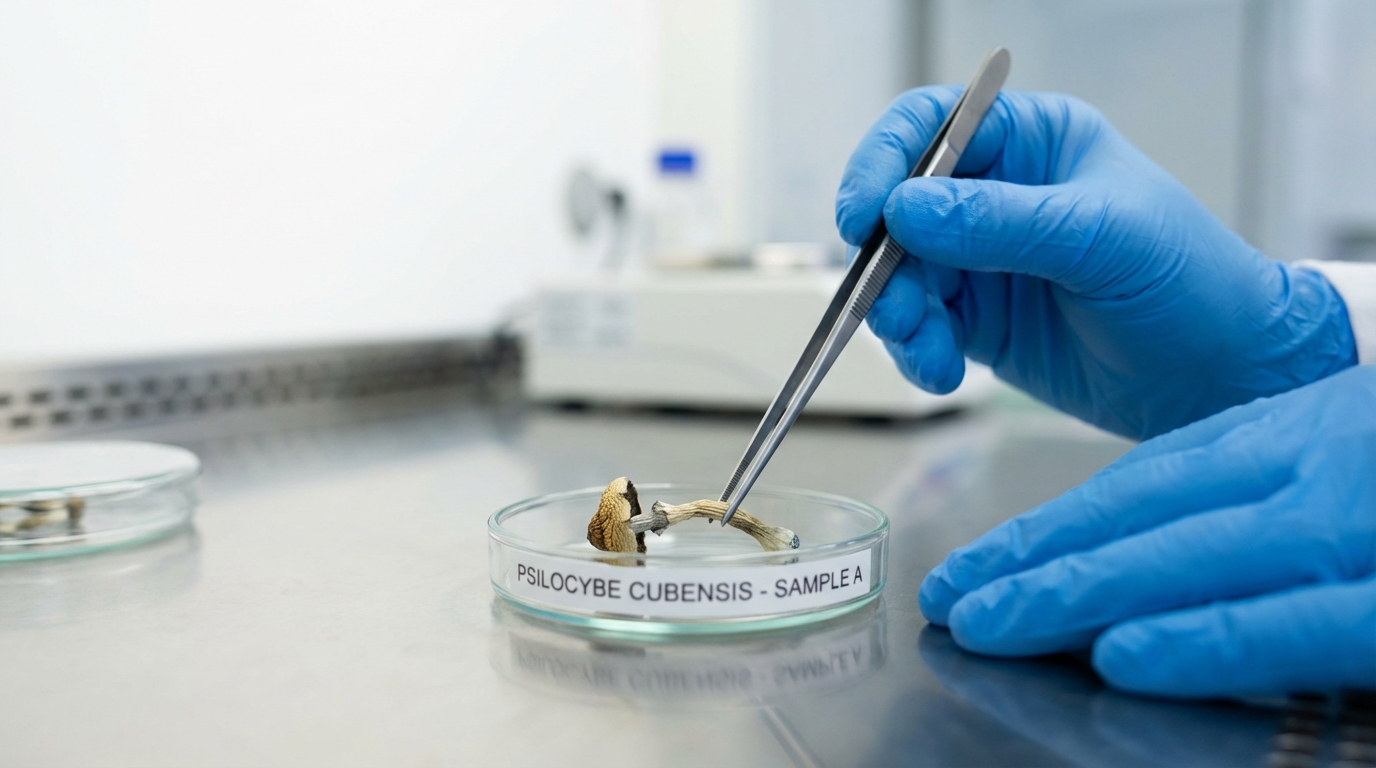
Psilocybin: Agonizes 5-HT2A serotonin receptors. Effects include DMN disruption, increased neuroplasticity (BDNF, dendritic spine growth), and the psychological effects of the session experience. The antidepressant effect emerges more slowly but appears more durable.
Practical implication: Ketamine is the better choice when rapid symptom relief is essential (acute suicidality, severe immediate distress). Psilocybin may be better for longer-term remission and cases where psychological work is part of the therapeutic goal.
The Experience
Ketamine at clinical doses: Creates dissociation — detachment from the body and surroundings, altered time perception, sometimes a dreamlike or floaty quality. Not a psychedelic experience in the classic sense. Many patients describe it as strange or pleasant but not emotionally significant. Some experience anxiety or dysphoria during infusions.
Psilocybin: A full psychedelic experience — perceptual changes, emotional processing, sometimes mystical or profound experiences. The experience itself is considered therapeutically meaningful, not just a vehicle for drug delivery. The Hopkins/NYU data show that the depth and quality of the session experience predicts outcomes.
Access and Cost
Ketamine/Esketamine:
- IV ketamine: Available at ketamine clinics nationally; $400-800 per infusion; typically not covered by insurance; 6-8 initial infusions recommended
- Esketamine (Spravato): FDA-approved nasal spray for TRD; often covered by insurance after prior authorization; administered in certified clinical settings
Psilocybin:
- Oregon Measure 109 service centers: Legal; typically $800-3,000 for full program; not covered by insurance
- Colorado Proposition 122: Similar access and cost
- Clinical trials: Free; limited availability; specific eligibility criteria
- International: Netherlands, Jamaica, and other jurisdictions; costs and quality vary
Who Each Treatment Is Best Suited For
Ketamine may be preferable when:
- Rapid symptom relief is essential (acute suicidality, severe functional impairment)
- Insurance coverage makes it more affordable
- The patient is not ready for or interested in a psychedelic experience
- Neurological history precludes the cardiovascular arousal of psilocybin sessions
- Previous psilocybin did not produce sufficient effect
Psilocybin may be preferable when:
- Longer-term remission is the goal
- Psychological and meaning-based work is part of the therapeutic intention
- The patient is interested in the experiential dimension of treatment
- Previous ketamine courses produced insufficient lasting effect
- A single intensive intervention fits the patient's life better than repeated infusions

The Evidence Landscape
Ketamine: FDA-approved, substantial evidence base, many years of clinical use for depression off-label, Spravato with Phase 3 trial data.
Psilocybin: Phase 2b data from COMPASS (positive); Phase 2 trials from Hopkins and NYU (striking results); not FDA-approved; COMPASS Phase 3 enrollment ongoing.
Both treatments have meaningful evidence bases. Ketamine has the regulatory advantage of FDA approval. Psilocybin has growing data suggesting possibly larger and more durable effects in specific populations.
Can They Be Combined?
There is no clinical research on sequential ketamine and psilocybin therapy. Some practitioners theorize that ketamine could be used for rapid stabilization while psilocybin provides longer-term benefit — but this is hypothesis without evidence. The different mechanisms mean there is no obvious pharmacological reason to avoid sequential use, but clinical guidance doesn't currently exist for this approach.