Psilocybin for Depression
COMPASS Pathways Phase 3 trials, Usona Institute data, and the clinical case for psilocybin in treatment-resistant depression.
Psilocybin for Depression: What the Research Shows
Depression is the most studied indication for psilocybin therapy, and the results from Phase 2 and Phase 3 clinical trials are among the most striking in modern psychiatric research. Response rates, remission rates, and durability of effect all substantially exceed what is typically seen with antidepressant medications in comparable populations.
This page covers the clinical evidence, how psilocybin differs from conventional antidepressants mechanistically, who the research applies to, and what legal access looks like in 2026.
The Evidence Base
Treatment-Resistant Depression
Treatment-resistant depression (TRD) — defined as depression that has not responded to at least two adequate antidepressant trials — affects an estimated 30% of people with major depressive disorder. It is the most studied psilocybin indication, and the evidence is strongest here.
Johns Hopkins (Phase 2, 2021): In a trial of 24 participants with moderate-to-severe TRD, two doses of psilocybin (20mg and 30mg, four weeks apart) produced a 71% response rate at four weeks. More than half of participants achieved full remission. Gains were largely maintained at 12 months.
COMPASS Pathways (Phase 3, 2025): The largest psilocybin trial to date enrolled over 200 participants with TRD. The 25mg COMP360 dose arm showed statistically significant and clinically meaningful reductions in depression scores at three and six weeks. This is the most advanced psilocybin compound in the FDA approval pipeline.
Imperial College London (Phase 2, 2021): A head-to-head comparison of psilocybin versus escitalopram (Lexapro) in moderate-to-severe depression found that psilocybin produced faster and larger reductions in depression scores, with participants also reporting greater improvements in emotional well-being and sense of meaning.
Major Depressive Disorder (Non-Treatment-Resistant)
Johns Hopkins (2021): A separate trial in people with major depressive disorder who had not failed multiple medications showed similar results — 71% response rate, 54% remission rate, with effects persisting at 12 months in the majority of participants.
This is notable because it suggests psilocybin's efficacy is not limited to a population that has exhausted other options — it may be effective as an earlier intervention.
How Psilocybin Differs from Antidepressants
Conventional antidepressants (SSRIs, SNRIs) work by increasing serotonin availability in the synaptic cleft. They require daily dosing, typically take 4–6 weeks to produce noticeable effects, and must be continued indefinitely for many patients. When they work, they often produce a partial response — reduced symptom severity rather than remission.
Psilocybin works differently in almost every respect:
- Mechanism: Directly activates 5-HT2A serotonin receptors rather than modulating reuptake. This produces acute neuroplasticity — measurable increases in dendritic spine density within 24 hours.
- Dosing: One to three sessions total, not daily indefinitely.
- Timeline: Effects observable within days to weeks, not months.
- Quality of response: Clinical trials consistently show participants reporting not just reduced symptom scores but improved sense of meaning, purpose, and emotional range — qualities rarely associated with antidepressant response.
- Durability: 12-month follow-up data show maintained gains in a majority of participants — unusual for any psychiatric intervention.
The working hypothesis is that depression involves rigidly maintained negative self-referential patterns in the default mode network. Psilocybin temporarily disrupts these patterns and creates a window of neuroplasticity during which new patterns can be established. Conventional antidepressants modulate the chemical environment but do not disrupt the patterns themselves.
Who the Research Applies To
The clinical trial populations have been carefully screened. Understanding who was and was not included is essential for anyone considering psilocybin therapy.
Typically included:
- Adults 21–65 with diagnosed MDD or TRD
- Failure of 2+ adequate antidepressant trials (for TRD studies)
- Medically screened and psychiatrically stable enough to engage with the process
Typically excluded:
- Personal or family history of schizophrenia, bipolar I, or psychosis
- Active suicidal ideation with plan or intent
- Current lithium use (seizure risk)
- Current MAOI use
- Cardiovascular conditions that increase risk of blood pressure elevation
- Pregnancy
Most trials also excluded people currently on SSRIs (which blunt effects), though some trials allowed controlled tapering before the session.
If you do not fit the trial inclusion criteria, that does not mean psilocybin therapy is necessarily wrong for you — it means the research does not directly apply and individual clinical judgment is required. See Contraindications and Drug Interactions for details.
Types of Depression Psilocybin Has Been Studied For
- Treatment-resistant depression — strongest evidence base
- Major depressive disorder (non-treatment-resistant) — strong Phase 2 evidence
- Depression co-occurring with terminal illness — very strong evidence from end-of-life anxiety trials
- Depression co-occurring with addiction — studied in alcohol and smoking cessation trials; depression outcomes improved alongside addiction outcomes
- Grief and bereavement — limited formal research but significant clinical experience in licensed settings
Areas with less evidence:
- Bipolar depression (not well-studied; psychosis risk is a concern with mania history)
- Postpartum depression (excluded from trials due to pregnancy/nursing considerations)
- Depression in adolescents (most trials enrolled adults 21+)
What a Treatment Course Looks Like
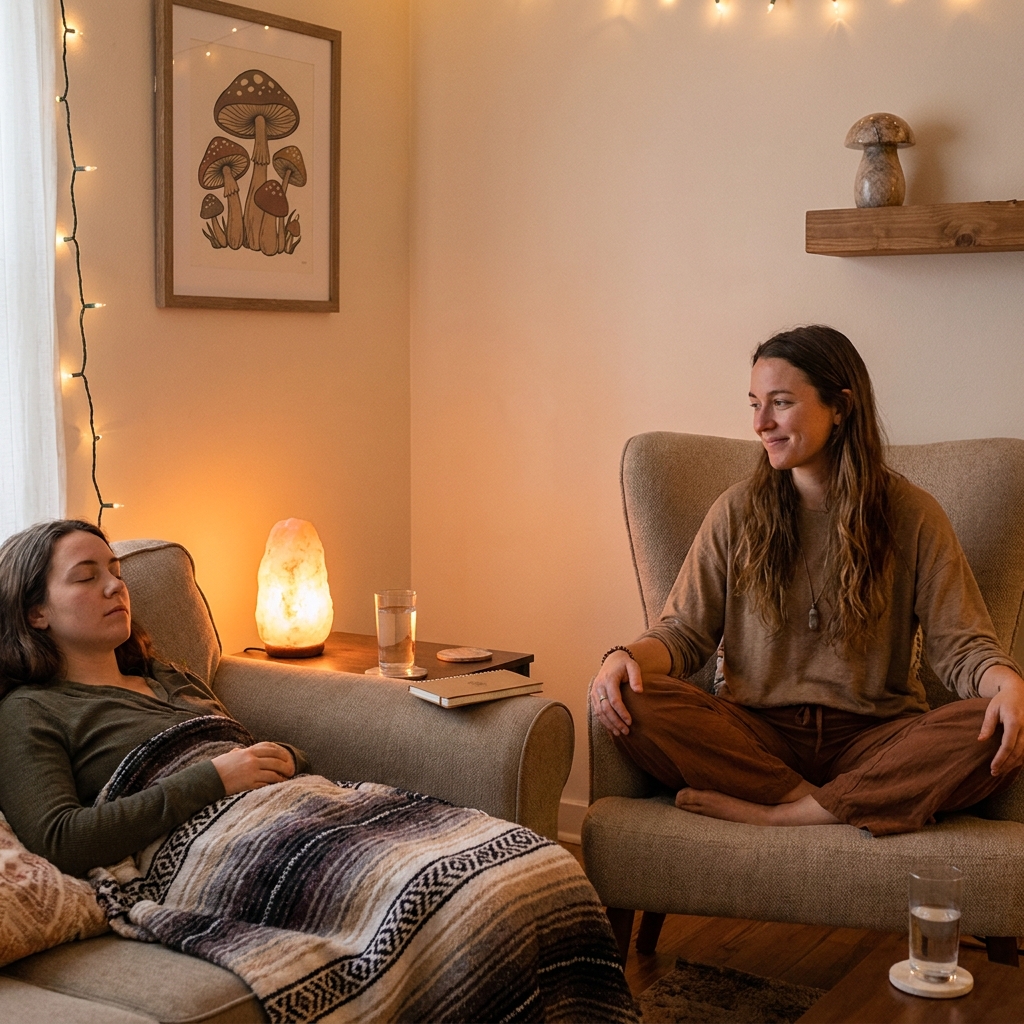
Most clinical protocols involve two or three psilocybin sessions over 4–12 weeks, with preparation and integration sessions surrounding each. The Johns Hopkins protocol that produced the strongest results used:
- Two preparation sessions (approximately 8 hours total) covering history, intentions, what to expect, and relationship-building with the therapist team
- Session 1: 20mg psilocybin (approximately 2.5g dried mushroom equivalent), 6–8 hours, with two therapists present
- Two integration sessions following Session 1
- Session 2: 30mg psilocybin, four weeks after Session 1
- Integration sessions following Session 2, including at 1 month and 3 months
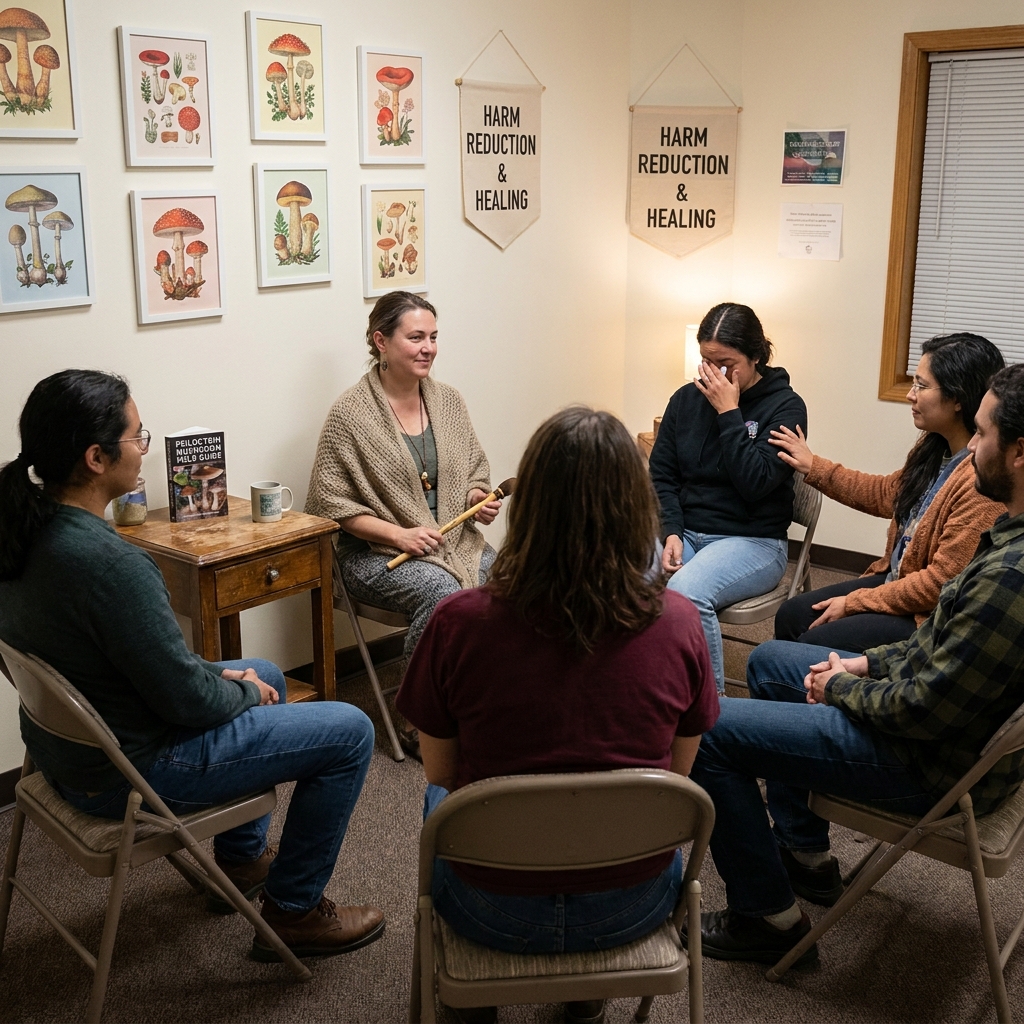
In Oregon's licensed service centers, the protocol is less structured — one preparation meeting, one session, one optional integration session — reflecting the non-medical facilitation model. Colorado's healing centers allow more clinical structure, including licensed therapists and multiple sessions integrated with psychotherapy.
COMPASS Pathways and the FDA Pathway
COMPASS Pathways' COMP360 (synthetic psilocybin) is the most advanced psilocybin drug in the FDA approval pipeline. Phase 3 trials for treatment-resistant depression showed positive results in 2025. If approved — which may occur in 2026–2027 pending NDA review — it would be the first FDA-approved psychedelic.
What FDA approval would mean practically:
- Psychiatrists could legally prescribe COMP360 for TRD
- Insurance coverage would become possible (though likely limited initially)
- Administration would occur in certified clinical settings (a REMS program is expected to be required)
- It would not affect the legal status of natural psilocybin mushrooms
FDA approval of COMP360 would represent a significant regulatory milestone but would not make the Oregon or Colorado service center models obsolete — those programs offer a different, non-medical model that many people prefer.
Finding Treatment
In Oregon and Colorado: Licensed service centers and healing centers can legally provide psilocybin-assisted sessions for depression. No diagnosis required in Oregon. See our Directory for vetted providers.
Clinical trials: Multiple trials are actively enrolling for MDD and TRD. Visit ClinicalTrials.gov and search "psilocybin depression." COMPASS Pathways, Usona Institute, and multiple universities have active recruitment sites.
Integration therapy: In states without legal programs, integration therapists — licensed mental health professionals who support psilocybin experiences without administering the compound — are available in most major cities. They can provide therapeutic support for people who access psilocybin through other means.
See How to Find a Psilocybin Therapist for guidance on vetting providers and avoiding unethical practitioners.