Psilocybin for Relational Trauma: Emerging Evidence and Clinical Insights
Most published psilocybin trials have studied specific diagnostic categories — PTSD, major depression, alcohol use disorder. But an emerging body of clinical observation and preliminary research suggests psilocybin may be particularly useful for something that underlies many of those diagnoses: relational trauma.
What Relational Trauma Is
Relational trauma refers to psychological injury arising from disrupted, unsafe, or abusive attachment relationships — particularly in early childhood. It includes childhood neglect, emotional abuse, inconsistent parenting, early loss, and the chronic experience of being unsafe in relationship with primary caregivers.
Unlike single-incident PTSD (a car accident, a combat event), relational trauma is woven into the architecture of how a person organizes their emotional life, relationships, and sense of self. The psychiatric category that captures this is Complex PTSD (C-PTSD) — characterized by chronic emotional dysregulation, persistent shame, difficulties with intimacy, and the fundamental expectation that relationships are dangerous.
Standard trauma treatments show more limited efficacy for C-PTSD than for single-incident PTSD. This gap is part of what makes emerging psilocybin research in this area significant.
The Theoretical Mechanisms
Three converging mechanisms suggest psilocybin may address relational trauma at a level other treatments cannot:
DMN suppression and the inner critic: In relational trauma, the self-referential brain system (default mode network) often carries persistent shame-based narratives developed in early relationships. Psilocybin's acute suppression of this system — experienced as ego dissolution or the quieting of the inner critic — may provide relief from these automatic loops and create space for new self-perception.
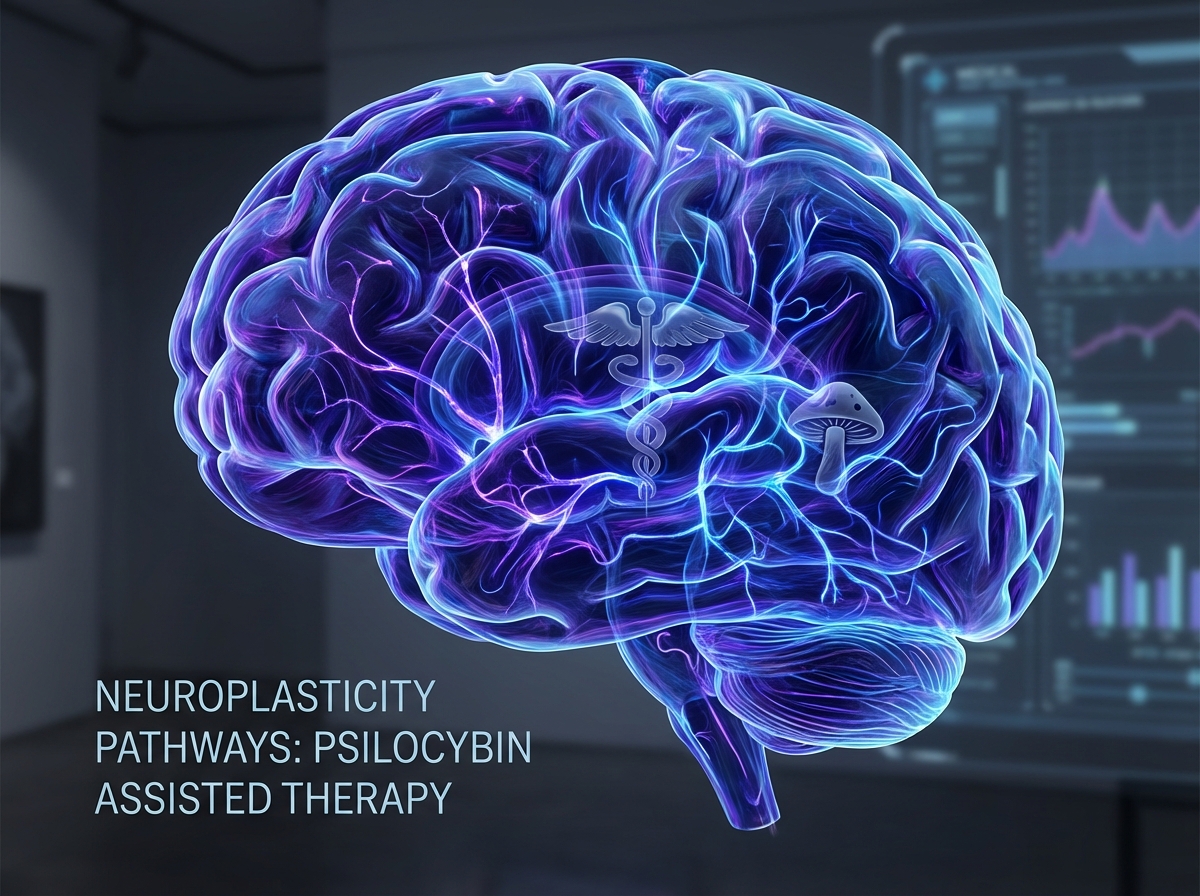
Neuroplasticity and attachment schemas: Relational trauma encodes in deeply implicit attachment schemas — the models of self and other that operate below conscious awareness. Psilocybin's promotion of neuroplasticity may create a window during which these schemas become more malleable and open to revision through new relational experiences.
Oceanic boundlessness: The mystical experience's quality of unity and dissolution of self-other boundaries — reported as a felt sense of belonging and safety — may provide what developmental psychologists call a "corrective emotional experience" at a depth that talk therapy cannot easily reach.
What Clinical Practitioners Are Seeing
Practitioners in Oregon and other legal contexts are reporting consistent patterns in clients with relational trauma backgrounds:
- Re-encountering early relational memories from an adult perspective — seeing parents as the limited, wounded people they were
- Experiencing grief for what was absent rather than only anger about what was harmful
- Moments of self-compassion previously inaccessible — meeting the child self with tenderness
- Resolution of shame that had felt permanent
These are observational reports, not clinical trial data. Several research groups are now specifically recruiting for psilocybin trials in C-PTSD, with results expected 2026–2027.
Clinical Considerations
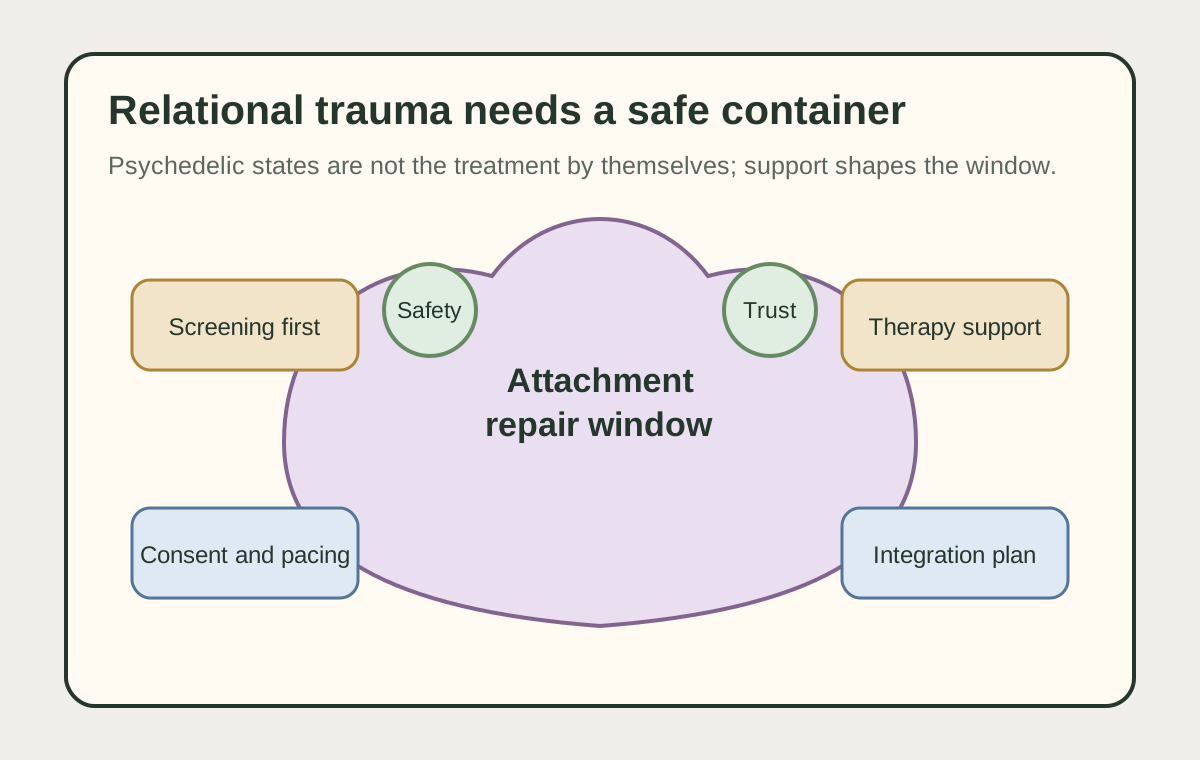
For people with relational trauma, the quality of the therapeutic relationship with the facilitator matters more than in typical populations. Careful facilitator selection, extended preparation, lower starting doses, and robust integration are especially important. Psilocybin for relational trauma is not a stand-alone intervention — it works best within a sustained therapeutic relationship that can hold and process what emerges.