Microdosing Psilocybin: 2026 Research Update
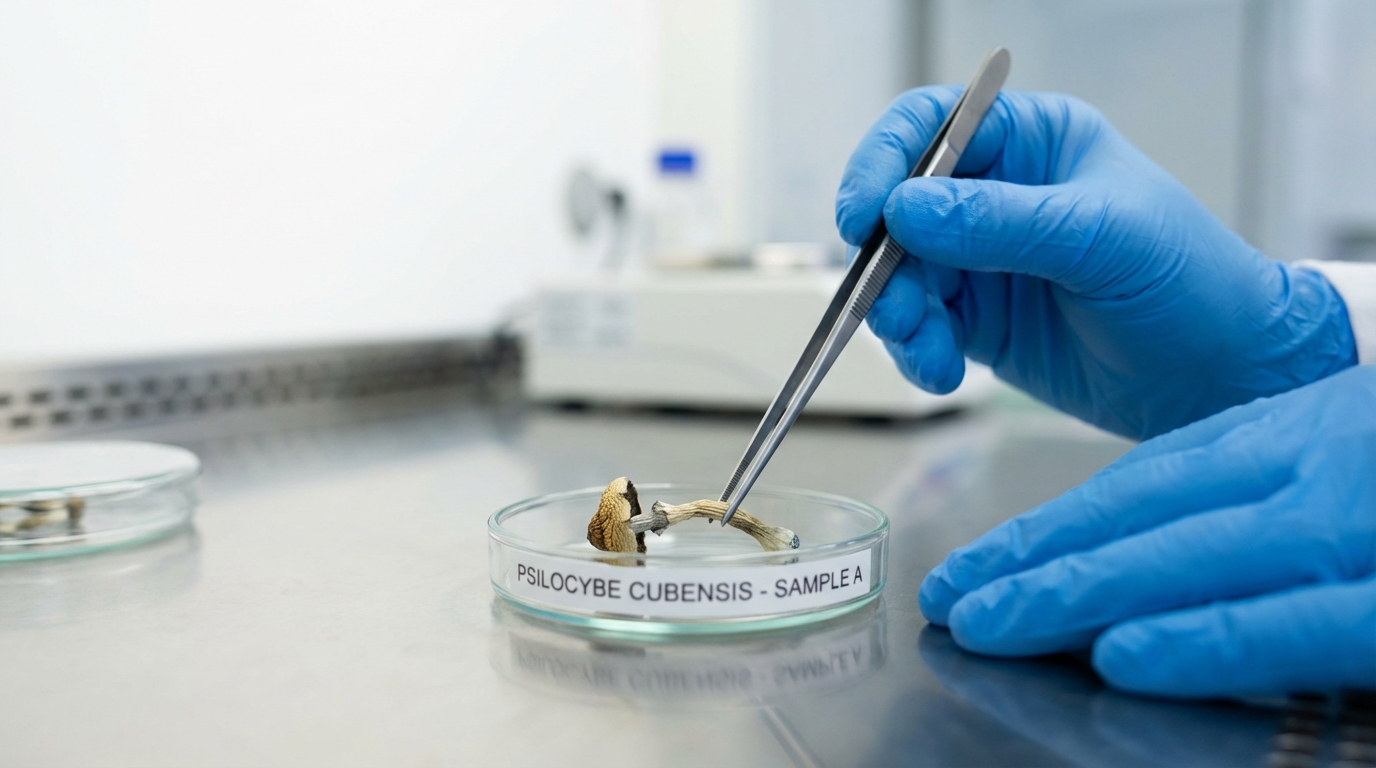
Microdosing — consuming sub-perceptual doses of psilocybin (typically 0.05–0.3g) on a regular schedule — has attracted enormous popular attention since James Fadiman's early documentation work in the 2010s. The 2026 research landscape is substantially more rigorous than it was even three years ago. Here's what the controlled trial evidence now shows.
What Microdosing Is (and Isn't)
A microdose is defined operationally as a dose that produces no perceptible psychoactive effect — no visual changes, no significant mood alteration, no impairment. The dose is small enough that you can work, drive (depending on jurisdiction), and function normally. If you feel "something," the dose is too high.
This is important context for evaluating research: studies that blur the line between microdosing (0.05–0.3g) and "low doses" (1–1.5g) are measuring different phenomena. Effects at 1g are not microdosing effects.
Common protocols:
- Fadiman Protocol: 1 day on, 2 days off (dose on Day 1, normal Days 2–3, repeat)
- Stamets Stack: 5 days on, 2 days off; includes lion's mane mushroom and niacin
- Nightcap Protocol: Every other day at nighttime (minimizes daily schedule disruption)
The Placebo Problem
The central methodological challenge in microdosing research is placebo blinding. If participants know they received a microdose (because they feel sub-threshold effects), any self-reported improvement may reflect expectancy rather than pharmacological action.
The most rigorous studies address this through:
- Active placebo controls: Low-dose niacin or diphenhydramine that produces mild physical sensations (warmth, slight drowsiness) but no psychedelic effect
- Participant blinding assessment: Testing whether participants can correctly guess their condition — those who correctly guess add noise to results
This is not a dealbreaker for microdosing research, but it should calibrate expectations when reading results.
What the 2024–2026 Trial Data Shows
Imperial College London — Randomized Controlled Trial (2024)
The most rigorous microdosing RCT to date enrolled 191 healthy volunteers in a double-blind crossover design with active placebo control.
Results:
- Statistically significant improvement on measures of wellbeing and mood on dose days vs. placebo
- No significant difference in cognitive performance (attention, working memory, creativity tasks)
- Dose days: 0.1g produced more consistent sub-perceptual effects than 0.05g
- Participant blinding: 56% correctly identified their condition on dose days — above chance but not definitively broken
What this means: There is a real pharmacological signal for mood on dose days at 0.1g. The effect does not extend substantially to cognitive performance, which challenges some popular claims.
University of Toronto — Wellbeing Study (2023)
Large observational study (n=953) comparing self-reported wellbeing, psychological flexibility, and nature relatedness in active microdosers vs. non-dosing controls over four weeks.
Results:
- Microdosers showed greater improvements in wellbeing, depression symptoms, and anxiety at 4 weeks
- Limitations: Self-selected sample, no placebo control, expectancy effects cannot be ruled out
- Interaction effect: Improvements were stronger in participants with higher baseline psychological distress
What this means: In naturalistic conditions, people who microdose report improving. Whether this is pharmacological, expectancy, placebo, or selection bias is not definitively resolved.
Maastricht University — Creativity and Attention (2024)
60 healthy volunteers in a crossover design; 0.2g psilocybin vs. placebo. Comprehensive cognitive battery including convergent and divergent thinking.
Results:
- No significant effect on convergent thinking (finding one correct answer)
- Modest improvement in divergent thinking (generating multiple possible answers) — but only in participants who scored highest on baseline neuroticism
- No significant effect on sustained attention
What this means: The creativity benefit of microdosing, if it exists, may be highly individual and dependent on baseline psychology. Population-level claims about creative enhancement are not well-supported.
The Neuroplasticity Hypothesis
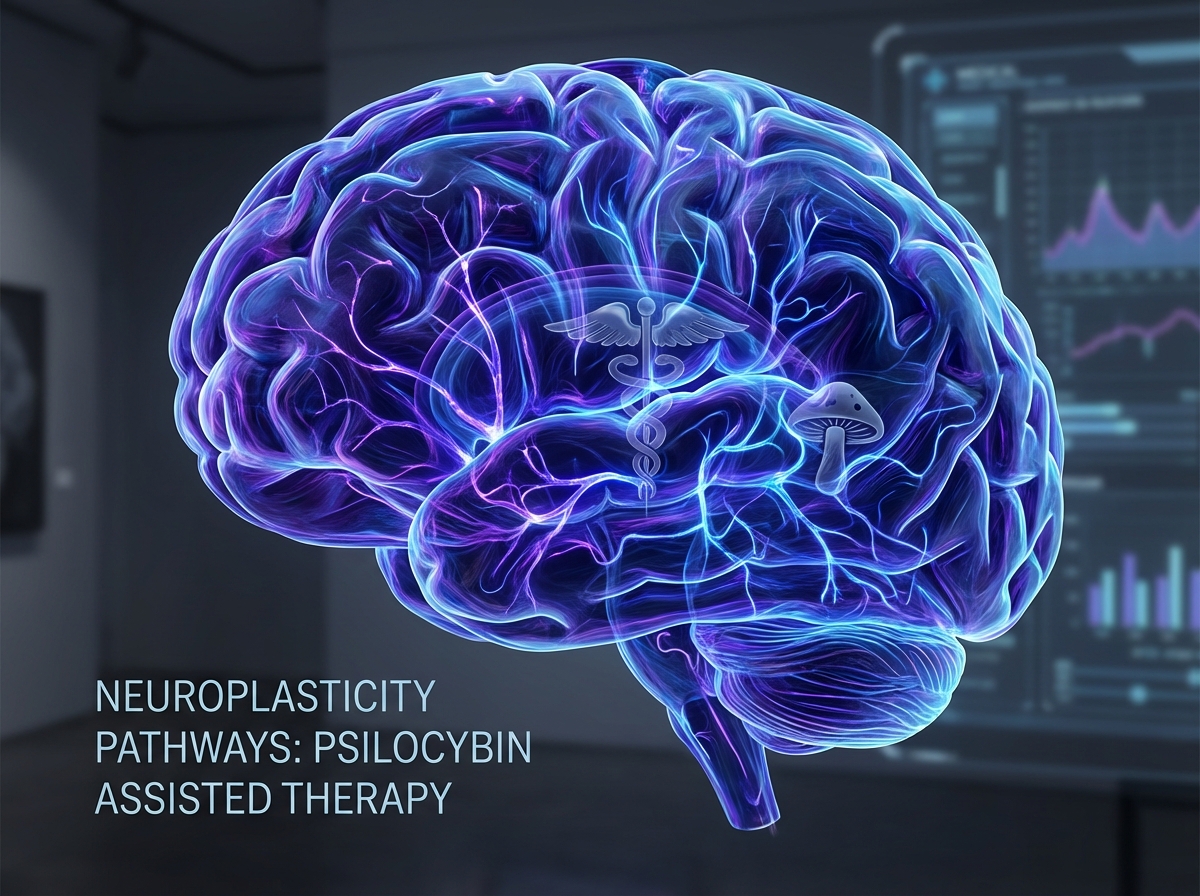
The most compelling mechanism proposed for microdosing effects is neuroplasticity promotion through BDNF (brain-derived neurotrophic factor) upregulation. Psilocybin at any dose appears to upregulate BDNF in rodent models. Whether sub-perceptual human doses produce the same effect is not established in humans — the rodent work is suggestive but the translation is uncertain.
The 2023 finding that psilocybin promotes dendritic spine growth in rodents (Shao et al., Science, 2023) attracted significant attention. This work used higher doses than typical microdoses and was conducted in mice, not humans. The relevance to human microdosing is speculative but scientifically plausible.
The Stamets Stack: Is the Niacin Component Real?
Paul Stamets proposed adding niacin (vitamin B3) to psilocybin microdoses based on the hypothesis that niacin promotes neuroplasticity and peripheral serotonin receptor stimulation, enhancing distribution of psilocybin metabolites.
Current evidence for the niacin addition:
- No controlled human trial has specifically tested the Stamets Stack vs. psilocybin alone
- The mechanism proposed is biologically plausible but unverified in humans
- Many people who try the Stamets Stack reduce or eliminate niacin due to flushing (a common niacin side effect at the recommended 100–200mg dose)
The niacin component of the Stamets Stack remains an untested hypothesis. It may be beneficial, neutral, or counterproductive — we genuinely don't know yet.
Tolerance and the Wash Period
Psilocybin produces rapid serotonin receptor downregulation — tolerance develops quickly. This is why protocols include "off days":
- Daily dosing would progressively blunt effects
- The 2-day off period in the Fadiman Protocol allows partial receptor recovery
- Weekly dosing (some naturalistic protocols) shows less tolerance accumulation
Current research suggests the optimal schedule is likely 2–3 times per week with at least 2 days off between doses. More frequent dosing shows diminishing returns.
Duration: Most studies run 4–8 weeks. The optimal total duration of a microdosing course is not established. Indefinite microdosing is practiced by some; the long-term effects of chronic sub-perceptual psilocybin use are not studied.
Side Effects and Risks
Microdosing appears substantially safer than full-dose psilocybin based on available evidence. Reported side effects from controlled trials:
- Headache: Most common adverse event at 0.1–0.2g, especially on dose days
- Anxiety: Some participants report heightened anxiety, particularly those with baseline anxiety disorders
- Sleep disruption: Reported by 10–15% in most studies; morning dosing typically avoids this
- Physical discomfort: Mild nausea at higher end of microdose range
Not observed in short-term trials: Psychotic episodes, hallucinogen persisting perception disorder (HPPD), physical organ toxicity.
Unknown: Long-term cardiac effects. Psilocybin activates 5-HT2B receptors, which at high chronic activation (as with certain MDMA metabolites and fenfluramine) have been associated with cardiac valvulopathy in animal models. Sub-perceptual doses and intermittent use substantially reduce this theoretical risk, but long-term (years) human data does not exist.
What the Research Supports vs. What It Doesn't
| Claim | Evidence Level | |-------|---------------| | Mood improvement on dose days | Moderate (RCT data) | | Reduced depression symptoms over weeks | Moderate (observational; needs more RCTs) | | Cognitive enhancement (creativity, focus) | Weak — inconsistent across studies | | Neuroplasticity promotion | Plausible mechanism; unverified at human microdose levels | | Niacin stack superiority | No evidence; untested | | Long-term safety | Unknown; no data beyond 8–12 weeks |
Practical Guidance
For someone considering microdosing:
- Start lower than you think you need: 0.05g is a genuine starting point. 0.1g is a common effective dose. 0.2g begins to blur into low-dose territory for some people.
- Keep a daily log: Rate mood, energy, focus, and note anything unusual. This is the only way to objectively evaluate whether it's working for you.
- Respect the off days: They're not wasted days — they're where tolerance resets.
- Set a trial period: Commit to 4 weeks with a specific protocol, then evaluate.
- Don't expect transformation: Microdosing is subtle by definition. If you're expecting profound change, you're expecting the wrong thing — or your dose is too high.
See the Microdosing Guide for full protocol details, schedule calendars, and harm reduction considerations.