
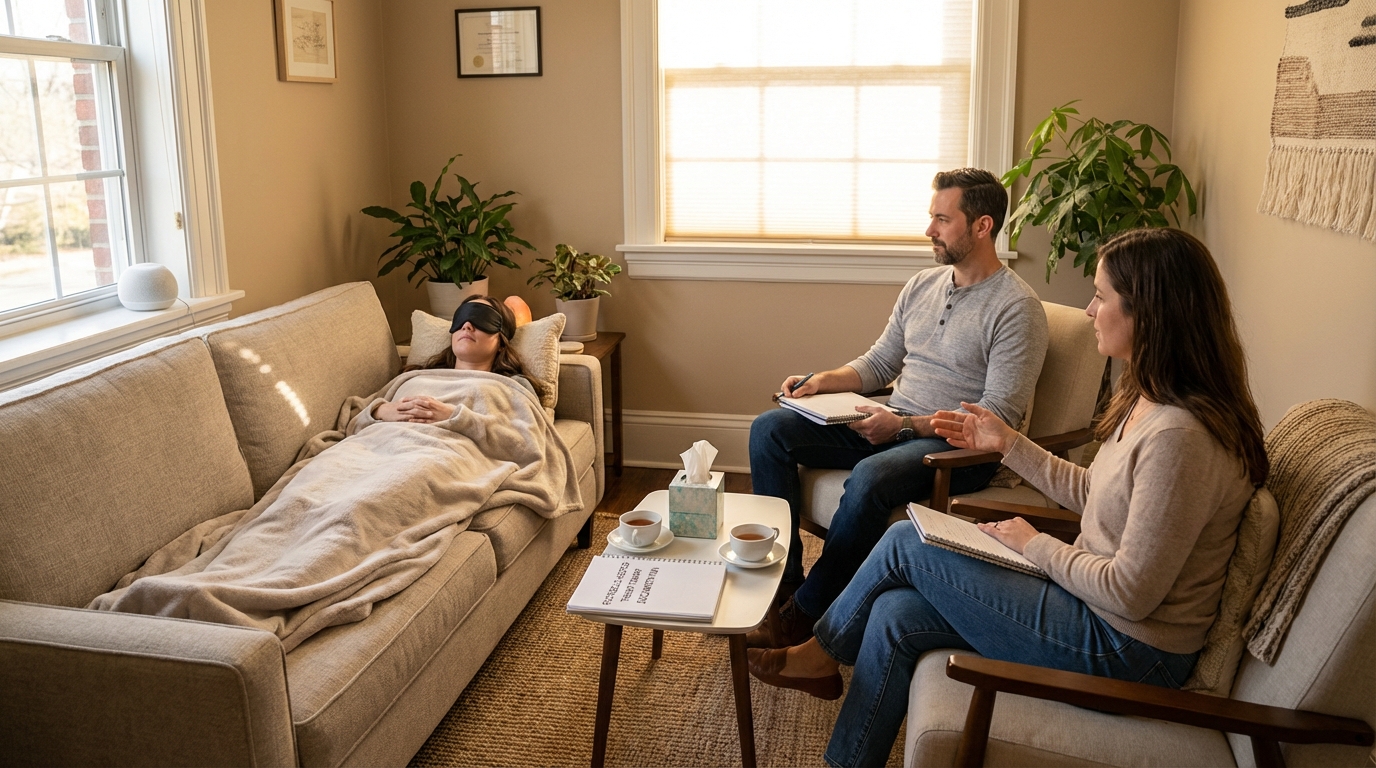
A spring 2026 update — what changed since our last build
LearnShrooms launched as a 188-page reference site in early 2026. The landscape has not stood still since. Three new state-level legislative wins, a $6 million New Jersey hospital pilot, a wave of clinical trials actively recruiting in 2026, a niche-supplier economy emerging behind the scenes of the home cultivation movement, and a generation of YouTube cultivation masters who have pushed the technical floor for home growing dramatically lower than it has ever been.
This update consolidates what is new in spring 2026 — clinical pathways, cultivation YouTube, the niche gem brands, the 2026 legislative frontiers, and the historical context every modern psilocybin reader should know.
1. Clinical trials actively recruiting in 2026
The single highest-leverage way to legally access psilocybin in 2026 — outside of Oregon's regulated service centers and Colorado's healing centers — is participation in a clinical trial. Trials use synthetic GMP-grade (Good Manufacturing Practice) psilocybin under the supervision of two trained facilitators in a controlled setting. Compared to "street" use, the pharmacology is precise, the contaminant risk is zero, and the supportive infrastructure is purpose-built.
Four research hubs have major recruiting activity in 2026:
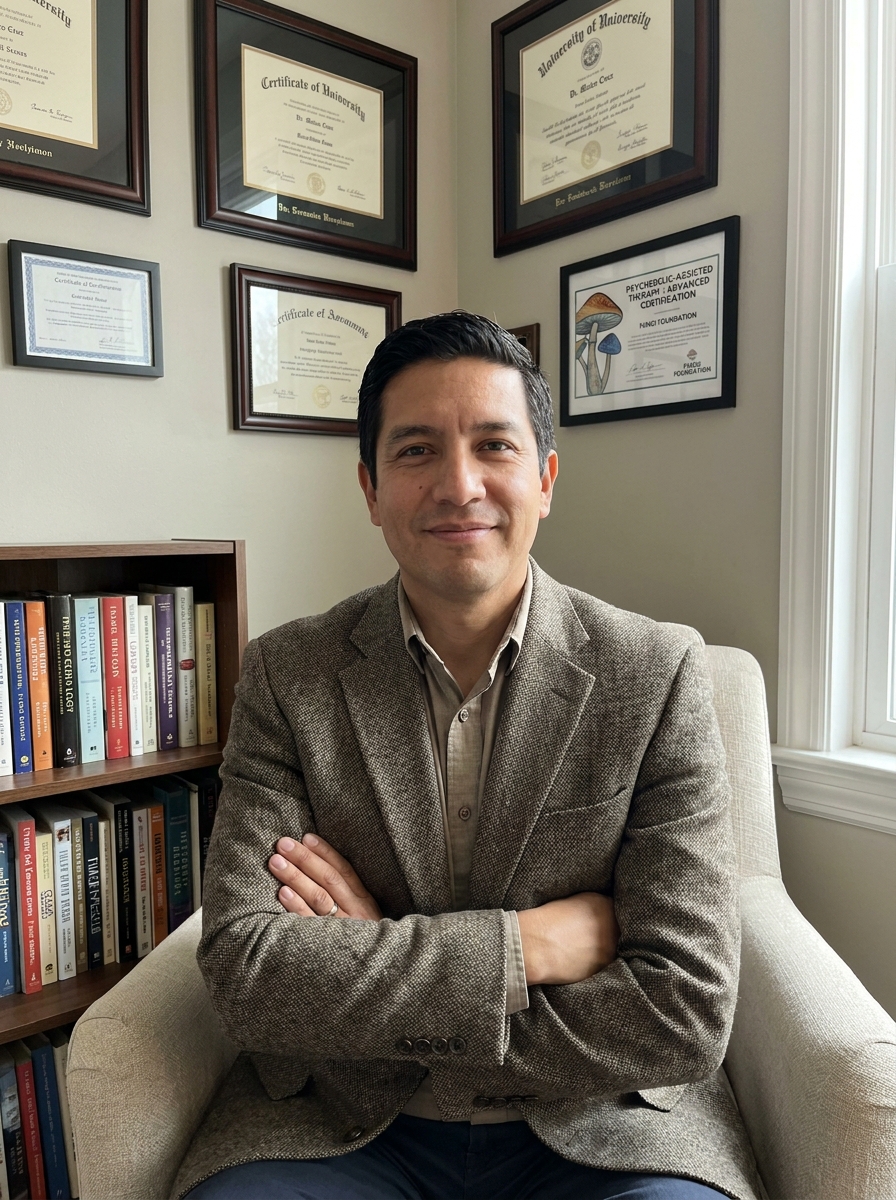
UCSF — University of California, San Francisco
Targets: Chronic Low Back Pain, Anorexia, Palliative Care. Recruiting status: High-authority clinical trials currently open to healthy volunteers and patients meeting study criteria. Why it matters: UCSF's portfolio is unusual in that it extends beyond depression and PTSD into pain medicine and palliative care. For Bay Area residents, UCSF is the most diverse 2026 trial landscape in the country.
NYU Langone — Center for Psychedelic Medicine, New York City
Targets: Depression and psychiatric disorders. Recruiting status: The Center for Psychedelic Medicine is one of the most active psilocybin research institutions in the world — multiple trials enrolling at any given time. Why it matters: NYU Langone has been at the center of psilocybin clinical research since the early Charles Bossis / Anthony Bossis cancer-distress trials. The Center for Psychedelic Medicine extends that lineage with broader psychiatric coverage.
USF Health — Tampa, Florida
Targets: Mental health applications of psilocybin and psilocybin-like compounds. Recruiting status: Active enrollment. Why it matters: Florida residents face a tightening state landscape — psilocybin spores were newly banned in 2026 — but USF Health Tampa remains a major hub for legal clinical participation. For residents in the Southeast, this is the most accessible legal trial pathway.
Sunstone Therapies — Rockville, Maryland
Targets: Cancer-related distress, PTSD, Depression. Recruiting status: Active enrollment across multiple sponsors. Why it matters: Sunstone is one of the few private clinical research sites that has built infrastructure specifically for psychedelic-assisted therapy trials. For Mid-Atlantic residents — especially those near the federal R&D corridor — Sunstone is the closest dedicated psychedelic trial site.
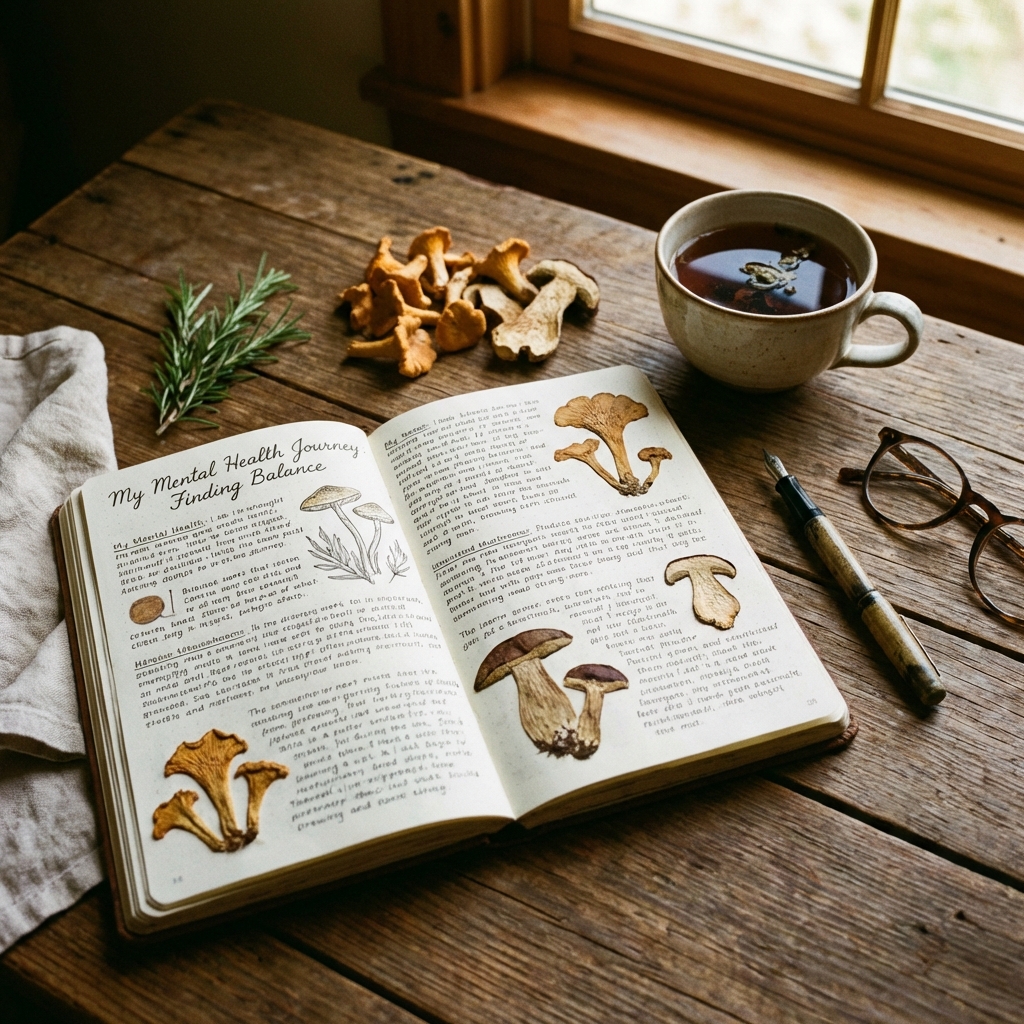
How to evaluate a trial before applying
Every legitimate clinical trial registers an NCT number on ClinicalTrials.gov — the National Library of Medicine's clinical trial registry. For example, the uAspire MDD trial (NCT06308653) evaluates a precise 25mg vs 5mg dose efficacy comparison for treatment-resistant depression. Always check the NCT number. Always read the inclusion and exclusion criteria.
Common inclusion criteria: A documented history of resistance to standard SSRIs or SNRIs (for TRD/PTSD trials), a confirmed clinical diagnosis, and willingness to commit to the multi-session protocol.
Common exclusion criteria: Active psychosis, family history of schizophrenia, or uncontrolled hypertension. These exclusions are not arbitrary — they reflect the pharmacokinetic and cardiovascular safety profile of psilocybin in vulnerable populations.
→ Read more on the /therapy/ hub for condition-specific overviews.
2. The cultivation masters of YouTube
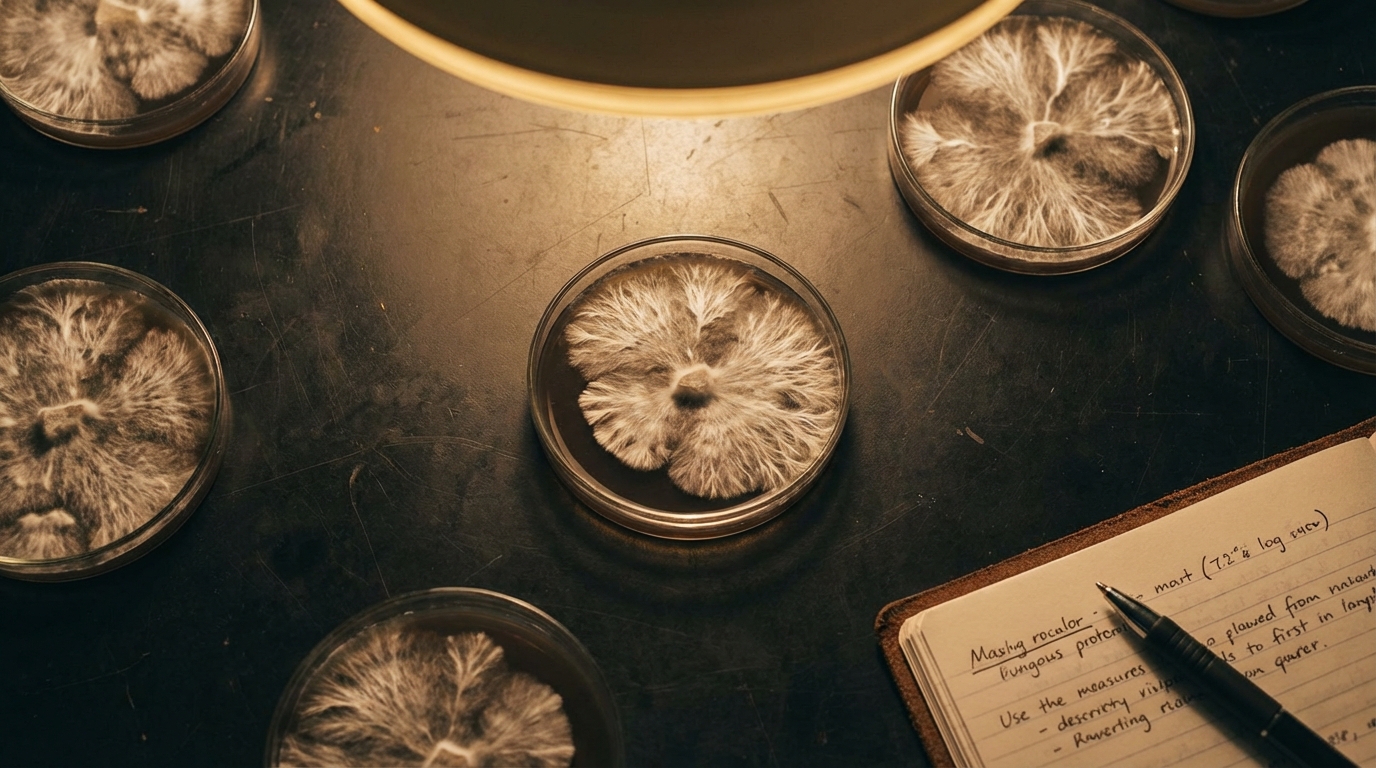
The home cultivation conversation has matured dramatically. As recently as 2020, the dominant YouTube cultivation content was either gatekept behind expensive equipment recommendations or technically incomplete. By 2026, a generation of creators has produced a remarkably accessible cultivation library.
We have profiled the five most consequential cultivation channels at /videos/youtube-channels/. Briefly:
- PhillyGoldenTeacher — the master of "Broke Boy Tek." Low-cost, high-yield methods that bring serious mushroom growing within reach of someone with a kitchen and ~$50 of supplies.
- Boomer Shroomer — polished, full-cycle monotub cultivation. The top recommendation for visual learners.
- 90 Second Mycology — the originator of "Uncle Ben's Tek." Scientific approach to ultra-fast, no-pressure-cooker home growing.
- EazyBlueThumb — Uncle Ben's Tek Season 1 & 2. The most patient absolute-beginner walkthrough on YouTube.
- Mycophilia — professional-grade mycology techniques (agar, flow hoods, advanced LC) adapted for serious home cultivators.
The four key cultivation "teks" you will encounter
If you watch any of those channels, four techniques will recur. A reference glossary:
| Tek | What it is | Best for | |---|---|---| | Uncle Ben's Tek | Pre-sterilized 90-second microwave rice bags as ready-to-inoculate grain spawn. Eliminates the need for a pressure cooker. | Beginners; equipment-minimalist setups. | | Broke Boy Tek | Brown rice in mason jars, sterilized by steam in a regular pot. The "step up" from Uncle Ben's. | Cost-conscious home growers; first jar projects. | | Monotub Tek | A modified plastic tub with air holes and filters that creates a self-contained fruiting environment. | Bulk harvests; visual-feedback fruiting. | | Liquid Culture (LC) | Mycelium grown in a nutritious liquid broth, then injected into grain. | Faster colonization; reproducible genetics. |
→ Pair this with the /grow/ hub for written guides covering each tek end-to-end.
→ Personal cultivation is legal at the state level in Colorado, and decriminalized at the municipal level in many cities. Always verify your local legal status before starting a project — see /laws/ for the state-by-state breakdown.
3. The niche gem economy: boutique genetics, suppliers, and lifestyle brands
A boutique-supplier ecosystem has emerged behind the cultivation movement. These are not directory-eligible licensed services, but they are increasingly important context for serious readers tracking the supply side of the home cultivation economy.
Boutique genetics & supplies
- Inoculate the World (ITW) — the "luxury" brand for genetics. Known for unique isolated strains and high-end packaging. The closest the genetics market has to a Hermès analog.
- Myyco — high-purity liquid culture (LC). Particularly relevant for cultivators following the 90 Second Mycology workflow, where LC purity is the rate-limiting variable for successful inoculation.
- True Blue Genetics — niche agar work and specialty genetics for serious hobbyists. The supplier of choice when the cultivation question is "I want this specific isolate, not a multispore," not "what do I start with?"
Lifestyle & aesthetic brands
- Mud\Wtr — the "gateway" brand. While functional (lion's mane, chaga, cordyceps; not psychoactive), Mud\Wtr has done more than any other consumer brand to normalize the visual aesthetic of the mushroom movement in mainstream culture.
- Rainbo — high-end mushroom extracts with a luxury wellness positioning. Functional, not psychoactive, but consequential as a positioning case study for the broader fungi-in-wellness conversation.
Top 2026 podcasts (the authority audio)
Where YouTube dominates the visual cultivation conversation, podcasts dominate the authority and policy conversation. Four worth your attention:
- Psychedelics Today — the "Wall Street Journal" of the industry. Best for policy and clinical updates.
- Aubrey Marcus Podcast — for the "performance" crowd. Optimization, warrior-shaman framings, and longform interviews with movement figures.
- Mikeadelic — philosophy-heavy, very grassroots. Best for community builders and integration-minded readers.
- Adventures Through The Mind — best for psychological deep dives and integration content.
4. Emerging 2026 legislative frontiers
Three states had genuinely surprising 2026 legislative outcomes. Two more had meaningful procedural advances. The 2026 landscape is less about new ballot wins and more about state legislatures producing unexpected pilots and research frameworks:
South Dakota — clinical research framework (March 2026)
A state historically known for some of the strictest drug laws in the country passed psilocybin legislation in March 2026 focused on clinical application research. Personal possession remains a felony, but a research pathway now exists. The bill emerged from veteran-advocacy coalitions and rural-mental-health framing. → /laws/south-dakota/
New Jersey — $6M Hospital Pilot Program (January 2026)
The single largest publicly-funded clinical psilocybin pilot in the country. Operating inside licensed New Jersey hospitals under research and IRB protocols, the pilot is being closely watched as a template for other states considering hospital-route access rather than freestanding service center models. → /laws/new-jersey/
Massachusetts — H.4200 / H.2203 advance (March 2026)
Two major research pilot bills (H.4200 and H.2203) advanced in March 2026 and are currently moving through health care financing committees. Combined with municipal decriminalization in Somerville, Cambridge, Northampton, Amherst, Easthampton, and Salem, Massachusetts has the most active simultaneous state-and-municipal reform position in the Northeast. → /laws/massachusetts/
Minnesota — bipartisan pilot bill clears first committee (March 2026)
A bipartisan psilocybin pilot program bill advanced through its first committee in Minnesota with both Republican and DFL sponsors — a meaningful broadening of Minnesota's reform coalition. → /laws/minnesota/
Connecticut — veteran-focused research pilots (2026)
Connecticut launched research-focused pilot programs explicitly framed around veteran mental health, holding bipartisan support that pure-decriminalization framing has historically struggled to maintain. → /laws/connecticut/
New Mexico — Medical Psilocybin Act, first-patient target by December 2026
The Medical Psilocybin Act passed during the 2025 legislative session and was signed in April 2025. The New Mexico Department of Health says it is developing the program with a goal of enrolling the first patients by the end of December 2026. That makes New Mexico the third state with a regulated access framework after Oregon and Colorado, but it is not open retail or ordinary public access yet. → /laws/new-mexico/
5. The spore loophole tightens — Florida joins the four-state exclusion zone
Psilocybin mushroom spores do not contain psilocybin or psilocin. Federally, spores have historically been legal for microscopy research — sold and shipped openly across most of the United States. That backdrop has shifted at the state level. As of 2026, four states have passed laws making spore sales illegal at the state level even where federally legal:
- California
- Georgia
- Idaho
- Florida (newly banned in 2026)
The remaining 46 states allow spore purchase and shipment for "research purposes." For readers in any of the four exclusion states, the practical implication is that even microscopy-only spore work that is federally legal can carry state-level criminal exposure.
6. The religious exemption (RFRA) — context for sacramental access
A note on RFRA-based church access, since the question recurs: under the Religious Freedom Restoration Act (RFRA), some organizations like Zide Door operate as sacramental churches with arguments based on First Amendment Free Exercise + RFRA + state/local decriminalization environments. Importantly, these organizations do not have court-ordered DEA exemptions — using these services carries a different legal profile than Oregon/Colorado licensed centers. We covered the four primary legal models — and the new fifth one, the Grow-Gather-Gift Framework — in depth at /legal-models/.
7. Where modern psilocybin actually came from — the historical thread
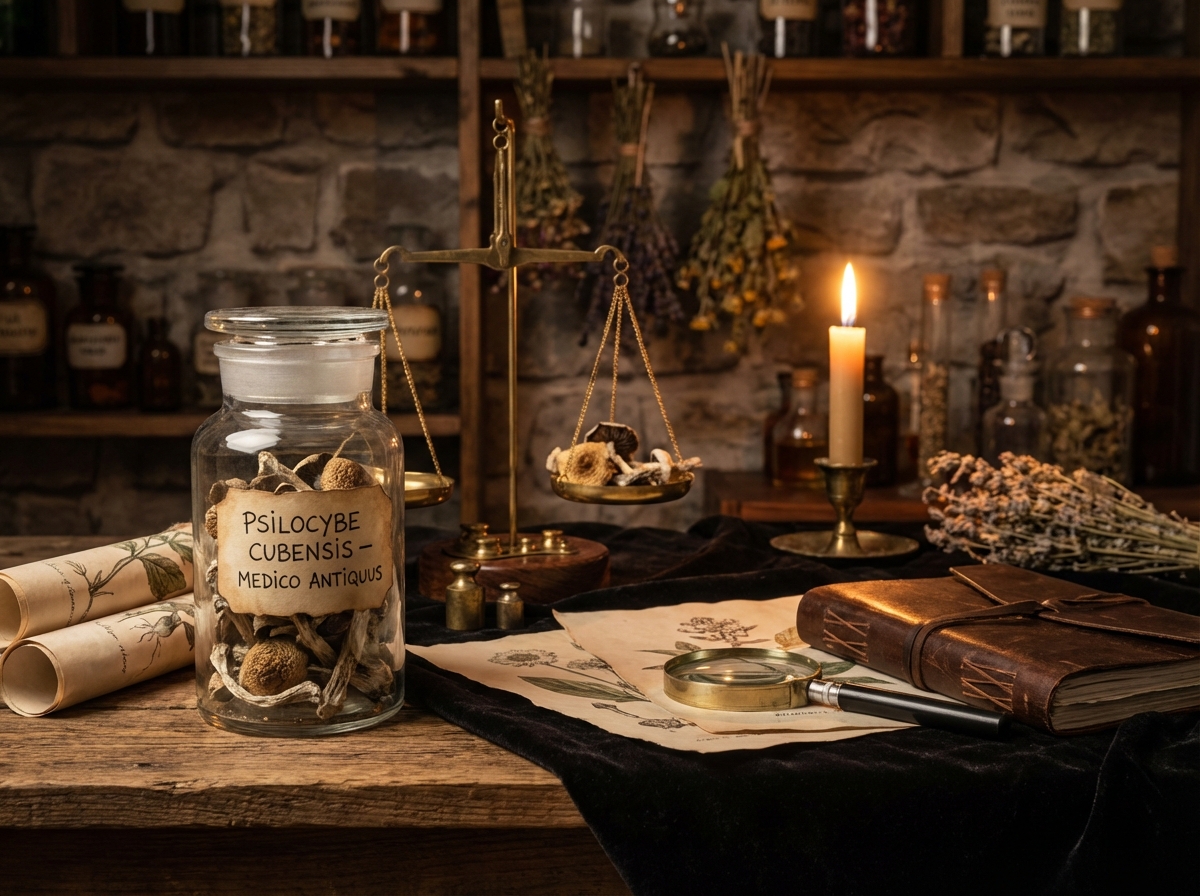
For readers new to the broader picture: every contemporary U.S. psilocybin organization sits downstream of two figures whose 1955 meeting in Huautla de Jiménez, Oaxaca, opened the Western world's exposure to psilocybin mushrooms.
- María Sabina (1894–1985) — the Mazatec curandera who guided the first documented Western velada in 1955. The practicing custodian of a Mazatec tradition of psilocybin use that traces back at least 10,000 years in Mesoamerica. → /people/maria-sabina/
- R. Gordon Wasson (1898–1986) — the J.P. Morgan banker and amateur ethnomycologist whose 1957 LIFE Magazine article "Seeking the Magic Mushroom" introduced the Mazatec tradition to a global audience. → /people/r-gordon-wasson/
Reading the modern movement without the historical context is reading half the story. The 1957 LIFE article is the upstream document. Albert Hofmann isolated psilocybin from Wasson's mushrooms the next year. Timothy Leary read the article in 1960 and went to Mexico himself. The Mazatec community paid the cost of the resulting Western attention. Every entheogenic church, every Oregon service center, every New Jersey hospital pilot is, in some sense, an attempt to grapple with what was started in 1955 — and to do better by it.
8. Global community context
Two global resources worth knowing:
- Portland Psychedelic Society (PPS) — 11,000+ members and 30+ monthly meetings as of 2026. The largest and most active psychedelic society in the United States, and the de facto blueprint for what fully-developed psychedelic community infrastructure looks like.
- Global Psychedelic Society Locator — a master map connecting 100+ independently operated psychedelic societies worldwide. The most comprehensive directory of psychedelic community organizations on the internet, and the most reliable starting point for finding integration circles, mycology clubs, and harm-reduction communities outside the U.S.
- Decriminalize Nature National — the policy node tracking the deprioritization of entheogens in 25+ U.S. cities. The dominant theory of change behind almost every U.S. municipal psilocybin reform of the past five years.
What's next
This update will be followed by per-channel deep dives for each cultivation creator, individual condition-specific clinical trial pages, and updated state pages as 2026 legislative sessions close. The legal landscape is moving faster than most observers predicted — slower than advocates hoped, faster than policy pessimists believed possible. LearnShrooms's job is to keep the picture accurate as it changes.
If you found something here useful, the best follow-on reading depends on what brought you in:
- Clinical participation: start at /therapy/ and pick the condition pages that match your situation.
- Cultivation: the /grow/ hub plus the five YouTube channels above are the highest-leverage entry points.
- State legality: the /laws/ state-by-state hub.
- Policy and movement context: /people/ and /societies/ for the human network behind the reform work.
— LearnShrooms Editorial, April 30, 2026