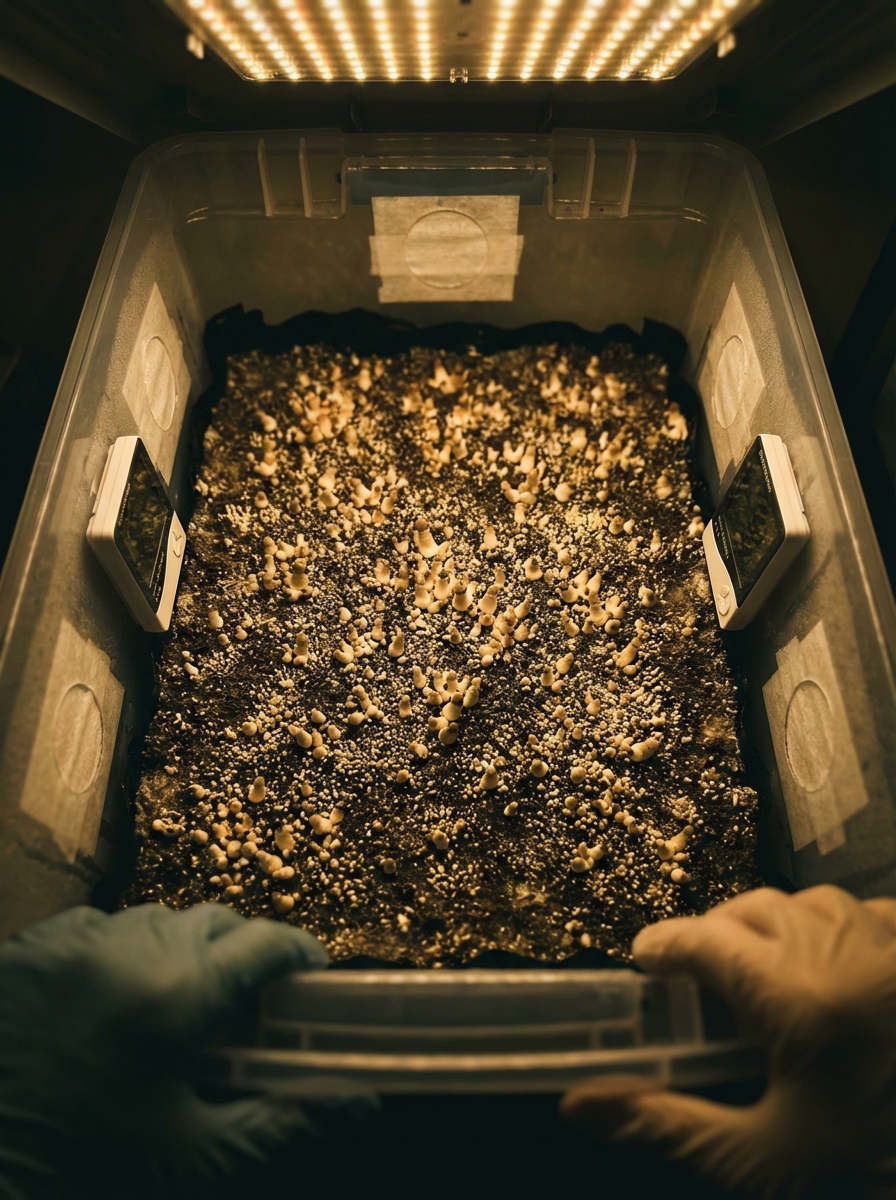
Psilocybe Cubensis Strains: A Beginner's Guide to Potency and Selection
There are hundreds of named Psilocybe cubensis strains — genetic varieties cultivated for different characteristics including potency, colonization speed, fruiting body morphology, and effects. For beginners, this abundance can be paralysing. This guide cuts through it with practical guidance on potency tiers, effects differences, and which strains make sense for different situations.
Does Strain Choice Matter?
Yes, but less than most people think. The most important variables in a psilocybin experience are dose, mindset, and setting — not strain. At matched doses of comparable potency, most cubensis strains produce qualitatively similar experiences.
Strain selection matters primarily for two reasons:
- Potency variation: High-potency strains (Penis Envy family) may be 2–3x more potent than benchmark strains at the same weight. This significantly affects dose.
- Cultivation suitability: Some strains are beginner-friendly; others require advanced technique.
Potency Tiers: A Practical Framework
Tier 1 — Mild to Moderate (below average):
- Hillbilly, B+ (some batches)
- Good for: new users, those who find standard cubensis intense, social or outdoor settings
- Dose: standard cubensis dosing; may need 20–30% more than benchmark strains
Tier 2 — Moderate (average cubensis):
- Golden Teacher, Amazonian, Cambodian, Z-Strain, Lizard King, B+
- Average psilocybin content: 0.5–0.9% dry weight
- Good for: most users; the dose benchmark for cubensis
- Dose: the reference standard
Tier 3 — Moderate-High:
- Malabar Coast, Pink Buffalo, Orissa India, Wollongong, Mazatapec
- Content: 0.7–1.2% dry weight; somewhat stronger than benchmark
- Good for: users with experience at moderate doses who want a step up
- Dose: start at 80% of usual Tier 2 dose
Tier 4 — High Potency:
- Penis Envy, Albino Penis Envy, Tidal Wave, Jack Frost, Yeti
- Content: 1.0–2.5%+ dry weight
- Good for: experienced users who have established tolerance at lower tiers
- Dose: 50–70% of usual Tier 2 dose; PE OG especially can be 2–3x more potent than Golden Teacher
Strain Recommendations by Situation
First experience: Golden Teacher or Amazonian. Reliable, forgiving, moderate potency, widely available.
First grow: Golden Teacher. Most contamination-resistant, most forgiving of beginner mistakes, produces reliably regardless of minor errors.
Therapeutic work, moderate depth: Golden Teacher, Z-Strain, or Mazatapec. Consistent, introspective character at moderate doses.
High-intensity experience (with experience): Tidal Wave (easiest high-potency grow), Penis Envy (harder to grow but iconic), APE (requires agar, very high potency).
Social or recreational at lower doses: B+ or Hillbilly. Warm, euphoric, less likely to produce intense introspection at 1–2g.
The PE Family: Special Considerations
The Penis Envy family of strains (PE OG, APE, Uncut PE, Penis Envy 6, Tidal Wave) is consistently the most potent group in cubensis. A few things make PE different:
Potency: Reliably 1.5–2.5x more potent than Golden Teacher at matched weights. If your standard dose is 3g of GT, start with 1–1.5g of PE OG.
Morphology: Short, stubby, thick-stemmed fruiting bodies with small caps. Spore deposition is less than most strains. PE OG is technically challenging to grow from spore syringe — many growers recommend starting PE work from agar or a proven liquid culture.
Cultivation: More sensitive to contamination, slower colonizer, more specific environmental requirements than beginner strains. Not recommended as a first grow.
Potency Testing Reality
The emerging third-party potency testing ecosystem (Hyphae Cup, High Times Cup, Oakland Hyphae) has produced useful data on strain potency, but important caveats apply:
- Potency varies significantly batch-to-batch within the same strain
- Growing conditions (substrate nutrition, flush number, drying method) affect potency substantially
- Competition samples are typically selected for highest potency, not representative of what most growers achieve
Use testing data as a relative guide to potency tiers, not as precise numbers. Always start lower with any new strain or source.