Psilocybin for Depression: The Complete 2026 Treatment Guide
Depression is the world's most common mental health condition, affecting an estimated 280 million people globally. For a substantial subset — approximately 30%, or 84 million people — standard antidepressants fail to produce adequate response after two or more adequate trials. This population, defined as having treatment-resistant depression (TRD), now has access to a meaningful new option: psilocybin-assisted therapy, supported by the most rigorous clinical trial evidence in psychedelic medicine's history.
This guide covers what we know, what the access pathways look like in 2026, and how to evaluate whether psilocybin is appropriate for your situation.
The Clinical Evidence Base
For Treatment-Resistant Depression (TRD)
The strongest evidence for psilocybin is in TRD — patients who have not responded to two or more adequate antidepressant trials.
COMPASS Pathways Phase 3 (2024–2026)
The largest psilocybin study ever conducted enrolled 900+ participants across 130+ global sites. Interim results show:
- 35–40% response rate (≥50% MADRS reduction) for 25mg COMP360 vs 15–18% for 1mg control
- 25–30% remission rate for 25mg vs 10–13% for control
- 60–65% of initial responders maintaining benefit at 12 weeks
In the context of TRD — patients for whom most treatments have already failed — these numbers are clinically meaningful. The comparison isn't against someone's first antidepressant. It's against the fourth or fifth treatment after everything else has been tried.
Johns Hopkins / NYU Depression Studies
Earlier Phase 2 trials at Johns Hopkins and NYU, published in NEJM and JAMA Psychiatry (2020–2022), showed substantial antidepressant effects in non-TRD patients with major depressive disorder (MDD). These studies used facilitated sessions with significant psychological support, producing response rates of 50–70% in some protocols.
For Non-TRD Major Depression
The evidence for standard MDD (not treatment-resistant) comes primarily from smaller trials with larger psychological support components. Results are promising but this population isn't the current regulatory focus — the FDA approval path runs through TRD.
Mechanisms: Why Does Psilocybin Work for Depression?
Serotonin 2A Receptor Agonism
Psilocin (the active metabolite of psilocybin) is a partial agonist at 5-HT2A receptors. Depression is associated with reduced serotonergic activity and 5-HT2A receptor downregulation; standard SSRIs also target this system but through a different mechanism.
Neuroplasticity
Preclinical evidence shows psilocybin promotes dendritic spine growth and BDNF upregulation in prefrontal cortex regions dysregulated in depression. The persistence of antidepressant effects well beyond the acute psychedelic window suggests structural changes, not just acute neurochemical shifts.
Default Mode Network (DMN) Reset
Depression is associated with hyperactivity of the default mode network — the brain's "self-referential" circuit that generates rumination, negative self-evaluation, and the cognitive patterns central to depressive experience. Psilocybin acutely disrupts DMN connectivity and produces sustained changes in DMN activity that correlate with antidepressant outcomes in neuroimaging studies.
Psychological Mechanism
Beyond pharmacology: the mystical experience quality of high-dose psilocybin sessions — correlating with long-term outcomes in multiple studies — suggests that the psychological content of the experience matters, not only the drug's molecular action. Insights, emotional processing, and the breakdown of rigid thought patterns during the session appear therapeutically active.
Access Pathways in 2026
Oregon Licensed Service Centers
Oregon's Measure 109 created the first US framework for licensed psilocybin services. Available today:
- No diagnosis required — any Oregon adult 21+ can access
- No residency requirement
- Facilitated sessions averaging 6–8 hours
- Total cost: $1,500–$3,500 typical
- Not covered by insurance
Best suited for: adults with depression who want guided access without requiring a clinical diagnosis; those for whom cost is manageable.
Colorado Licensed Healing Centers
Colorado's Prop 122 created a similar framework, with regulated access dependent on current DORA/DOR licensing, local permissions, provider availability, and screening. Similar structure to Oregon, slightly different regulatory details.
Expanded Access / Compassionate Use
The FDA Expanded Access program allows patients with serious conditions to access unapproved treatments through institutional sponsors. Several academic medical centers now have expanded access protocols for psilocybin-assisted therapy for depression. This route requires physician sponsorship and institutional review but provides access to supervised clinical-quality sessions at academic centers.
Active Clinical Trials
Multiple Phase 2 and Phase 3 trials continue to enroll for various depression populations. Participants receive free treatment. Major enrolling institutions:
- UCSF Psychedelic Research Center
- NYU Langone Psychedelic Medicine Program
- Johns Hopkins Psychedelic Research Unit
- Sunstone Therapies (multiple sites)
- COMPASS Pathways global network
Search ClinicalTrials.gov for "psilocybin depression" to find currently enrolling trials near you.
International Options (Legal)
- Netherlands: Legal psilocybin truffles available at retreat centers — Synthesis, Beckley Retreats, others
- Jamaica: Fully legal; multiple professional retreat centers
- Mexico, Costa Rica, Peru: Ceremony-based legal access
Is Psilocybin Right for My Depression?
Good Candidates
Based on current evidence and clinical selection criteria:
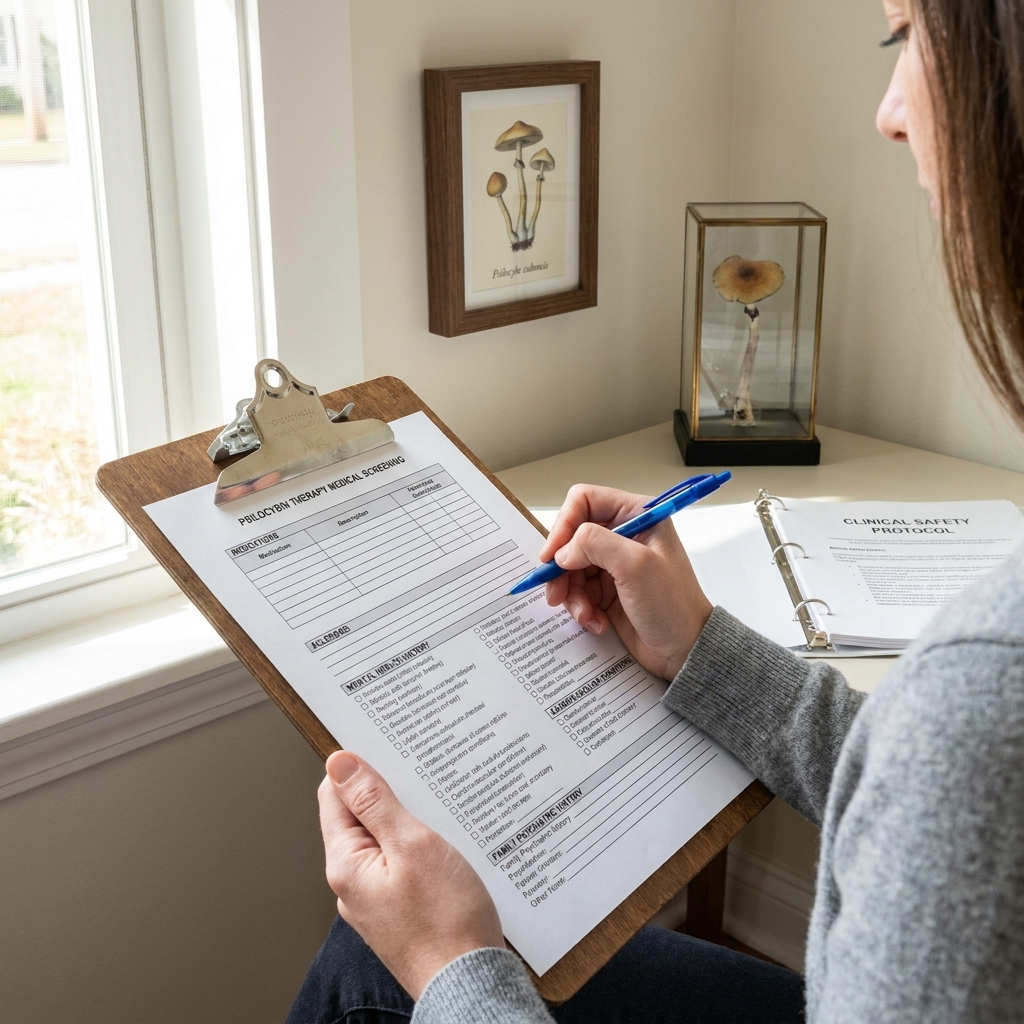
- Adults with TRD who have tried 2+ adequate antidepressant trials without adequate response
- Adults with MDD who prefer a different mechanism to SSRIs/SNRIs
- Adults motivated to engage with psychological preparation and integration work
- Those in stable enough condition to engage with a potentially intense experience
Relative Contraindications
- Active psychotic disorder or high genetic risk for psychosis (first-degree relatives with schizophrenia or bipolar I)
- Current severe suicidality with plan/intent (not passive ideation — this is more nuanced)
- Lithium use (seizure risk in combination)
- Certain cardiovascular conditions — consult a physician
- Unmanaged, severe, treatment-resistant bipolar I
The SSRI Interaction
SSRIs blunt psilocybin's effects through 5-HT2A receptor downregulation. Most clinical protocols require discontinuing SSRIs before psilocybin sessions. This involves a taper (minimum 2 weeks, longer for fluoxetine) supervised by a prescriber. Do not stop an SSRI abruptly without medical supervision. See the SSRI tapering guide for detailed protocols.
What to Expect
Preparation
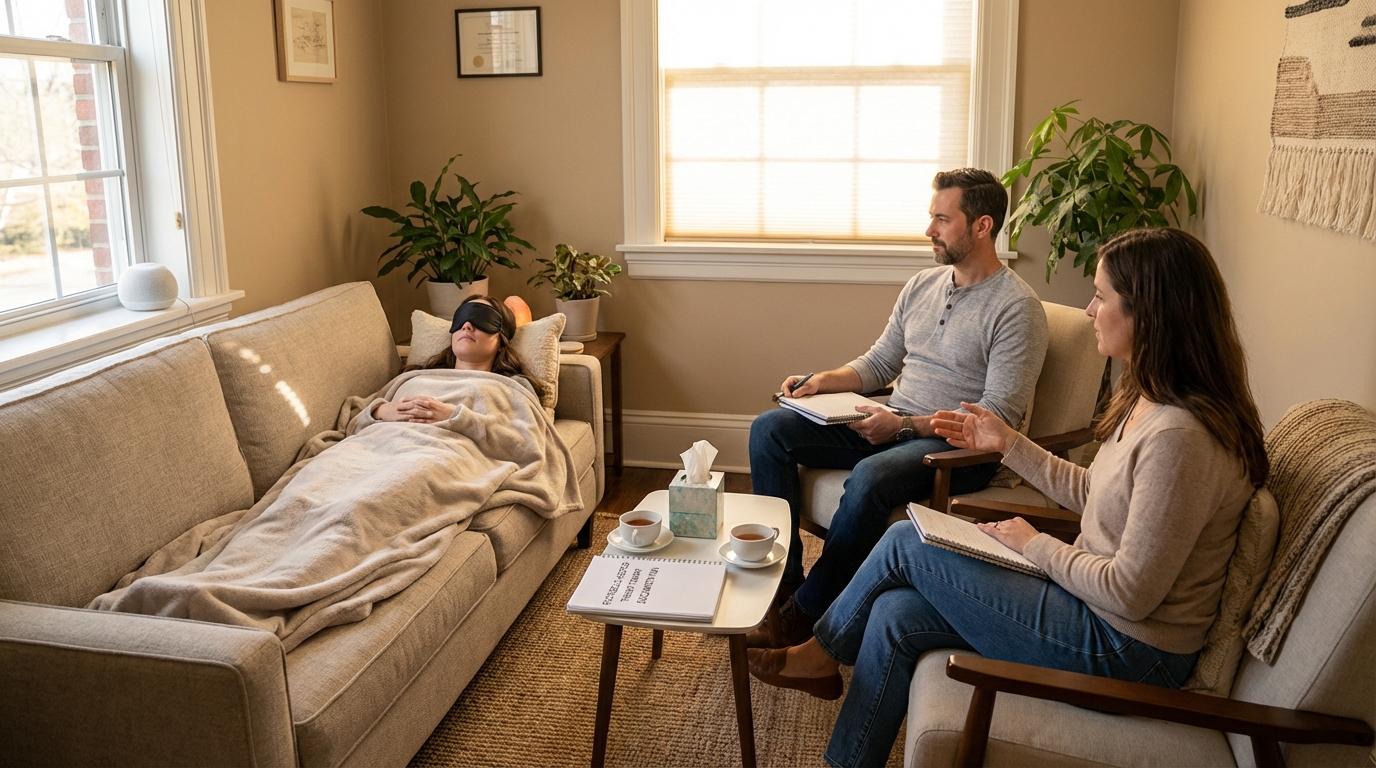
Preparation is not a formality. The clinical evidence suggests that preparedness — specifically psychological readiness and intention clarity — correlates with outcomes. Expect 2–4 preparation sessions with a facilitator before any medicine session.
The Session
A typical therapeutic session:
- Duration: 6–8 hours
- Eyeshades + curated music typically used
- Facilitator present throughout but non-directive
- Dose: 25mg synthetic or approximately 2.5g equivalent
- Setting: reclining position in a calm, private room
Integration
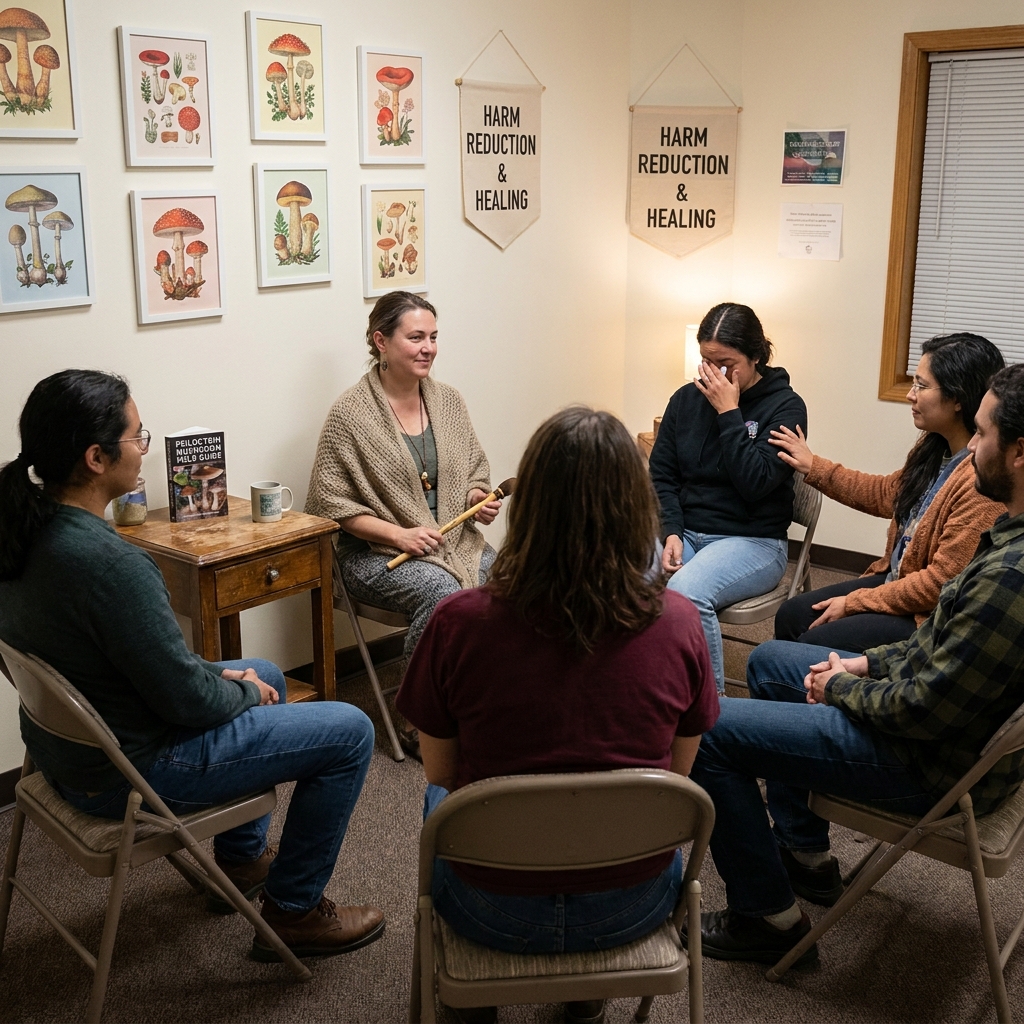
The session is the beginning of the work, not the completion of it. Integration — processing the experience's content and translating insight into behavioral change — is what produces lasting benefit. Plan for multiple integration sessions (at least 3–6) and ongoing therapy support.
What FDA Approval Would Change
COMPASS expects to submit an NDA in late 2026 with a PDUFA date (FDA decision deadline) in late 2027 or 2028. If approved:
- Psilocybin rescheduled from I (no accepted medical use) to II or III
- Legal prescribing by licensed physicians outside of state programs
- Insurance coverage pathway begins (likely years later)
- Clinical delivery would still require licensed facilities and trained staff — not a take-home prescription
FDA approval would not end the Oregon and Colorado programs; it would supplement them with a federally licensed clinical pathway.
The Bottom Line
Psilocybin is a real, evidence-based treatment option for depression in 2026 — particularly treatment-resistant depression. The clinical trial evidence is strong, the regulatory path is clearer than it has ever been, and access exists through state programs, trials, and international retreats.
The primary barrier is cost and access equity: at $1,500–$3,500 out of pocket with no insurance coverage, it remains inaccessible to most Americans who could benefit. That structural problem is the field's most important unsolved challenge.
See also: COMPASS Phase 3 Results · Oregon Program Review · Therapy Cost Breakdown