Microdosing Psilocybin: What the Science Says in 2026
Microdosing — taking sub-perceptual doses of a psychedelic on a regular schedule — has attracted enormous popular interest since James Fadiman popularized the practice around 2011. In 2026, we have substantially more data than we did five years ago. This guide separates what the research actually shows from what is self-reported anecdote.
What Is a Microdose?
A microdose of psilocybin mushrooms is typically 0.05–0.3g dried — roughly 1/10th of a standard recreational dose. At this dose range:
- No visual effects or perceptual distortions
- No impairment of work, driving, or social function
- Subjective reports vary widely: increased focus, better mood, emotional stability, reduced anxiety, improved creativity
The defining characteristic is sub-threshold: you should not "feel" the mushrooms in any dramatic way. If you feel the mushrooms, the dose is too high for microdosing purposes.
Common Protocols
Fadiman Protocol: 1 day on, 2 days off (dose every 3rd day). The most widely used schedule; designed to avoid tolerance buildup.
Stamets Stack: 5 days on, 2 days off. Includes lion's mane mushroom and niacin in addition to psilocybin — a proprietary combination Paul Stamets developed based on theoretical neuroplasticity mechanisms. Not yet clinically validated as a combination.
Intuitive Dosing: As-needed, typically 2–3x per week based on personal assessment. Less structured; useful for people who've already established their dose range.
Every Other Day: 1 day on, 1 day off. More frequent than Fadiman; some users prefer this for mood consistency.
What the Research Actually Shows
Observational data is promising but limited:
- 2021 Vince Polito/Richard Stevenson study (n=98, longitudinal): Self-reported improvements in depression, stress, and distractedness; some reports of increased neuroticism in a subset. No control group.
- 2022 Imperial College London RCT (n=34): Compared microdosing vs. placebo in a rigorous blinded design. Results: psychological flexibility improved in both groups similarly — suggesting significant placebo effect. A subset showed meaningful benefit.
- 2021 PLOS One naturalistic study (n=953): Large online survey showing self-reported improvements across mental health and creativity measures. Significant expectancy confound.
- 2023 University of Toronto RCT (n=40): One of the first well-controlled trials. Found significant improvement in emotional blunting (a common SSRI side effect) in microdosers compared to placebo. Promising for people seeking emotional richness alongside antidepressant treatment.
What the evidence shows: Strong self-report data with significant placebo effects. Some randomized data suggesting real effects for specific outcomes (emotional blunting, flexibility). No large Phase 2/3 trials yet.
What the evidence does not show: That microdosing works reliably for everyone, that specific protocols are superior, or that the effects are stable long-term.
Who Microdoses and Why
Survey data (Vince Polito, Microdose.me, Imperial College datasets) suggests:
- Most common goals: Improved mood (78%), increased focus/concentration (53%), creativity (48%), reduced anxiety (42%)
- Most common users: Knowledge workers, creative professionals, people with treatment-resistant depression, ADHD, PTSD
- Most common negative effects: Anxiety/nervousness (reported by ~20%), emotional intensity on dose days, trouble sleeping if taken late
Risks and Cautions
Tolerance: Psilocybin builds rapid tolerance. Protocols that dose too frequently (daily) see diminishing returns within a week. The 1-on-2-off pattern is designed to avoid this.
Workplace drug testing: Psilocybin and its metabolites appear on some drug tests (particularly urine tests). Legal status in most jurisdictions means this creates real employment risk.
Medication interactions: Same interactions apply as for full-dose psilocybin. MAOIs, lithium, and SSRIs are the critical ones to discuss with a physician before combining.
Psychiatric risk: Microdosing has lower risk than full-dose use, but the same contraindications apply — personal or family history of psychosis, bipolar I, schizophrenia spectrum disorder. The risk is lower at sub-threshold doses but not zero, particularly for people genetically predisposed to psychotic illness.
Valvular heart disease: Repeated serotonin agonist stimulation (as with chronic agonist medications) is a theoretical concern. No confirmed cases in microdosers, but people with pre-existing valvular disease should discuss with their cardiologist.
Finding Your Dose
Start low: 0.05–0.1g for the first several doses. You can always increase; you can't un-take a dose that's too high.
Assess on dose days: Are you clearly perceiving the mushrooms? If so, the dose is too high for microdosing. Reduce.
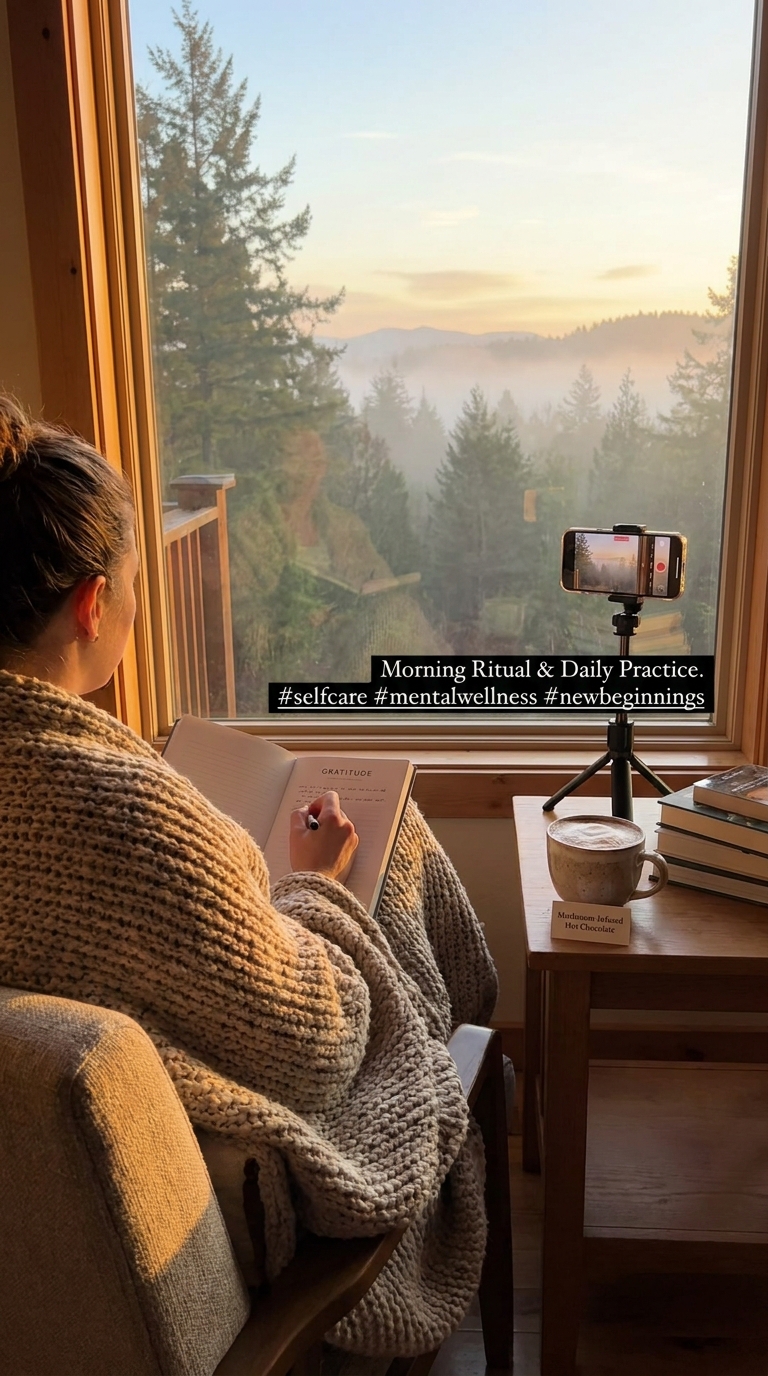
Track consistently: Use a journal to record mood, energy, focus, anxiety, and sleep quality. Without tracking, it's very difficult to attribute changes to microdosing vs. life circumstances.
Take breaks: Even well-designed protocols benefit from 1–2 month breaks to prevent psychological habituation and reassess whether you're still getting benefit.
Resources
- Fadiman, The Psychedelic Explorer's Guide: The original practical microdosing guide
- Polito & Stevenson (2019): "A systematic study of microdosing psychedelics" — PLOS One
- Microdose.me: Large-scale longitudinal self-reporting tracker
- Psychedelic Alpha: psychedelicalpha.com — regulatory and research news