Psychedelic-Assisted Couples Therapy: What Early Research Shows
Individual psilocybin therapy has dominated the clinical research landscape. But an emerging area — psychedelic-assisted couples and relational therapy — is producing early pilot data with significant implications for how we think about using these medicines in relational healing.
The Clinical Rationale
Attachment theory and relational trauma research suggest that many individual psychological difficulties have relational origins. Chronic depression, anxiety, addiction, and PTSD are frequently rooted in disrupted attachment relationships — and they play out in present-day relational patterns. The idea behind couples and relational psychedelic therapy: addressing these patterns directly, in the relational space where they're most active.
Several converging factors make psychedelic states potentially valuable for relational work:
Reduced defensive posturing: Psilocybin's suppression of the default mode network reduces the self-protective, identity-defending mental activity that makes difficult relational conversations so fraught. People in psychedelic states often report genuine curiosity about partners' perspectives rather than reactive defense.
Increased emotional expressiveness: Many people find emotional material more accessible during psychedelic states — tears, laughter, and authentic self-disclosure come more easily. This can create windows for the kind of vulnerable communication that relational repair requires.
The shared experience effect: Undergoing an intense experience together, even separately (separate sessions in the same space), creates a shared reference point that can break chronic relational stalemates.
What the Research Shows
MDMA-assisted couples therapy has the most data. A pilot study from the Medical University of South Carolina (Monson et al., 2022) examined MDMA-assisted sessions with couples where one or both partners had PTSD. Results showed significant reductions in PTSD symptoms and improvement in relationship functioning. The shared therapeutic session format appeared particularly effective.
Psilocybin relational research is at an earlier stage. Several research groups have begun pilot studies examining psilocybin in couples therapy contexts. Imperial College London has an ongoing study examining psilocybin with couples in relationship distress. The University of Zurich has examined how psilocybin affects social cognition and prosocial behavior (relevant to relational capacity even in individual sessions).
Observational data from legal settings: Oregon service center facilitators who work with couples or individuals on relational material are beginning to document patterns. Anecdotally, the most common reported themes in relationship-focused sessions include: accessing grief about the relationship's evolution, experiencing empathy for the partner's experience, and clarity about what the person actually wants from the relationship — distinct from what they've been telling themselves they want.
Clinical Formats Being Explored
Individual sessions for relational themes: Standard individual psilocybin sessions with integration work focused on relational patterns and attachment. Useful for addressing one person's contribution to a relational dynamic.
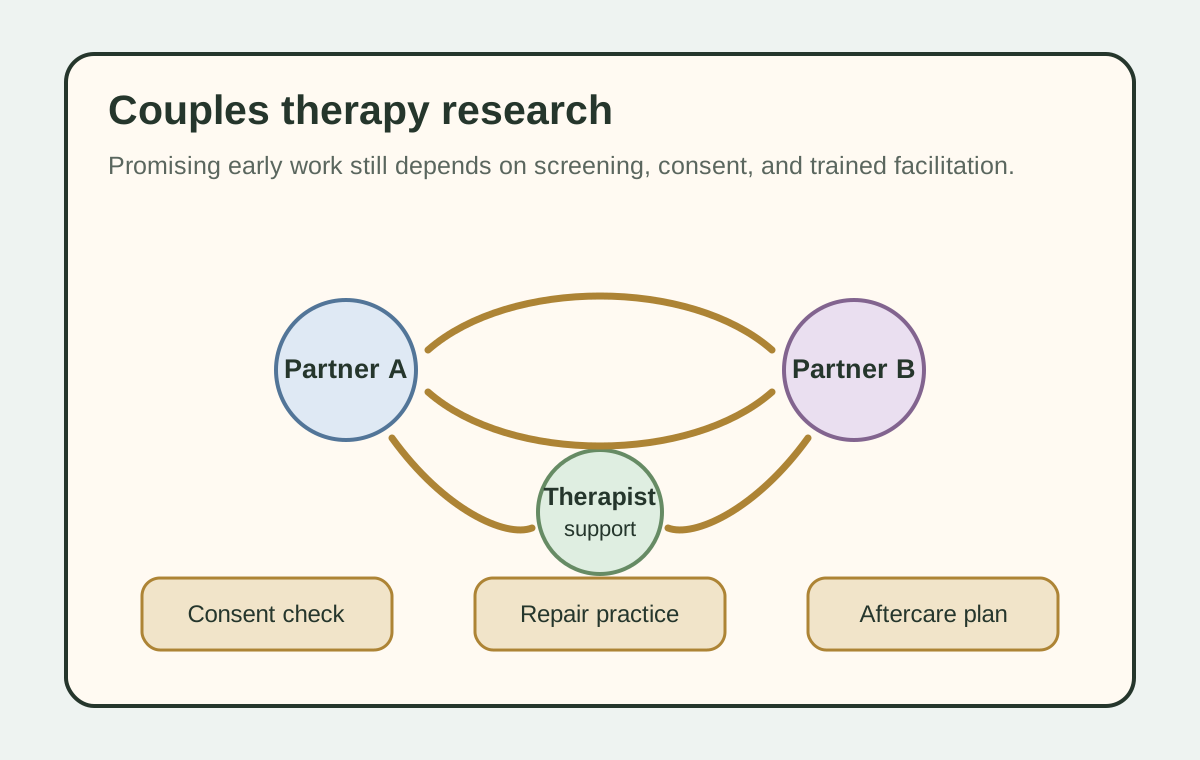
Parallel sessions: Two partners undergo separate psilocybin sessions in the same space, with facilitators attending to each. They may not interact during the peak but share the space and later share the experience in a facilitated group.
Sequential individual sessions with couples integration: Each partner has an individual session in sequence, with couples integration therapy between and after sessions. Less intensive but more logistically manageable.
MDMA-assisted couples sessions: MDMA, rather than psilocybin, has shown more directly applicable data for relational contexts because it specifically increases prosocial bonding and emotional openness in ways psilocybin does not always reproduce.
Who This Research Is For
Early data suggests potential benefit for:
- Couples where one or both partners carry trauma that affects the relationship
- Long-term partnerships in stagnant or disconnected phases
- Couples navigating major life transitions (illness, infertility, grief, career loss)
- Relational difficulties rooted in attachment patterns from early life
It is not appropriate for:
- Relationships with active domestic violence or coercive control
- Relationships where one partner is coercing the other into participation
- Acute crisis situations
Access in 2026
Oregon service centers can work with couples if both partners are willing clients. Facilitators with couples therapy backgrounds are a meaningful subset of the licensed facilitator workforce. Some centers specifically advertise relational and couples work. MDMA-assisted couples therapy remains in research trials — not yet available at licensed service centers, which are psilocybin-only.
Resources
- MAPS MDMA Therapy: Most advanced research on relational psychedelic therapy
- Imperial College Couples Psilocybin Study: Active research — check ClinicalTrials.gov for recruiting status
- Psychedelic Support Directory: Therapists with couples and relational focus