Ibogaine vs. Psilocybin: Two Different Approaches to Addiction Treatment
Both ibogaine and psilocybin have produced remarkable results in addiction treatment research. But they work through different mechanisms, target different addictions most effectively, carry different risk profiles, and are in very different stages of regulatory development. This is a clear comparison.
The Mechanism Difference
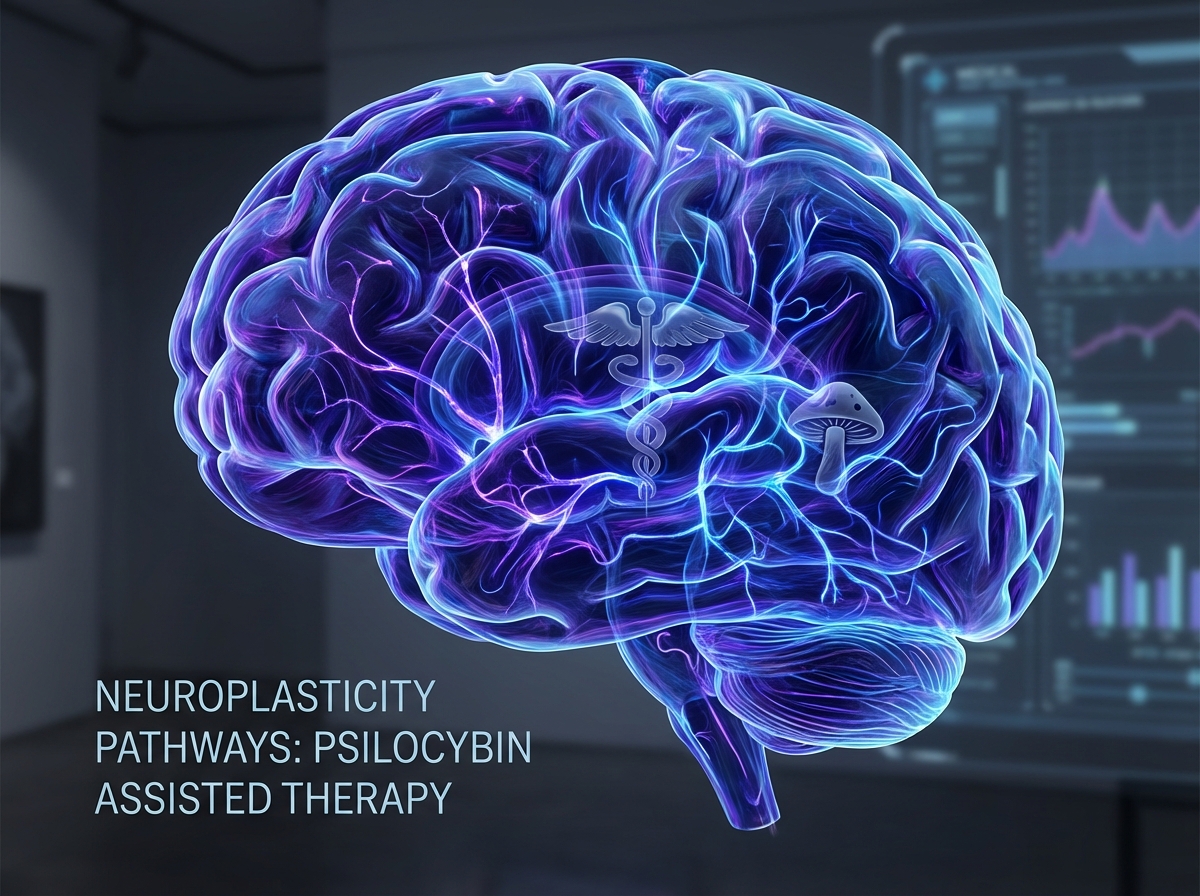
Psilocybin: Acts primarily as a 5-HT2A serotonin receptor agonist. Produces a 4–6 hour altered state characterized by visual experience, ego dissolution, emotional openness, and the mystical-type experience that predicts therapeutic benefit. Physiologically very safe — no documented deaths from psilocybin alone, no cardiovascular toxicity at therapeutic doses.
Ibogaine: Multi-target alkaloid with complex pharmacology — acts on opioid receptors, NMDA receptors, dopamine and serotonin systems simultaneously. Produces a 24–36 hour experience characterized by intense dreamlike visual experience and autobiographical memory revisiting. Carries real cardiovascular risk: ibogaine can cause fatal arrhythmia, particularly QT prolongation. Cardiac screening before administration is essential. Not physiologically safe to administer without monitoring.
Addiction Target Comparison
Psilocybin strongest evidence: Alcohol use disorder, tobacco/nicotine dependence. Johns Hopkins alcohol trials showed 83% abstinence or significant reduction at 32 weeks. Tobacco cessation data: 80% abstinence at 6 months, highest rate of any intervention studied.
Ibogaine strongest evidence: Opioid use disorder — particularly opioid withdrawal interruption. Single high-dose ibogaine sessions in clinic settings produce dramatic reduction in withdrawal symptoms and extended abstinence in many patients. Often described as "interrupting" the addiction in a way psilocybin does not.
For opioid addiction specifically, ibogaine's record is arguably more immediately dramatic — though with substantially higher medical risk.
Legal Status in the US
Psilocybin: Schedule I federally; legal for supervised use in Oregon (21+) and Colorado (21+). Active Breakthrough Therapy designation from FDA for depression.
Ibogaine: Schedule I federally; no US state has legalized therapeutic access. Commonly accessed in Mexico and other international jurisdictions. Colorado's Proposition 122 (2022) nominally included ibogaine in its decriminalization provisions but healing center access remains pending.
FDA trajectory: Psilocybin is in Phase 3 trials and closer to potential rescheduling or approval. Ibogaine is in earlier-stage research; MAPS and other organizations are pursuing regulatory pathways, but cardiac safety requirements significantly complicate the approval pathway.
Who Each Is Better Suited For
Consider psilocybin if: You are addressing alcohol or tobacco dependence, you have no history of cardiac conditions, you are seeking a shorter and more manageable altered state experience, you want access within US legal frameworks.
Consider ibogaine if: You are specifically addressing opioid dependence, you have access to a reputable clinic with cardiac monitoring, you understand and accept the higher risk profile, you are willing to travel internationally.
Do not combine: Combining ibogaine and psilocybin, or ibogaine with serotonergic substances, carries serious pharmacological risk. These should not be used together.
Where the Research Is Heading
Several research organizations are pursuing both substances simultaneously. MAPS and other groups are working to establish safe ibogaine treatment protocols — the cardiac risk is addressable with proper screening and monitoring. The University of California San Francisco has an active ibogaine research program. For psilocybin, FDA Phase 3 trials continue with COMPASS Pathways and Usona Institute.