Psilocybin vs. Ketamine: A Clinical Comparison for Depression
Two compounds have emerged as the most evidence-supported rapid or novel antidepressants beyond traditional SSRIs: ketamine and psilocybin. They approach depression through entirely different mechanisms, produce qualitatively different experiences...
Psilocybin vs. Ketamine: A Clinical Comparison for Depression
Two compounds have emerged as the most evidence-supported rapid or novel antidepressants beyond traditional SSRIs: ketamine and psilocybin. They approach depression through entirely different mechanisms, produce qualitatively different experiences, have vastly different regulatory status, and suit different patient profiles. This comparison is intended to help patients and clinicians think clearly about which approach is most appropriate for a given situation.
Mechanism of Action
Ketamine: NMDA (N-methyl-D-aspartate) receptor antagonist. Blocks glutamate signaling at NMDA receptors, producing a rapid cascade that increases synaptic glutamate, triggers AMPA receptor activation, and stimulates BDNF (Brain-Derived Neurotrophic Factor) release within hours. The result is rapid synaptogenesis — new synaptic connections in the prefrontal cortex within 24 hours. The subjective experience (dissociation, floating, visual distortion) is a side effect of the NMDA blockade, not the mechanism of therapeutic action.
Psilocybin: Serotonin 2A agonist. Acts primarily at 5-HT2A receptors in the prefrontal cortex, disrupts the default mode network, and produces the psychedelic state. Also stimulates BDNF, but over a longer timescale. The subjective experience — the psychedelic state itself — is considered integral to the therapeutic mechanism, not incidental. The mystical experience quality is the strongest predictor of therapeutic outcome in clinical trials.
Onset and Duration
| Factor | Ketamine | Psilocybin | |--------|----------|------------| | Onset of antidepressant effect | Hours to 1 day | Days to 2 weeks | | Duration of single treatment effect | Days to weeks | Months to years | | Maintenance dosing needed | Often yes | Rarely in clinical trials | | Session length | 45–60 minutes (IV) | 4–6 hours |
The Hopkins TRD (Treatment-Resistant Depression) trial found 71% response rate and 54% remission at 1 month after two psilocybin sessions. The 12-month data showed many participants maintained improvement without repeat sessions.
Regulatory Status and Access
Ketamine:
- FDA-approved (esketamine/Spravato, 2019) for treatment-resistant depression
- Available at ketamine infusion clinics in most US states
- Some insurance coverage for esketamine
- IV ketamine is off-label but widely available
- No research trial required
Psilocybin:
- Schedule I controlled substance federally
- Not FDA-approved as of 2026
- Legal access via Oregon licensed service centers, Colorado's program (developing)
- Clinical trials (free but selective)
- International options: Netherlands, Jamaica, some Caribbean centers
The Experience
Ketamine session: 45–60 minutes. Dissociative state — detachment from body and environment. May include mild visual effects. Often described as floating, depersonalized, or dream-like. Many patients find it neutral or pleasant; some find it disorienting. The experience is not therapeutic in itself; it is the pharmacological gateway to the downstream antidepressant effect.
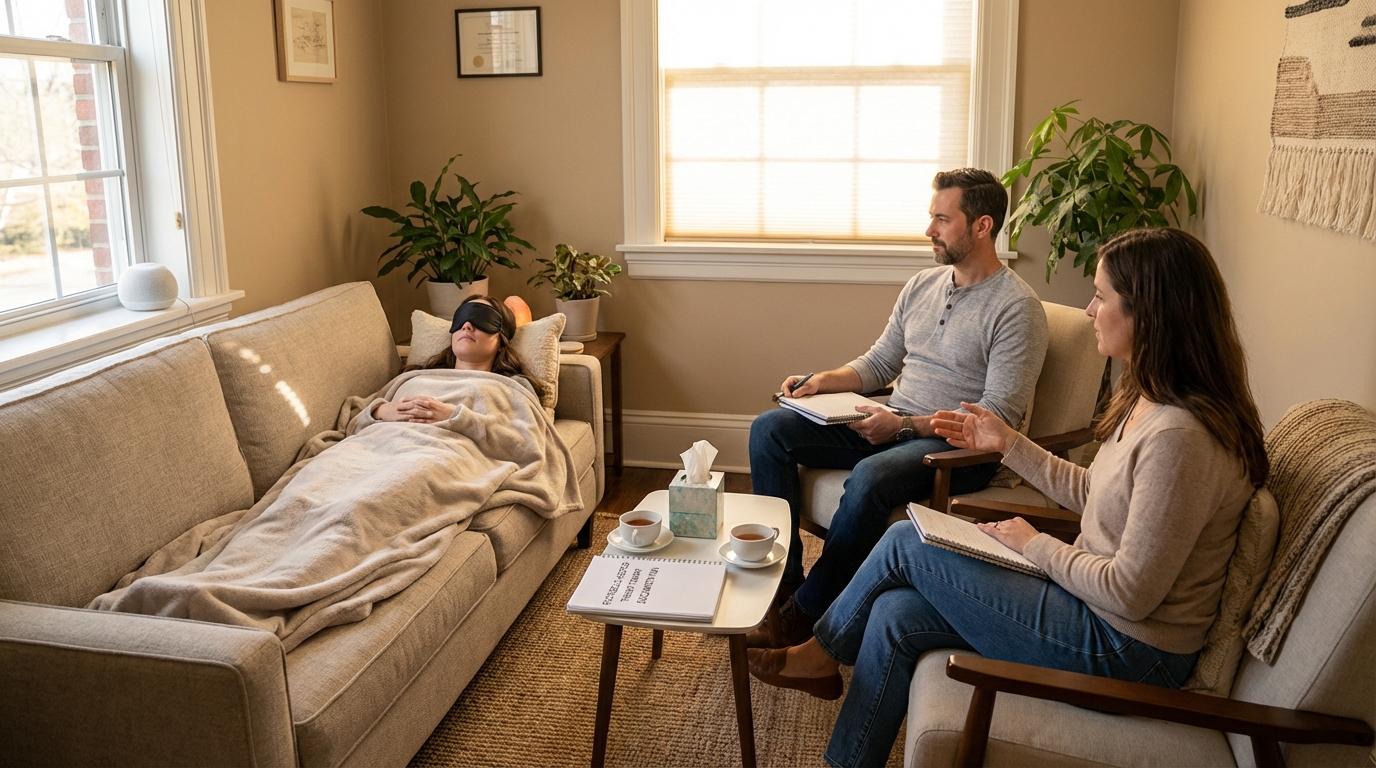
Psilocybin session: 4–6 hours. Psychedelic state — perceptual alterations, emotional amplification, potential for deeply meaningful experiences, confrontation of psychological material. The experience is considered part of the therapy, not just a side effect. Most patients in clinical trials rate the experience as one of the most meaningful of their lives.
Patient Suitability
Ketamine is typically preferred when:
- Acute suicidality requires rapid intervention
- The patient cannot tolerate a 4–6 hour psychedelic session
- Patient has limited interest in psychological engagement with the experience
- Medical complexity requires shorter session
- Psilocybin contraindications exist (certain psychiatric histories)
Psilocybin is typically preferred when:
- The goal is lasting behavioral/psychological change rather than symptom suppression
- The patient is willing and able to engage in preparation and integration work
- Addiction comorbidity (psilocybin has broader spectrum across addiction and depression)
- Patient is motivated by transformative experience rather than just medication-style relief
- Tolerance to ketamine has developed
Safety and Risks
Ketamine risks: Dissociative cognitive effects during session, potential for misuse (Schedule III, limited abuse potential at clinical doses), bladder toxicity with heavy recreational use (not a clinical concern at standard doses), blood pressure elevation.
Psilocybin risks: Psychological difficulty during session (manageable with proper preparation and support), contraindicated in personal/family history of psychosis or schizophrenia, no physiological toxicity at clinical doses, essentially no physical abuse potential.
Combination and Sequencing
Some clinicians are exploring ketamine first (for acute relief) followed by psilocybin (for deeper psychological work) in appropriately selected patients. No formal clinical trials have examined this sequencing, but the mechanistic logic is coherent. Simultaneous use is not studied and not recommended.