
Veterans need access, but access is not the same as approval
Veterans are central to the psychedelic access conversation because PTSD, depression, alcohol use disorder, traumatic brain injury, moral injury, chronic pain, and suicide risk overlap in real lives. Psilocybin and other psychedelic therapies may eventually become part of veteran mental health care. In 2026, though, the access picture is still uneven.
This guide is for veterans, spouses, caregivers, and advocates trying to tell the difference between research, legal state programs, nonprofit retreats, underground claims, and ordinary hype. It is not medical advice, legal advice, or a recommendation to use psilocybin. If you are in crisis, call or text 988. Veterans can call 988 and press 1, text 838255, or use Veterans Crisis Line chat.
Use this with LearnShrooms' veterans page, PTSD guide, clinical trials guide, and crisis resources.
What changed in 2026
The Department of Veterans Affairs announced a randomized, placebo-controlled trial of MDMA-assisted therapy for veterans with PTSD and alcohol use disorder at VA Providence, with recruitment connected to VA Providence and VA Connecticut. The VA announcement also stated that clinical use of these therapies outside research would only be considered by VA once FDA approval is granted.
That is a useful anchor. VA is studying psychedelic-assisted therapy. FDA breakthrough therapy designations have existed for several psychedelic substances. But VA clinical access is not the same as VA research access. A veteran cannot simply request psilocybin from VA as an approved PTSD treatment in 2026.
Psilocybin evidence for PTSD is earlier than MDMA evidence
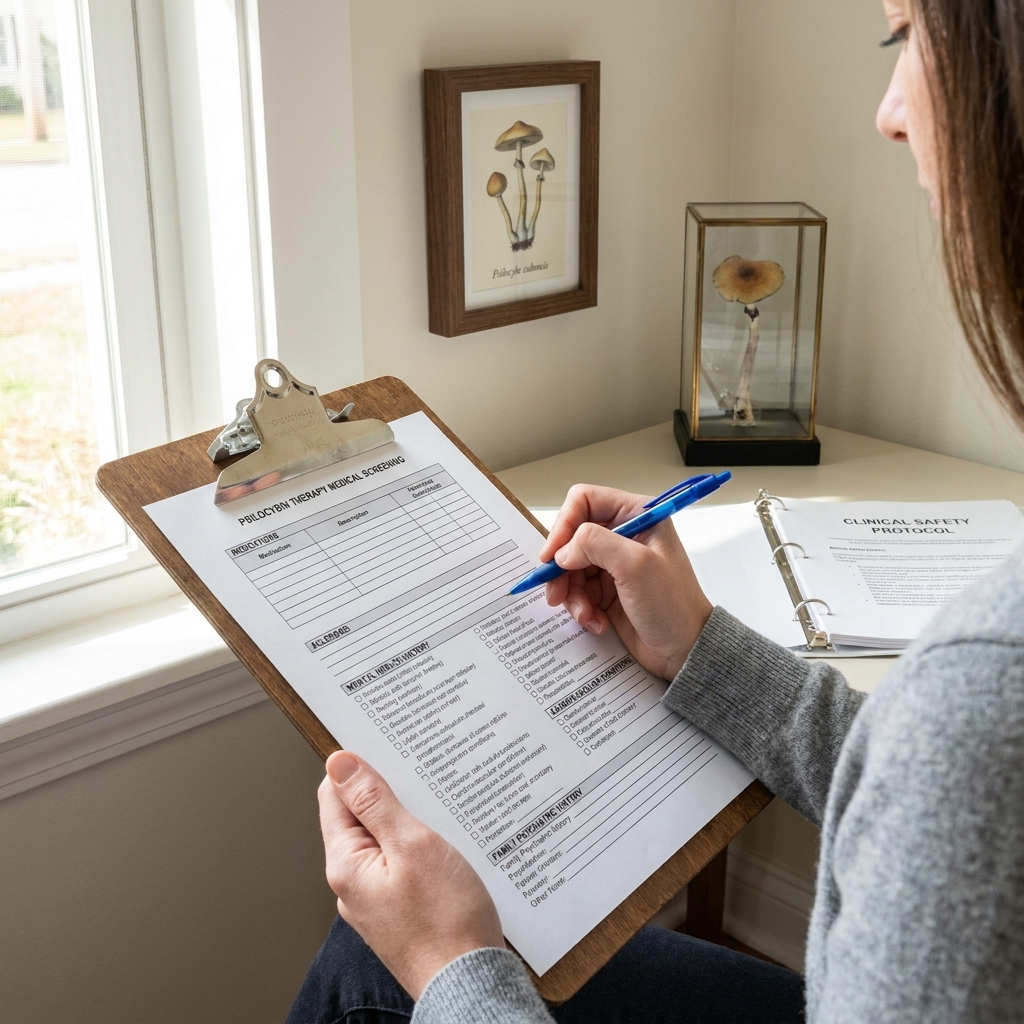
VA's National Center for PTSD notes that psilocybin research for PTSD is at an earlier stage than the MDMA-assisted therapy evidence base. The VA page also points out the need for more studies with veteran participants, larger and more diverse samples, and VA medical-setting research.
That does not mean psilocybin is irrelevant. It means the honest answer is still cautious. Psilocybin research is stronger for some depression and end-of-life distress questions than it is for PTSD-specific veteran care. PTSD treatment also carries trauma-specific risks: destabilization, dissociation, panic, shame spirals, insomnia, substance relapse, and suicidal thinking can all worsen if preparation and integration are weak.
Current access lanes for veterans
Clinical trials
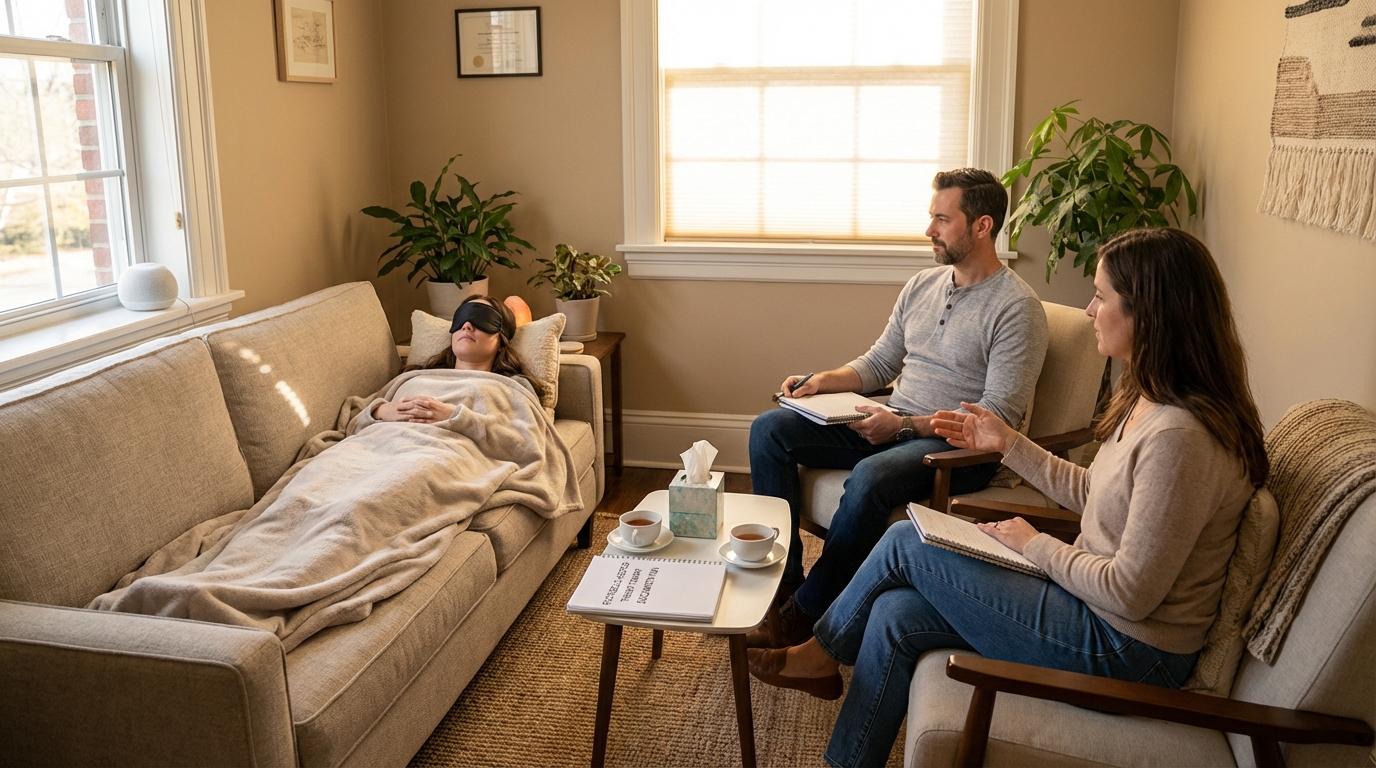
Clinical trials are the most medically structured access path. They may study psilocybin, MDMA, or related therapies. They have strict criteria, and not every veteran will qualify. The upside is oversight, screening, and contribution to the evidence base.
Start with ClinicalTrials.gov and VA research announcements.
Oregon and Colorado
Veterans can pursue legal supervised psilocybin services in Oregon and Colorado if they meet the program's requirements. These are not VA benefits, and they are usually self-pay. Verify providers carefully using the provider verification checklist.
Nonprofit veteran programs
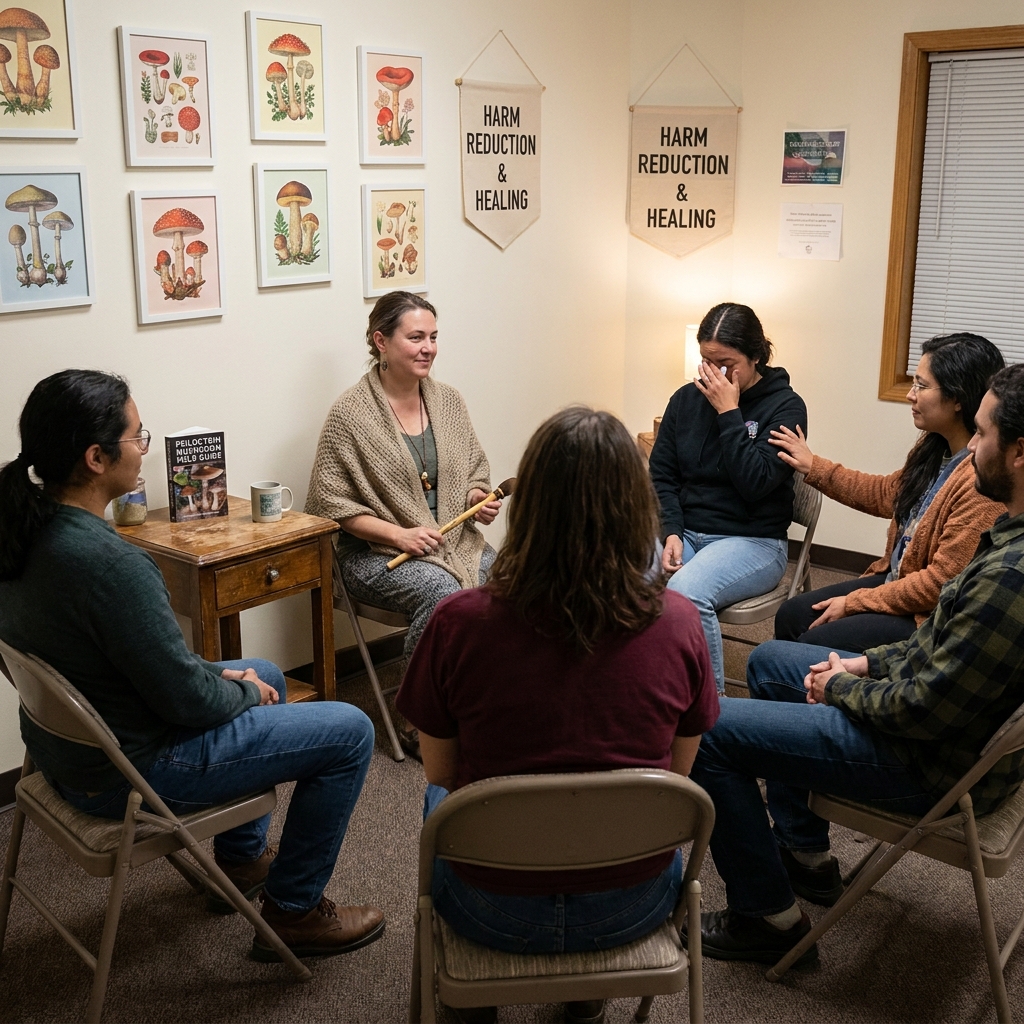
Organizations such as Heroic Hearts Project, The Mission Within, and VETS have worked on veteran psychedelic access, research, retreats, or advocacy. These programs vary by substance, country, legal model, screening process, cost, and aftercare. Some programs may use psilocybin in domestic legal settings; others may involve ayahuasca, ibogaine, ketamine, or international retreats.
Do not assume "veteran nonprofit" means "clinically appropriate for me." Ask about legal status, medical screening, PTSD experience, suicide-risk protocol, substance-use exclusions, family support, integration, and emergency planning.
Integration support
Integration can be helpful whether a psychedelic experience happened legally, abroad, underground, or years ago. A licensed therapist can help process trauma material without providing psilocybin. For many veterans, integration and conventional trauma therapy may be the safer starting point.
Questions veterans should ask before any program
- Does this program screen for current suicidal thoughts?
- What happens if I become suicidal after the session?
- How do you screen for bipolar disorder, psychosis, seizure risk, cardiovascular risk, and traumatic brain injury?
- Do you screen for alcohol, benzodiazepine, opioid, stimulant, or cannabis dependence?
- What medications require medical clearance?
- Are clinicians involved, or is this peer support, coaching, spiritual care, or facilitation?
- Is my spouse, caregiver, or trusted support person included?
- What support exists 1 week, 1 month, and 3 months later?
- What is the total cost?
- Is the setting legal where it happens?
The aftercare questions matter as much as the ceremony questions.
Special caution: PTSD plus substance use
Many veterans exploring psychedelics are also navigating alcohol use, opioids, benzodiazepines, stimulants, cannabis, sleep medications, or antidepressants. This does not make someone unworthy of care. It does mean the plan needs medical honesty.
Do not hide substance use from a provider to avoid being screened out. Being screened out of a psilocybin session may be frustrating, but it is better than entering a session that the team cannot safely support.
Crisis language belongs up front
Psychedelic experiences can surface grief, guilt, fear, rage, survivor's guilt, and traumatic memory. If you are actively suicidal, recently hospitalized, manic, psychotic, severely sleep deprived, or unable to stay safe, seek ordinary crisis care first. Psilocybin is not emergency care.
If a provider frames psychedelics as a last chance or a guaranteed cure for veteran suicide, that is dangerous marketing. Veterans deserve hope without coercion.
Bottom line
The veteran access story in 2026 is hopeful but not simple. VA research is moving. State programs exist. Nonprofits are active. But psilocybin for veteran PTSD is not a routine VA treatment, not federally approved, and not safe for every person at every moment.
The best path is verified, medically screened, trauma-informed, legal, and integrated with ongoing support. Anything less deserves careful questioning.