

A COA is a clue, not a guarantee
Mushroom product labels can look scientific without being very informative. A QR code, a lab logo, or a clean product photo does not prove the product is safe, legal, accurately dosed, or appropriate for your body.
This guide teaches basic label and Certificate of Analysis literacy for mushroom products, including legal psilocybin products, unregulated mushroom edibles, functional mushroom supplements, Amanita products, and grey-market "microdose" claims. It is not legal advice, medical advice, or a recommendation to purchase controlled substances.
Use it with LearnShrooms' Products, Amanita buyer-beware guide, potency myths guide, and drug interaction guide.
First question: what kind of product is it?
Before reading the COA, identify the category:
| Product type | What matters most | |---|---| | Licensed psilocybin product | State license, batch testing, serving rules, legal setting | | Unregulated psilocybin edible | Legal risk, adulteration risk, dose uncertainty | | Amanita product | Muscimol and ibotenic acid transparency, FDA safety warning | | Functional mushroom supplement | Species, extract ratio, beta-glucan content, heavy metals | | "Mushroom blend" candy | Exact ingredients, adulterant testing, child-resistant packaging | | Spores or grow supplies | Legal status by state, no psilocybin-containing material |
If the label makes it impossible to tell which category you are holding, do not treat that as a harmless mystery.
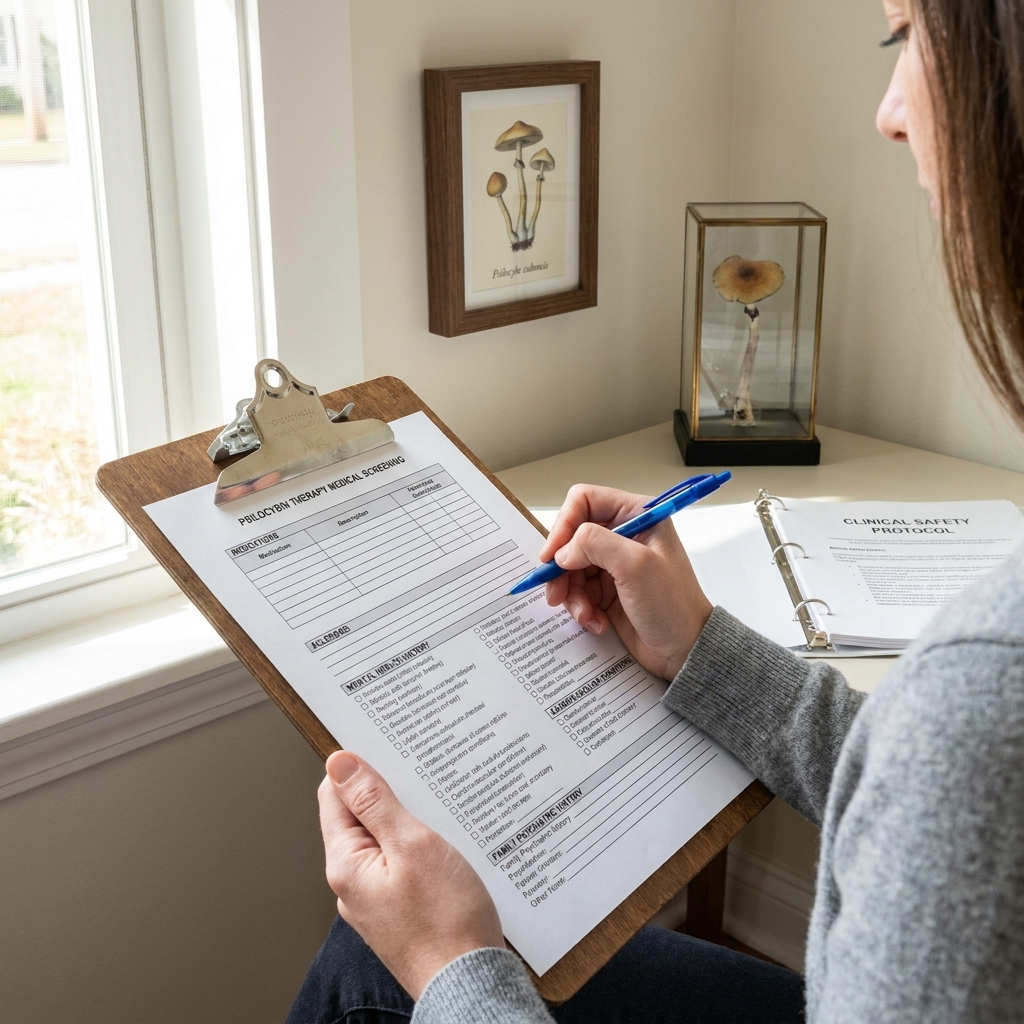
What a useful COA should show
A stronger COA has:
- product name matching the package
- batch or lot number matching the package
- test date
- lab name, address, and contact
- sample type
- method used
- analyst or certifying signature
- potency results with units
- pass or fail results for contaminants
- clear limits of detection
- QR code or URL that leads to the same report, not a generic homepage
A weak COA may show only a logo and a few numbers. A fake-looking COA may have no batch number, no test date, no lab contact, altered formatting, impossible units, or a product name that does not match the package.
Potency numbers: read the units
Potency can be expressed in confusing ways:
- milligrams per serving
- milligrams per gram
- percent by weight
- total psilocybin equivalent
- psilocybin and psilocin separately
- muscimol and ibotenic acid separately
Do not compare products unless the units match. "5 mg" of an analyte is not the same as "5 grams" of dried mushroom material. "Total mushroom blend" is not the same as measured active compound.
For psilocybin products, ask whether the number reflects psilocybin only, psilocin only, or a calculated total. For Amanita products, ask whether muscimol and ibotenic acid were tested separately.
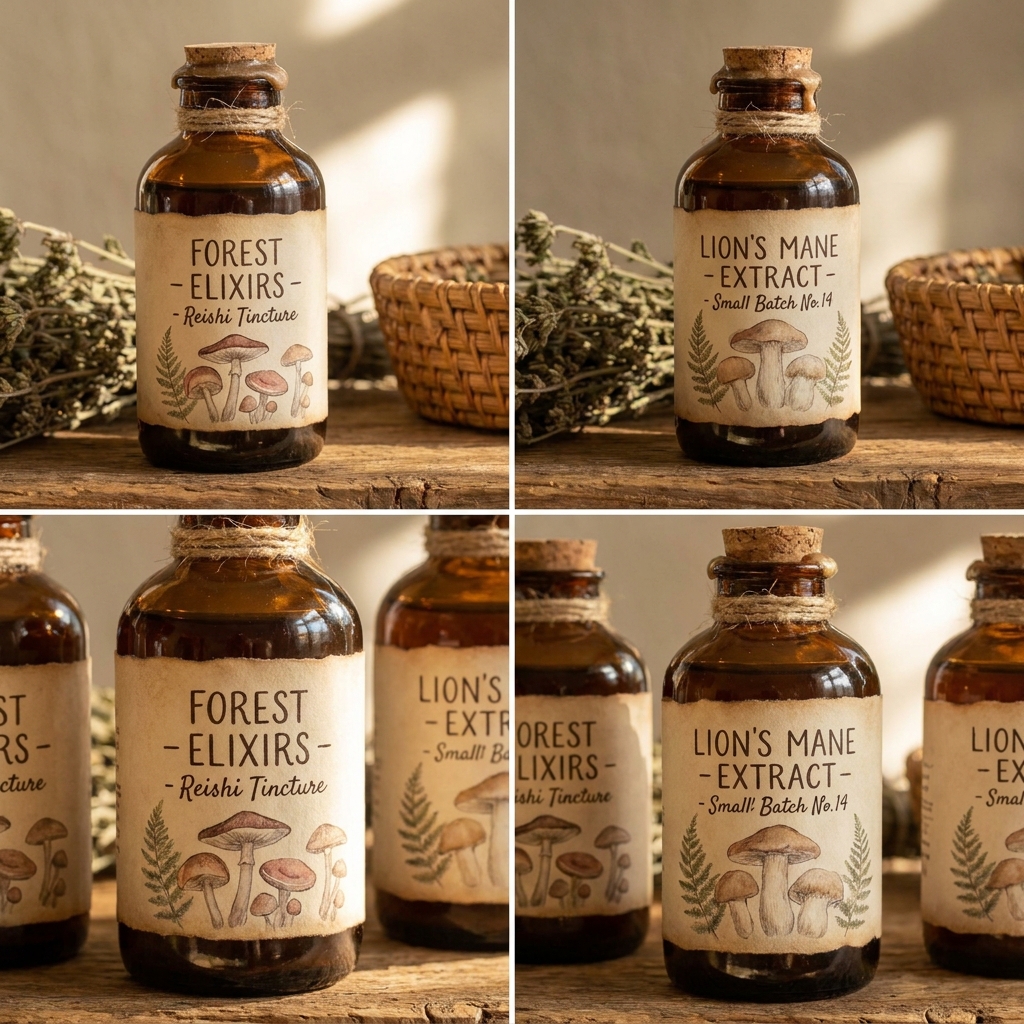
Contaminants matter
Mushrooms and mushroom products can carry risks beyond the intended active compounds. Useful testing may include:
- heavy metals
- pesticides
- residual solvents
- microbial contamination
- mycotoxins
- synthetic cannabinoids or other adulterants
- undeclared pharmaceuticals
The FDA's dietary supplement pages remind consumers that supplements are not approved by FDA for safety and effectiveness before marketing in the same way drugs are. That means label skepticism is healthy, especially for products making disease-treatment claims.
The Oregon comparison
Oregon's licensed psilocybin system has specific product testing and labeling rules. Licensed product testing is not the same as an online edible brand posting a PDF. Regulated systems define who can test, what must be tested, how products are labeled, and where the product can be used.
That does not make every regulated session perfect. It does show why "COA available" is too thin as a safety standard. Context matters: who made the product, who tested it, who regulates it, who administers it, and what happens if the person has a bad reaction?

Label claims that should slow you down
- "FDA approved" without a real approved drug reference
- "clinically proven" without a study on that exact product
- "legal in all 50 states"
- "microdose" with no measured active ingredient
- "proprietary blend" for a psychoactive product
- "doctor formulated" without naming the doctor or scope
- "no side effects"
- "anxiety cure," "PTSD cure," or "addiction cure"
- candy packaging that could attract children
The more medical the promise, the more evidence you should demand.
Practical COA checklist
Before trusting a product, answer:
- Does the batch number match?
- Is the report recent?
- Is the lab independent?
- Are the units clear?
- Are active compounds tested separately?
- Are contaminants tested?
- Does the label avoid illegal medical claims?
- Is the product legal where I am?
- Could this interact with my medications?
- Is there a sober support plan if effects become stronger than expected?
If you cannot answer these, do not let the packaging answer for you.