
Psilocybin and Cardiac Safety: What the Research Shows
Psilocybin's cardiovascular profile has become one of the more closely scrutinized aspects of its clinical development. As the compound moves through Phase 2 and Phase 3 trials worldwide, researchers and clinicians have been gathering data on how it affects heart rate, blood pressure, and cardiac rhythm — and who, if anyone, should approach it with extra caution.
The short answer: for most healthy adults, psilocybin's cardiovascular effects are mild and transient. For people with specific underlying conditions, a more careful evaluation is warranted. This article walks through what the data actually shows.
How Psilocybin Affects the Cardiovascular System
Psilocybin itself is pharmacologically inactive until it is dephosphorylated to psilocin in the body. Psilocin acts primarily as a serotonin receptor agonist, with strongest affinity for 5-HT2A receptors — the same receptors targeted in antidepressant research. Serotonin receptors exist throughout the cardiovascular system, including in vascular smooth muscle and cardiac tissue, which is why psychedelics can have measurable circulatory effects.
In clinical trial settings, the most consistently observed cardiovascular changes during psilocybin sessions are:
- Modest increases in heart rate: Typically 10–20 beats per minute above baseline, peaking 1–2 hours after administration and returning to baseline within 4–6 hours.
- Mild blood pressure elevation: Systolic blood pressure rises of 10–20 mmHg are common. Diastolic elevations are generally smaller.
- No significant QT prolongation: Unlike some psychiatric medications, psilocybin has not shown clinically meaningful cardiac rhythm disturbances in trials conducted to date.
These findings come from multiple controlled trials including the landmark Johns Hopkins and NYU studies on psilocybin for depression, addiction, and end-of-life anxiety, as well as the COMPASS Pathways Phase 2b trial involving over 200 participants across 22 sites.

What Screening Protocols Look For
Clinical trials exclude participants with certain cardiovascular conditions as a precautionary measure. The standard exclusion criteria used by most research sites include:
- Uncontrolled hypertension: Typically defined as systolic >160 mmHg or diastolic >100 mmHg at screening.
- History of significant cardiac arrhythmia: Including atrial fibrillation not well-controlled by medication.
- Recent cardiac event: Most protocols exclude participants with a myocardial infarction, stroke, or cardiac surgery within the past 12 months.
- Structural heart disease: Conditions such as hypertrophic cardiomyopathy or significant valve disease.
- QTc prolongation: A QTc interval above 450 ms (men) or 470 ms (women) is a common exclusion threshold.
These criteria reflect both genuine caution and the conservatism appropriate to early-stage research. The absence of people with these conditions from trials means we have limited direct data on psilocybin's effects in those populations — not that psilocybin is definitively unsafe for them.
The Serotonin Valvulopathy Question
One concern that comes up in discussions of long-term psilocybin use is cardiac valvulopathy — heart valve damage associated with sustained, high-level serotonin receptor stimulation. This condition has been documented with ergotamine-class compounds used chronically, and with the appetite suppressant fenfluramine.
Psilocybin, however, is typically used intermittently — once every several weeks to months, not daily. The valvulopathy risk associated with fenfluramine stemmed from chronic, continuous receptor stimulation at 5-HT2B receptors specifically. Psilocin does have 5-HT2B activity, but the short duration and infrequent use pattern of psilocybin therapy is considered pharmacologically distinct from the chronic daily dosing that caused valvulopathy in those cases.
Researchers from the Johns Hopkins group have noted this distinction explicitly in published analyses, and no valvular pathology attributable to psilocybin has been reported in clinical trials as of 2026. However, this remains an area of ongoing surveillance as trials expand.
Who Should Discuss Cardiac History With a Provider Before Participating
The following groups should have a thorough conversation with their prescribing clinician or the trial's medical monitor before any psilocybin experience — whether in a clinical or legal service-center setting:
- People with high blood pressure not well-controlled by medication
- People with a history of arrhythmia, even if currently asymptomatic
- People using cardiovascular medications, particularly certain antihypertensives, beta-blockers, or antiarrhythmics — some have pharmacokinetic interactions with psilocin
- People with a family history of sudden cardiac death before age 50
- People who have had a cardiac procedure within the past year
Beta-blockers are worth special mention. Some clinical protocols use low-dose propranolol as a rescue medication during sessions to manage anxiety-driven tachycardia. In other contexts, beta-blockers may blunt some of the psychological effects of psilocybin. Their interaction is relevant both for safety planning and for managing the session experience.
Vital Signs Monitoring in Supervised Settings
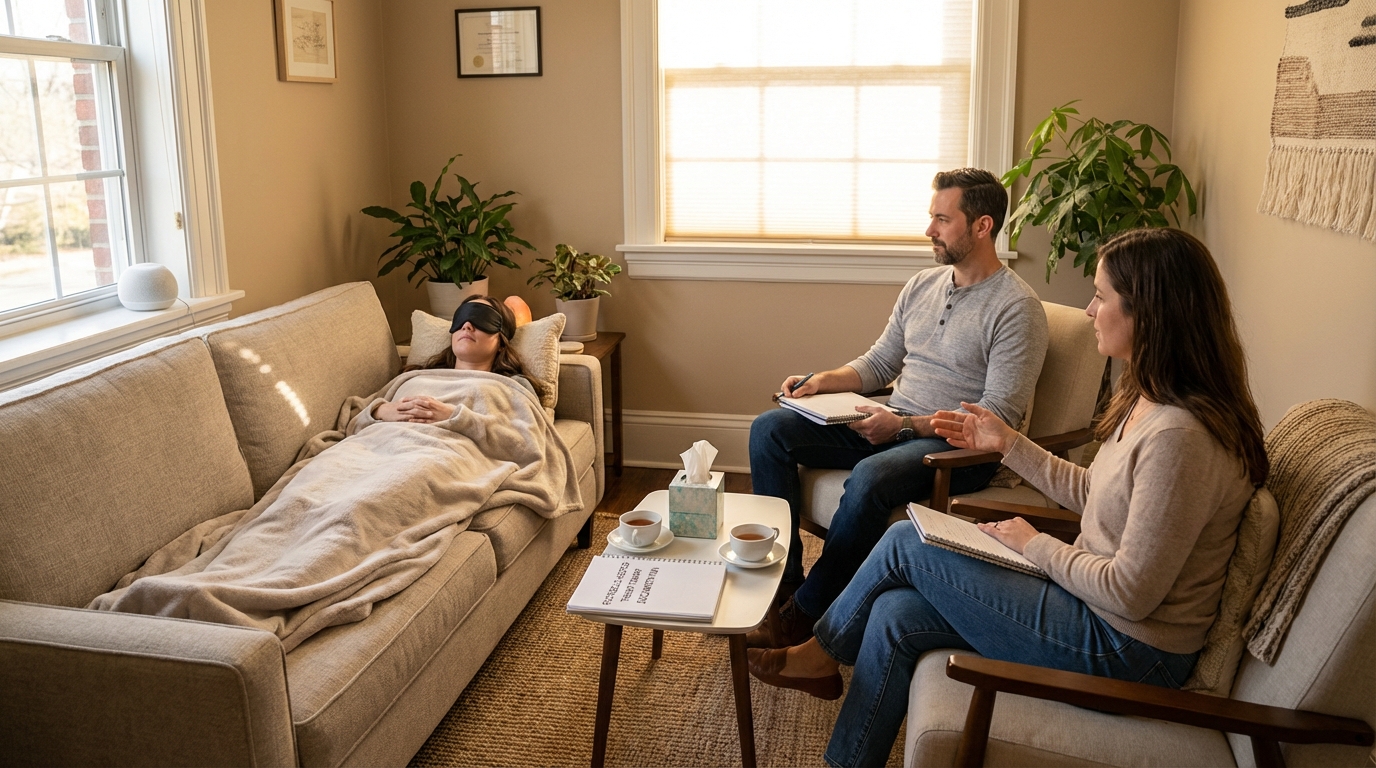
Oregon's psilocybin service center rules — and the protocols used by most research sites — require that participants' vital signs be checked before, during, and after a session. This typically means blood pressure and pulse readings at baseline, around peak effects (2–3 hours post-dose), and again as the effects are resolving.
If blood pressure rises significantly — above 180/110 mmHg, for example — most protocols have defined escalation steps, including sitting the participant up, reducing sensory stimulation, and in rare cases administering benzodiazepines or antihypertensives.
In practice, cases requiring medical intervention in clinical trials have been very rare. A 2023 safety analysis pooling data from multiple MAPS and Johns Hopkins-affiliated studies found no serious cardiac adverse events attributable to psilocybin across hundreds of sessions.

Cardiovascular Risks vs. Population-Level Perspective
It is worth contextualizing these findings against the general cardiovascular risks people face from everyday activities. The modest blood pressure and heart rate elevations seen with psilocybin are comparable to, and often smaller than, those seen with moderate-intensity exercise, sexual activity, or caffeine consumption. None of those activities are considered contraindicated for people with well-controlled hypertension.
This is not to minimize the importance of screening — it is to calibrate the conversation honestly. Blanket fear-based framing does not serve people who are trying to make informed decisions about their health.
What Research Is Still Needed
The main gaps in the current evidence base are:
- Longer-term follow-up on participants who have received multiple psilocybin doses over years, particularly with respect to valvular health
- Inclusion of older adults and people with stable cardiovascular disease in expanded trials, with careful monitoring
- Pharmacokinetic studies examining how psilocin clearance and cardiac effects differ in people on commonly prescribed cardiac medications
Several research groups are currently addressing the older adult population specifically, given that the mental health conditions psilocybin targets — depression, end-of-life anxiety, PTSD — are common in people over 60 who often also have cardiovascular comorbidities.
Practical Takeaways
For people considering psilocybin therapy in a legal, supervised context:
- Disclose your full cardiovascular history during screening. Medical monitors are there to help individualize your care, not to disqualify you automatically.
- If you have controlled hypertension, do not assume you are ineligible — discuss it with the medical staff.
- Expect that vital signs will be checked during your session. This is routine and protective.
- Avoid stimulants (caffeine, nicotine) in the hours before a session, as these will add to baseline cardiovascular load.
- The combination of psilocybin with other serotonergic compounds raises additional considerations; discuss any supplements or medications openly.
The available evidence is reassuring for most adults in supervised settings. The field is actively improving its evidence base. Informed participation — not avoidance — is the appropriate response to remaining uncertainty.