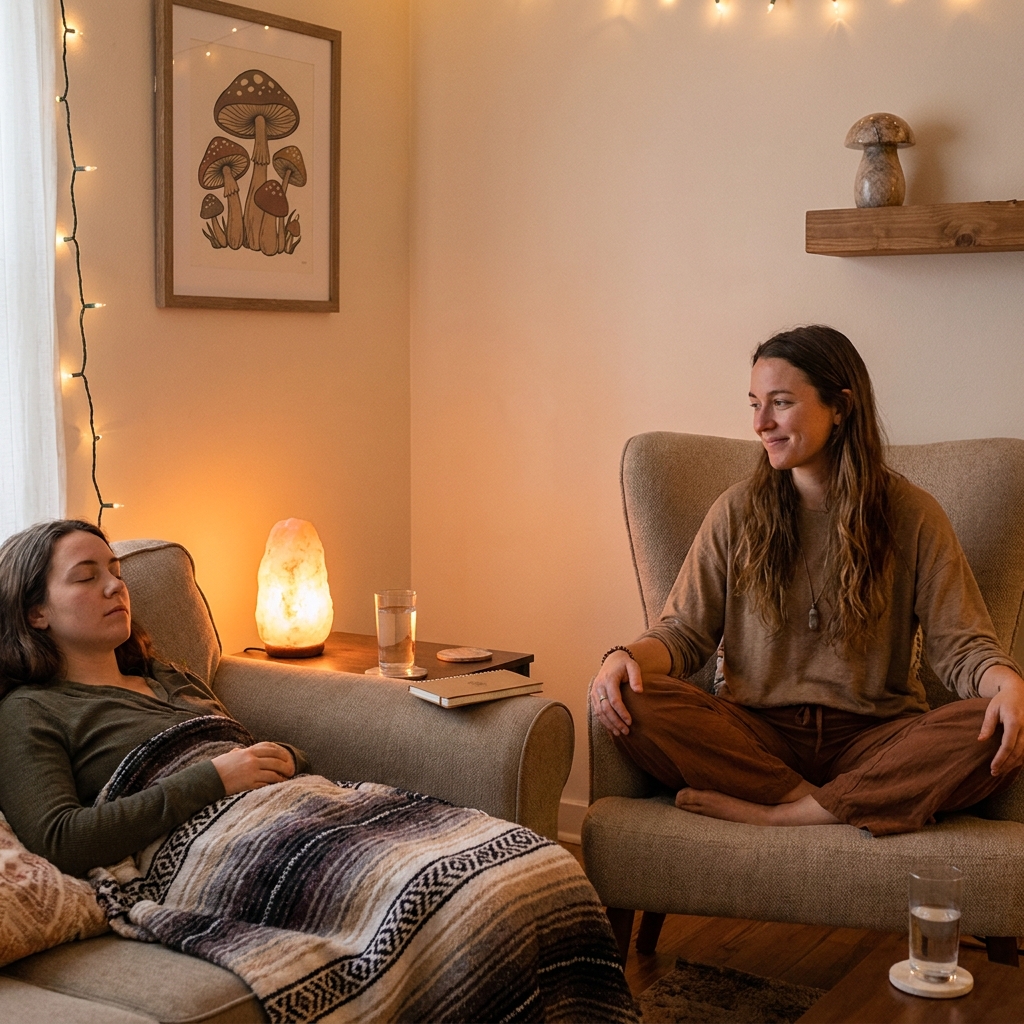
The Same Molecule, Two Worlds
Psilocybin is a single compound — a tryptamine alkaloid present in more than 200 species of fungi — but the frameworks through which human beings use it are not singular. They represent two of the most divergent possible approaches to altered states: one rooted in thousands of years of indigenous ceremony and cosmological understanding, the other in randomized controlled trials, IRB protocols, and the DSM-5.
Understanding these two models is not just philosophically interesting. For anyone navigating today's expanding legal access to psilocybin — through Oregon or Colorado's service frameworks, international retreats, or ongoing clinical trials — knowing what each model offers and what each model assumes about the nature of the experience will help you make more informed decisions about how you want to engage with this compound.
The Ceremonial Model: Structure, Lineage, and the Sacred
The oldest documented use of psilocybin mushrooms comes from Mazatec communities in the Sierra Mazateca region of Oaxaca, Mexico. The Mazatec healer María Sabina, who worked extensively with the ethnomycologist R. Gordon Wasson in the 1950s, helped introduce the concept of mushroom ceremonies to the Western world — a fact that the Mazatec community has viewed with profound ambivalence ever since, given what followed.
In traditional Mazatec use, the ceremony — the velada — is not primarily therapeutic in the Western sense. It is a divinatory and healing ritual conducted by a curandera or curandero, a healer trained through years of apprenticeship and practice. The mushrooms are understood as beings — los niños santos (the holy children) — not as pharmacological agents. The healer guides the ceremony through chant, prayer, and invocation. Participants consume mushrooms together, in darkness, as part of a community ritual with clear sacred intent.
What makes the ceremonial model structurally distinctive:
Cosmological framing. The experience is not understood as a psychological phenomenon but as contact with spirit, the divine, ancestors, or other non-physical realities. This framing actively shapes the experience itself — research on the role of expectation and "set" in psychedelic outcomes is consistent with this.
Healer-as-intermediary. The curandera does not simply watch. She navigates the space alongside participants, using sound, intention, and traditional knowledge to guide and protect the group. This is a fundamentally different role from a Western therapist or facilitator.
Community context. Traditional ceremonies are often communal — family members, community participants, and the healer are all present together. The Western preference for individual or dyadic therapeutic encounters does not map onto this model.
Non-pathologizing frame. The ceremonial model does not assume that participants are ill or broken. It approaches the experience as a natural human capacity for contact with wider reality, available to people in all states of health.

Neo-Shamanic and Contemporary Ceremonial Formats
Beyond the original Mazatec tradition, a range of contemporary "ceremonial" models have emerged — sometimes called neo-shamanic — that adapt or draw from indigenous frameworks without being part of an unbroken lineage. These include ceremonies using the structure of traditional rituals (darkness, music, an attending healer-figure) but operated by Western-trained facilitators who may have trained in Peru, the Netherlands, or through formal apprenticeship programs.
This space ranges from deeply thoughtful and culturally respectful to superficially appropriative and potentially unsafe. For someone evaluating a ceremonial-format retreat, the distinction between an operator with genuine lineage and experience and one that uses ceremonial aesthetics as marketing is not always obvious from the outside.
The Clinical Model: Measurement, Control, and the Therapeutic Alliance
The clinical model emerged from the research of the 1950s and 1960s (largely suppressed after prohibition), was reborn in the 1990s with the work of Rick Strassman and others, and matured in the 2000s with landmark studies from Johns Hopkins, NYU, and later COMPASS Pathways and Imperial College London.
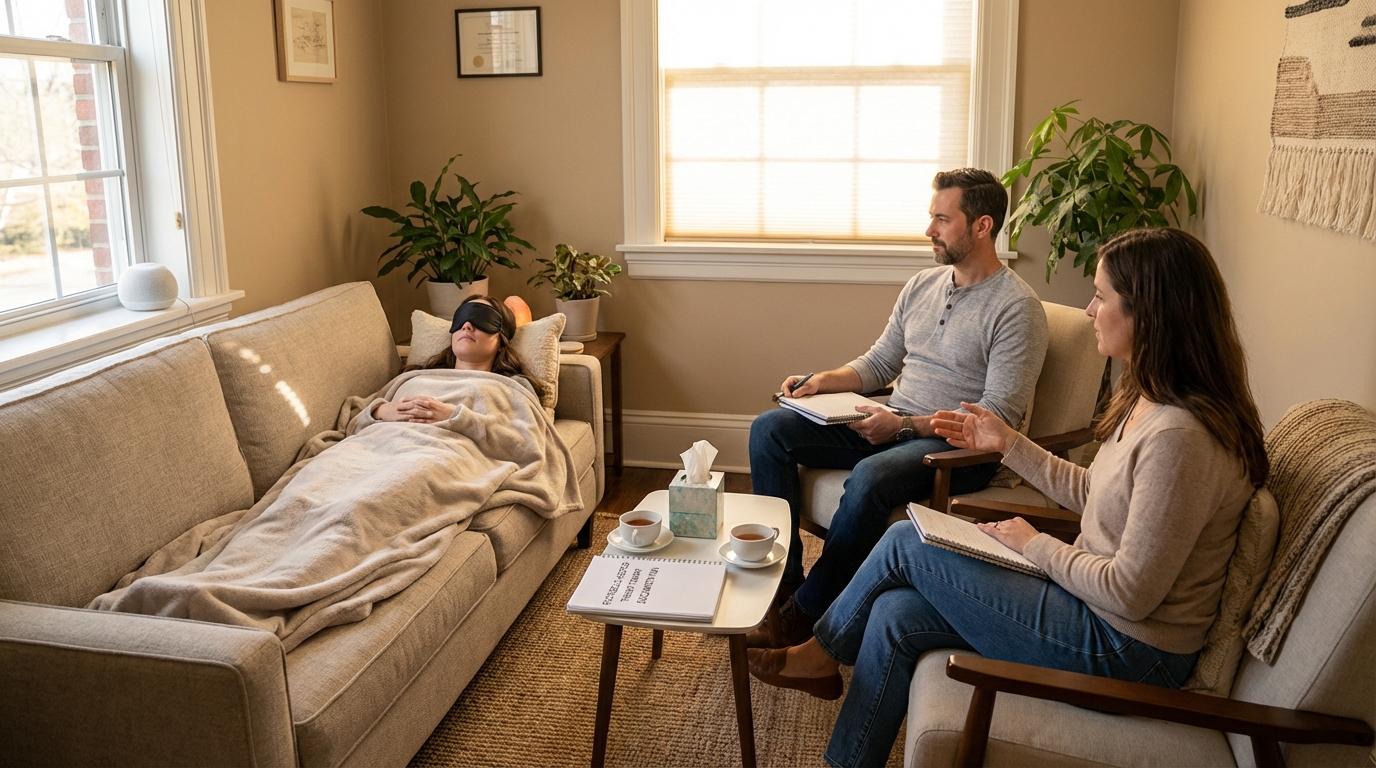
In the clinical model, psilocybin is a pharmacological agent being evaluated for specific medical indications — treatment-resistant depression, end-of-life anxiety, addiction, OCD. The framework is biomedical: the compound is standardized (pure synthetic psilocybin at specified doses), the setting is controlled (a purpose-built room with music, eyeshades, a couch), and outcomes are measured using validated psychiatric scales.
Clinical trials follow a structured protocol that typically includes:
Extensive screening. Participants are screened for contraindicated conditions (personal or family history of psychosis, bipolar I, cardiovascular risk, incompatible medications) through questionnaires, clinical interviews, and sometimes physical examination.
Preparation sessions. Multiple sessions with the therapeutic team before the dosing day establish rapport, explore intentions, and build a framework for working with difficult material.
The dosing session. A supervised session lasting 6–8 hours, typically with two trained therapists present. Participants wear eyeshades and listen to a curated music playlist. Therapists do not direct the experience but are present to provide support during difficult moments and to facilitate a safe environment.
Integration sessions. Follow-up therapeutic sessions in which participants process what arose during the experience and work to translate insights into behavioral change.
This model produces data. It allows for placebo controls, standardized outcome measures, and comparison across trials. It is what has given the field its scientific legitimacy and what is driving regulatory interest from the FDA.
What Each Model Gets Right — and What It Misses
The ceremonial model's strengths: Contextual richness, community, the therapeutic (and genuinely non-understood) power of ritual and intention, thousands of years of accumulated practical wisdom about navigating these states, and an approach to the human being that does not require pathology as an entry point. The ceremonial model offers experiences that the clinical model — by design — deliberately excludes: collectivity, cosmological meaning, relationship to the non-human world.
The ceremonial model's weaknesses: Inconsistent safety standards outside established lineages, no systematic screening for contraindications, limited or no accountability when things go wrong, real risks of cultural appropriation and exploitation of indigenous traditions, and a framework that does not interface well with the regulatory systems that protect people from harm.
The clinical model's strengths: Rigorous screening, trained therapists with accountability, standardized dosing, structured support before and after, measurable outcomes, and the potential to produce the evidence base needed for pharmaceutical access that could eventually reach millions of people rather than thousands.
The clinical model's weaknesses: Decontextualized. The clinical model deliberately strips away cosmological and spiritual framing in an effort to isolate variables and produce generalizable data. But for many people, particularly those without a pathological diagnosis who are seeking personal growth or spiritual development, the medical framework is reductive. The model also produces an artificial, controlled experience that bears limited resemblance to how psilocybin has been used for most of its human history.
The Hybrid Space: Where Things Are Evolving
What is genuinely interesting about the current moment is that the binary is breaking down. Oregon's licensed service framework is not purely clinical — it allows for diverse facilitation styles, including spiritual and ceremonial approaches, within a regulated safety framework. The facilitator training programs approved by Oregon include programs with explicitly spiritual content alongside those rooted in Western therapy traditions.
Research teams at Johns Hopkins and Imperial College London have increasingly documented the role of mystical experience in mediating therapeutic outcomes — suggesting that the clinical model works partly because it produces something that looks a great deal like what the ceremonial model has always intentionally cultivated. This has led some researchers to argue that stripping away ritual and meaning-making is not a neutral act but actually makes the intervention less effective.
Integration of indigenous knowledge into clinical research is an emerging conversation, though a deeply complicated one given the history of extraction without reciprocity that has characterized Western engagement with Mazatec and other indigenous traditions. How this resolves — or whether it resolves ethically — remains an open question.
Practical Implications for Someone Navigating These Choices Today
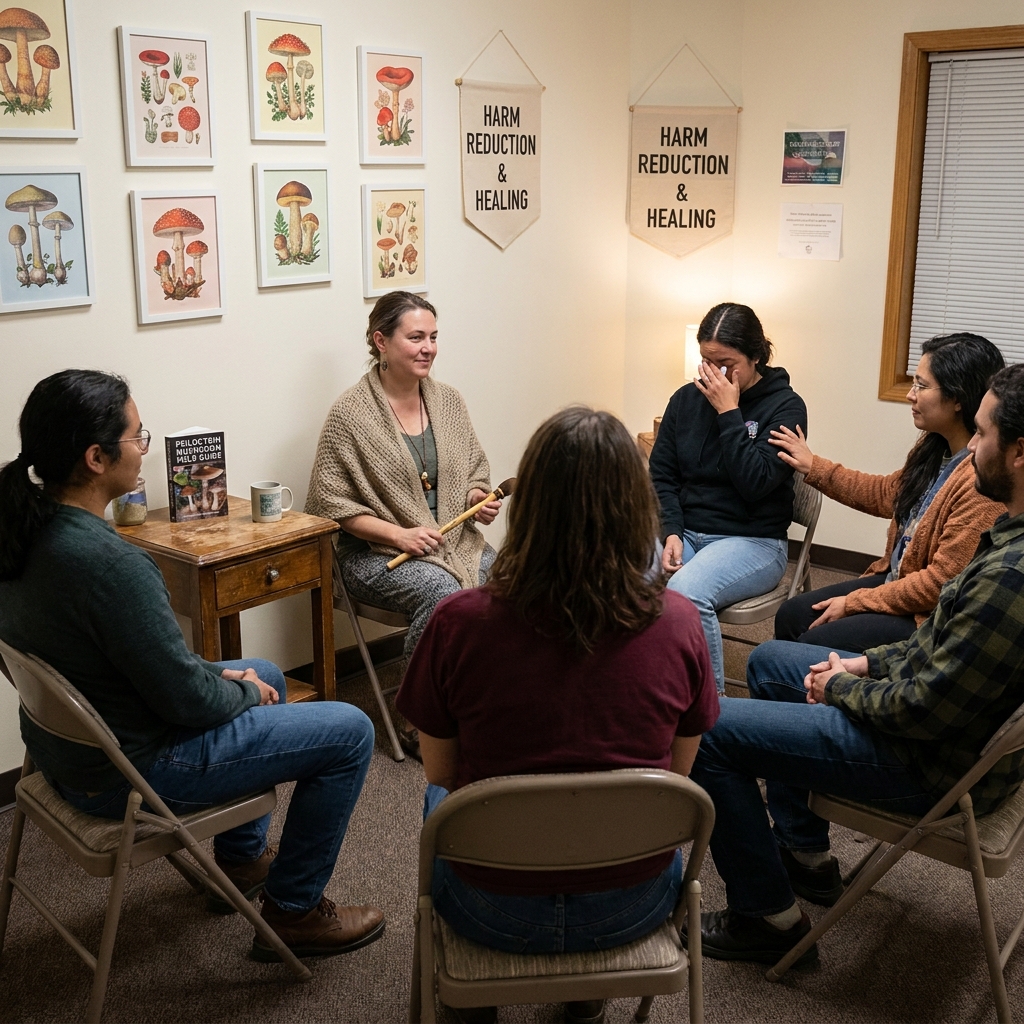
If you are in Oregon or Colorado, the licensed service framework gives you access to a regulated, accountable option that includes trained facilitators, screening, and legal protection. How that facilitator works — whether more clinically or more ceremonially — depends on the specific center and facilitator you choose.
If you are considering an international retreat, you are typically in ceremonial-model territory, with all the variability that implies. Due diligence on the specific organization and facilitators matters enormously.
If you are eligible for a clinical trial, that is arguably the highest standard of safety and support currently available, at no cost, with the added benefit of contributing to the scientific record.
None of these paths is inherently superior. What matters is the match between your specific needs, values, history, and circumstances and what each model actually offers.