Outdoor Mushroom Growing: Garden Beds, Wood Chips, and Natural Environments
Everything you need to know about Outdoor Mushroom Growing: Garden Beds, Wood Chips, and Natural Environments — from materials to first harvest.

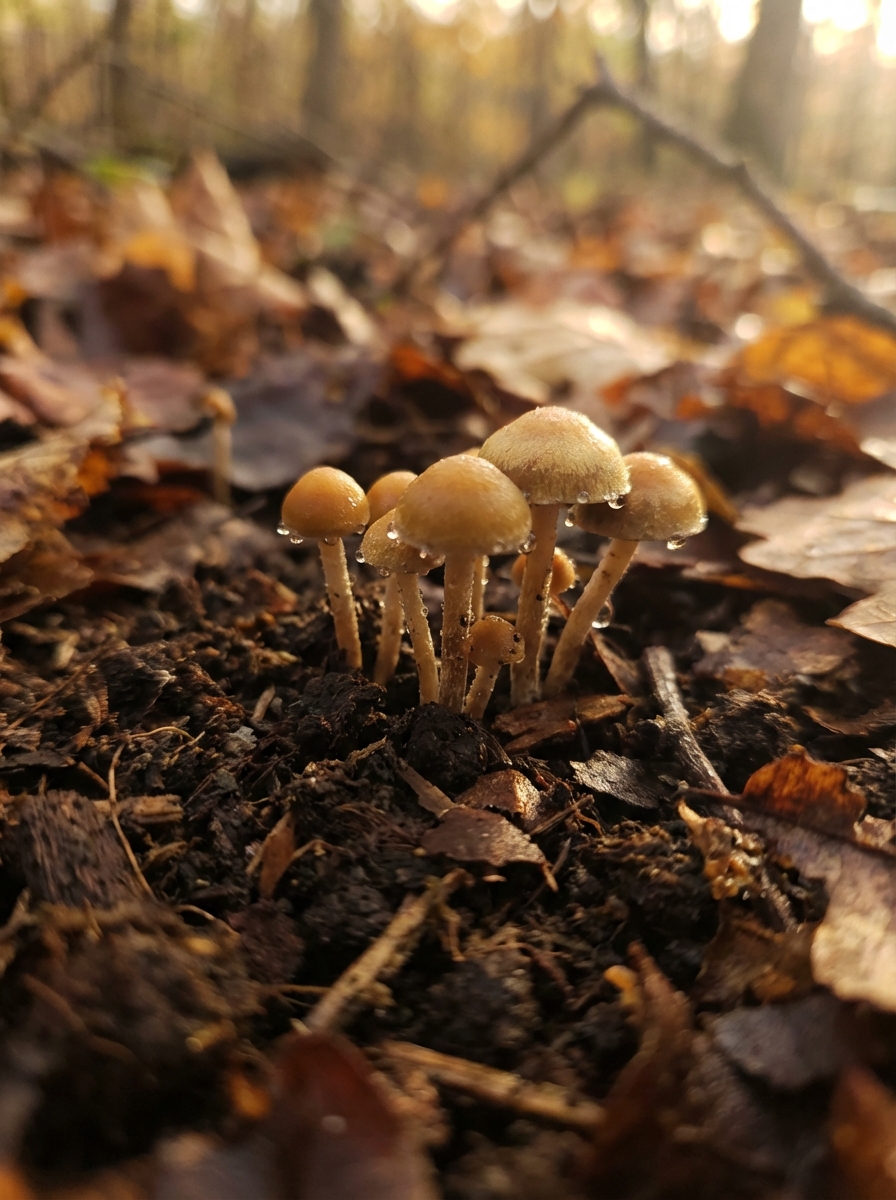

What You'll Need
- See full supply list in guide below.
Find grow supplies at vendors in our Directory.
Step-by-Step Process
Outdoor Mushroom Growing: Garden Beds, Wood Chips, and Natural Environments
Psilocybe mushrooms are saprotrophic organisms — they decompose dead organic matter and thrive in natural environments with the right substrate and moisture. While most hobby cultivation happens indoors in controlled conditions, outdoor growing offers a different set of advantages: lower cost, larger potential yields, no electricity overhead, and the satisfaction of working with natural systems. This guide covers outdoor growing methods for temperate and subtropical climates.
What Outdoor Growing Can and Cannot Do
Can do: Produce substantial yields of Psilocybe cubensis (in warm climates), naturalize Psilocybe cyanescens or P. azurescens in Pacific Northwest woodchip beds, and maintain a perennial fruiting patch with minimal ongoing effort once established.
Cannot do: Work reliably in cold, dry, or hot climates without the right species match. Guarantee harvest timing or quantity. Protect against competition from wild molds and bacteria in the same way a sterile indoor environment can.
The trade-off: Outdoor growing is lower-input but lower-control. Natural systems have their own dynamics.
Species Selection for Outdoor Growing
Not all Psilocybe species are equally suited to outdoor cultivation.
Psilocybe cubensis (warm climates): Grows outdoors in subtropical and tropical climates — Gulf Coast US, Florida, Hawaii, Central and South America, Southeast Asia. Requires temperatures consistently above 70°F, high humidity, and manure-based substrate. Can be grown in outdoor garden beds with manure and casing soil in appropriate climates. Does not naturalize well in temperate zone gardens.
Psilocybe cyanescens and P. azurescens (temperate climates): The Pacific Northwest species that naturally colonize wood chip mulch. Outdoor woodchip beds in temperate zones are an excellent substrate for these species. They prefer cool temperatures (40–70°F) and colonize wood chip mulch beds in shaded gardens. Once established, they can fruit repeatedly for years.
Psilocybe subaeruginosa (Australia/NZ): The dominant outdoor-suitable species in the Southern Hemisphere. Colonizes woodchip and bark mulch beds in garden settings during the autumn-winter cool-wet season.
Method 1: Woodchip Bed Inoculation (Temperate Species)
The most reliable outdoor method for temperate climates. Suitable for P. cyanescens and P. azurescens.
Materials
- Hardwood wood chips (alder, oak, beech — NOT cedar, pine, or eucalyptus; aromatic or high-resin wood chips inhibit colonization)
- Grain spawn colonized with your target species
- A garden location: shaded, reliably moist, with wood chip mulch already present or established
Process
- Select a site: Under deciduous trees, along a fence line, or in a garden bed that receives indirect light. Avoid full sun — it dries the substrate too quickly.
- Prepare the substrate: If using an existing wood chip bed, loosen the top layer. If starting fresh, lay 4–6 inches of wood chips in your chosen area.
- Inoculate: Break your colonized grain spawn into small pieces and mix it into the top 2–3 inches of the wood chip bed. Use roughly 1 pound of spawn per 10 square feet of bed area.
- Mulch over: Cover the inoculated area with a fresh 2–3 inch layer of wood chips.
- Water: Saturate the bed thoroughly after inoculation. Keep moist throughout the colonization period.
- Wait: Colonization takes 2–6 months. The mycelium will spread through the wood chip bed.
- First fruits: Outdoor P. cyanescens/azurescens typically fruits in autumn after the first cool wet weather (September–November in the Northern Hemisphere).
Ongoing Maintenance
- Replenish wood chips annually with a fresh top layer
- Water during dry periods to maintain moisture
- Remove dead leaves that don't decompose well; they can form a barrier
An established bed may produce for 3–7+ years with minimal maintenance.
Method 2: Outdoor Cubensis (Subtropical)
For warm climates (Florida, Gulf Coast, Hawaii, tropical internationally):
Materials
- Composted cow or horse manure
- Casing soil (sandy loam, vermiculite mix)
- Fully colonized spawn (grain spawn or colonized compost/straw)
- A raised bed or planting area with shade cloth protection
Process
- Prepare the bed: Mix composted manure with garden soil at 1:1 ratio. Build raised beds or just use an outdoor planting area.
- Layer and inoculate: Spread spawn through the manure layer, mixing gently.
- Case with soil: Cover with 1/2 inch of casing soil (sandy loam or commercial topsoil).
- Maintain humidity: Outdoor cubensis fruiting requires consistent humidity. In very dry climates, a shade cloth tent over the bed helps retain moisture. Morning watering is ideal.
- Harvest after rainfall: In subtropical climates, mushrooms often fruit spontaneously after heavy rain. Keep the area under observation.
Climate requirement: Minimum nighttime temperatures above 65°F, high humidity. Cubensis does not survive frost.
Pest and Contamination Management
Competing molds: Green molds (Trichoderma) and other saprophytic fungi compete with Psilocybe in outdoor beds. Healthy, well-established Psilocybe mycelium typically outcompetes them, but a freshly inoculated bed is vulnerable. Don't inoculate with weak or partially contaminated spawn.
Slugs and snails: Major outdoor pest. They eat mushrooms and can destroy a flush overnight. Diatomaceous earth around the bed perimeter and slug traps reduce impact.
Insects: Mushroom gnats and other insects lay eggs in mushroom flesh outdoors. Harvest promptly when mushrooms reach maturity — don't let them sit.
Squirrels and other wildlife: Mushrooms attract wildlife in some areas. Row cover or physical barriers may be needed in high-wildlife areas.
Harvest and Timing
Pacific Northwest species (P. cyanescens, P. azurescens): Fruit October–February, triggered by the first cold rains. Harvest promptly — Pacific Northwest rainfall and slug pressure mean mushrooms deteriorate quickly.
Tropical cubensis: Fruits throughout the warm wet season, heaviest after rainfall. Harvest before the veil tears.
Drying Outdoor Harvest
Outdoor mushrooms often carry more surface moisture and biological material than indoor grows. Dry promptly after harvest:
- Brush off visible soil or debris
- Lay on a drying rack with air circulation
- Use a food dehydrator at 95-110°F for 4-8 hours until cracker-dry
- Store in an airtight container with desiccant away from light
Legal Notes
Growing Psilocybe mushrooms outdoors for consumption is illegal in most US jurisdictions. Oregon and Colorado have created frameworks: Colorado specifically allows personal home cultivation for adults 21+. Oregon's Measure 109 does not authorize home cultivation — only licensed service center use.
The legal landscape continues to evolve. Know your local law before proceeding.
Resources
- Psilocybe azurescens species page: More on the world's most potent outdoor-cultivable species
- Paul Stamets, Psilocybin Mushrooms of the World: Natural habitat and substrate information
- Pacific Northwest Mushroom Growers' Network: Online forums on temperate species outdoor cultivation
Common Problems & Troubleshooting
See the Contamination Guide for common issues.
Tips for Success
Take notes at every stage. Consistency beats perfection.