Growing Gourmet Species Alongside Psilocybin Strains
Everything you need to know about Growing Gourmet Species Alongside Psilocybin Strains — from materials to first harvest.



What You'll Need
- See full supply list in guide below.
Find grow supplies at vendors in our Directory.
Step-by-Step Process
Growing Gourmet Species Alongside Psilocybin Strains
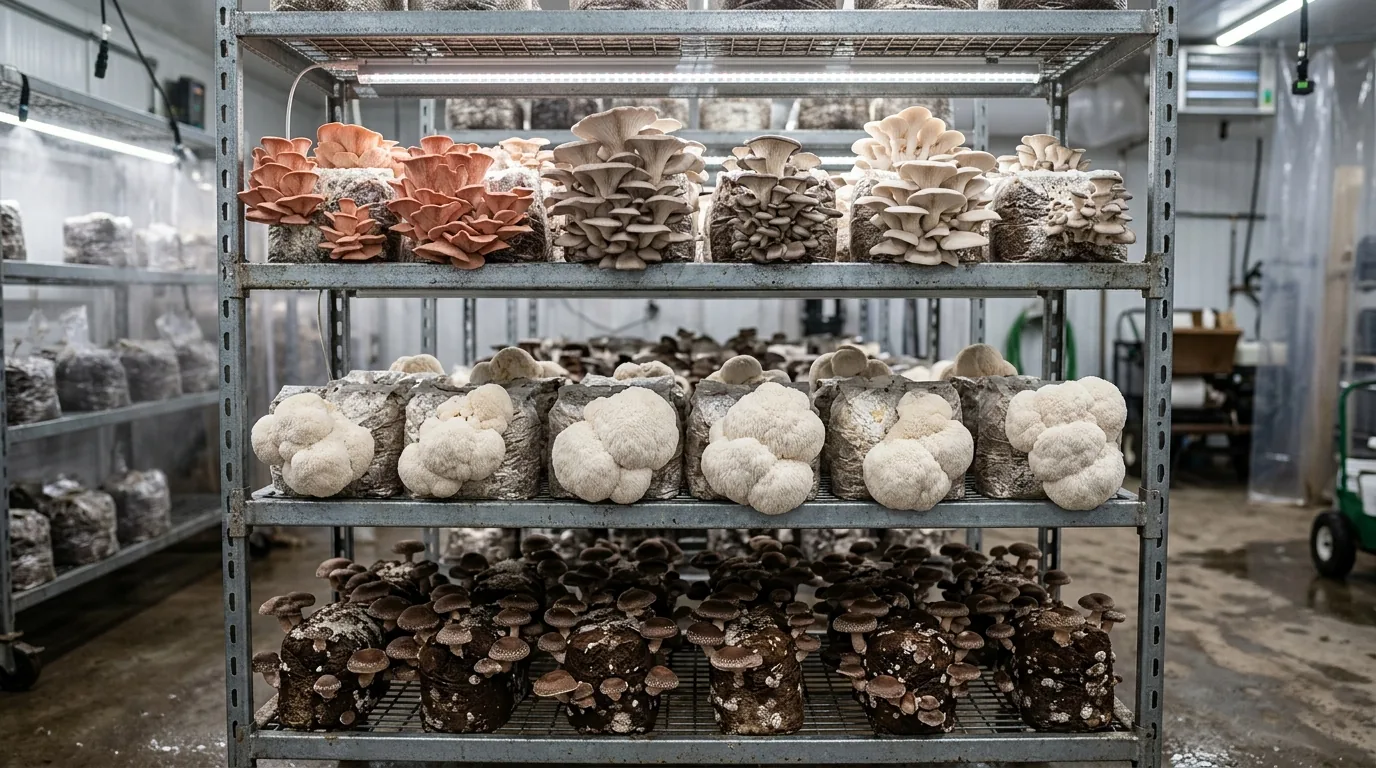
Many home cultivators focus exclusively on Psilocybe cubensis. But the techniques used for cubensis — grain spawn, bulk substrate, humidity and FAE control — apply directly to dozens of gourmet edible species. Growing gourmet mushrooms alongside (or instead of) psilocybin strains develops your skills, produces culinary rewards, and provides legal cultivation practice in jurisdictions where psilocybin cultivation is restricted.
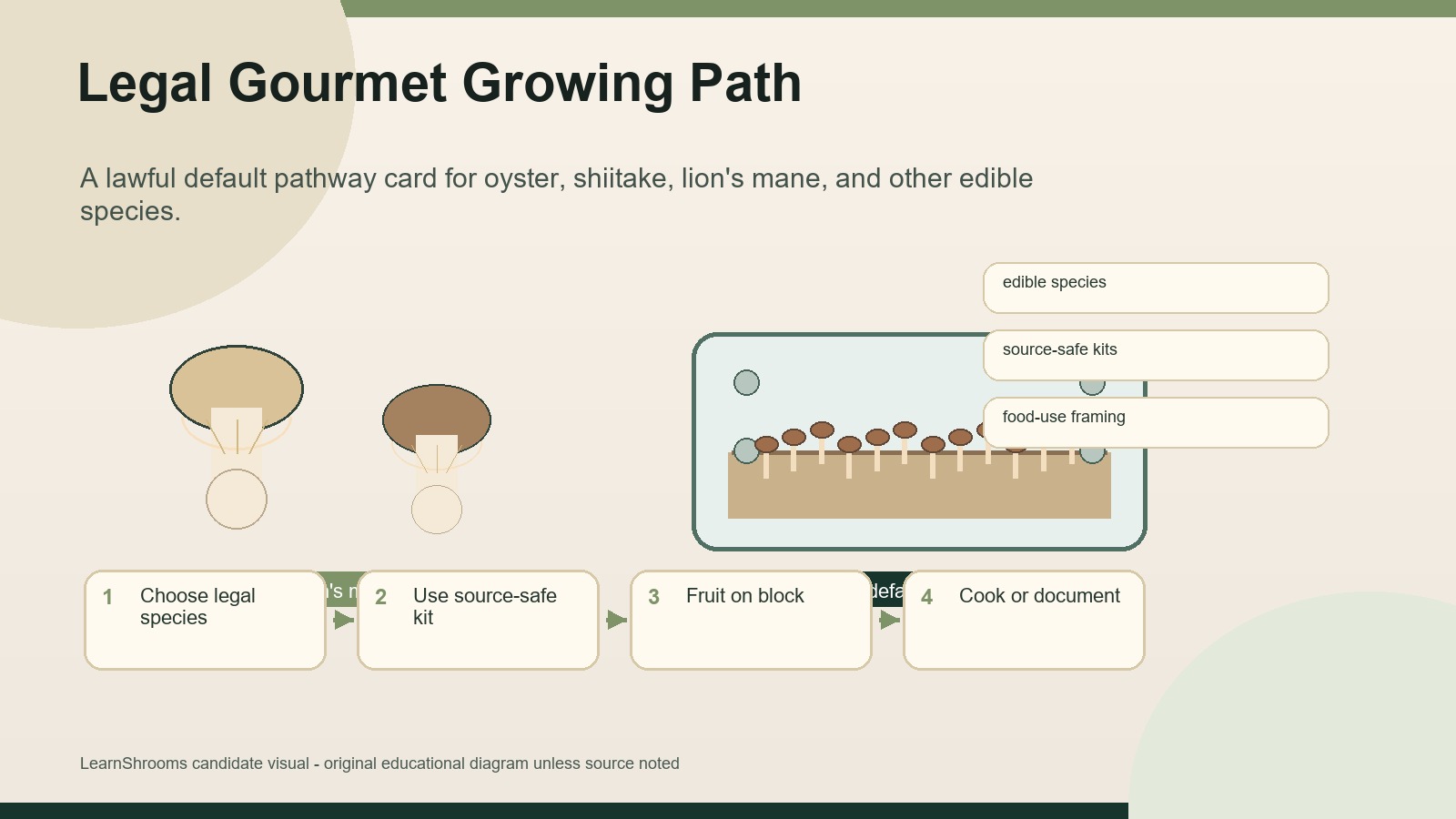
Legal-First Skill Path
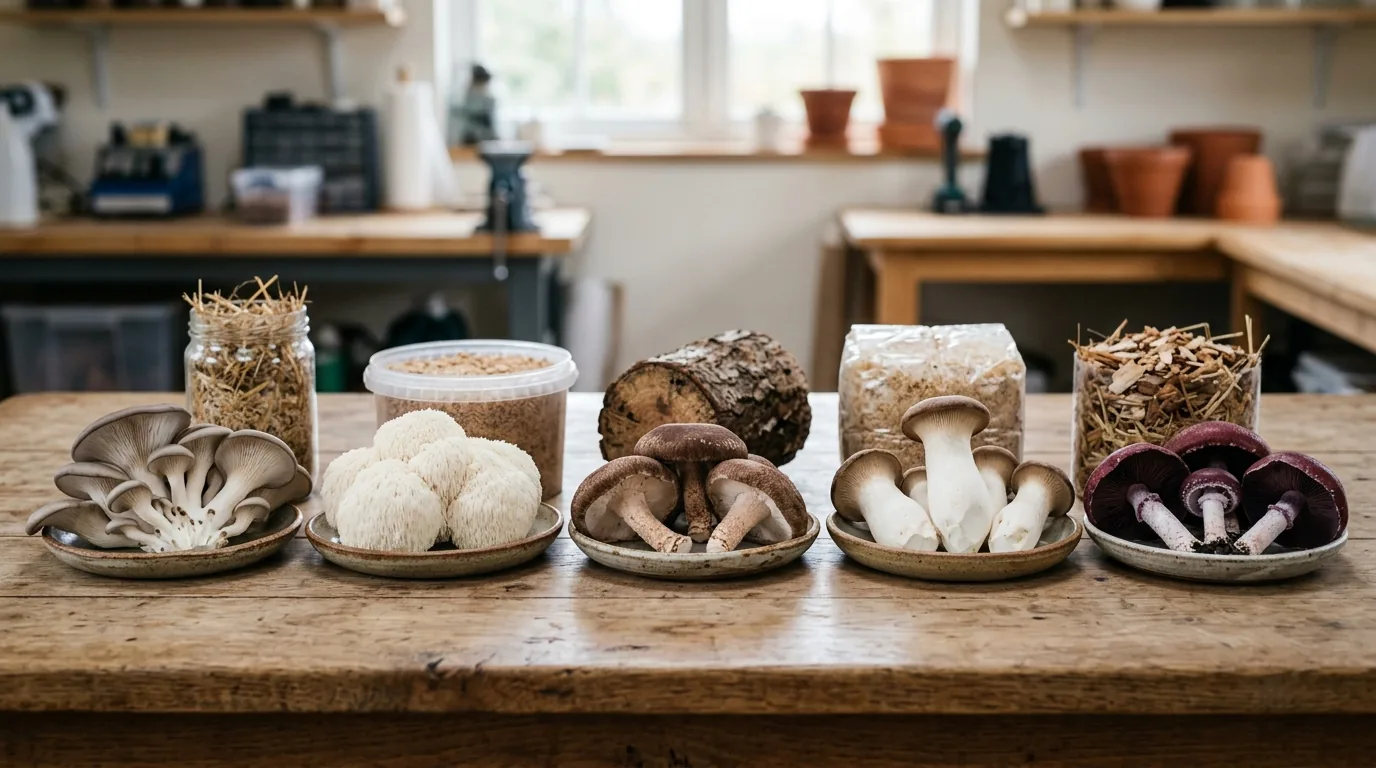
The cleanest route for most home learners is simple:
- Start edible: Learn sterile technique, substrate handling, and fruiting control with gourmet species from mainstream suppliers.
- Keep labels clear: Separate edible cultures, microscopy materials, and any restricted-species notes so intent is never ambiguous.
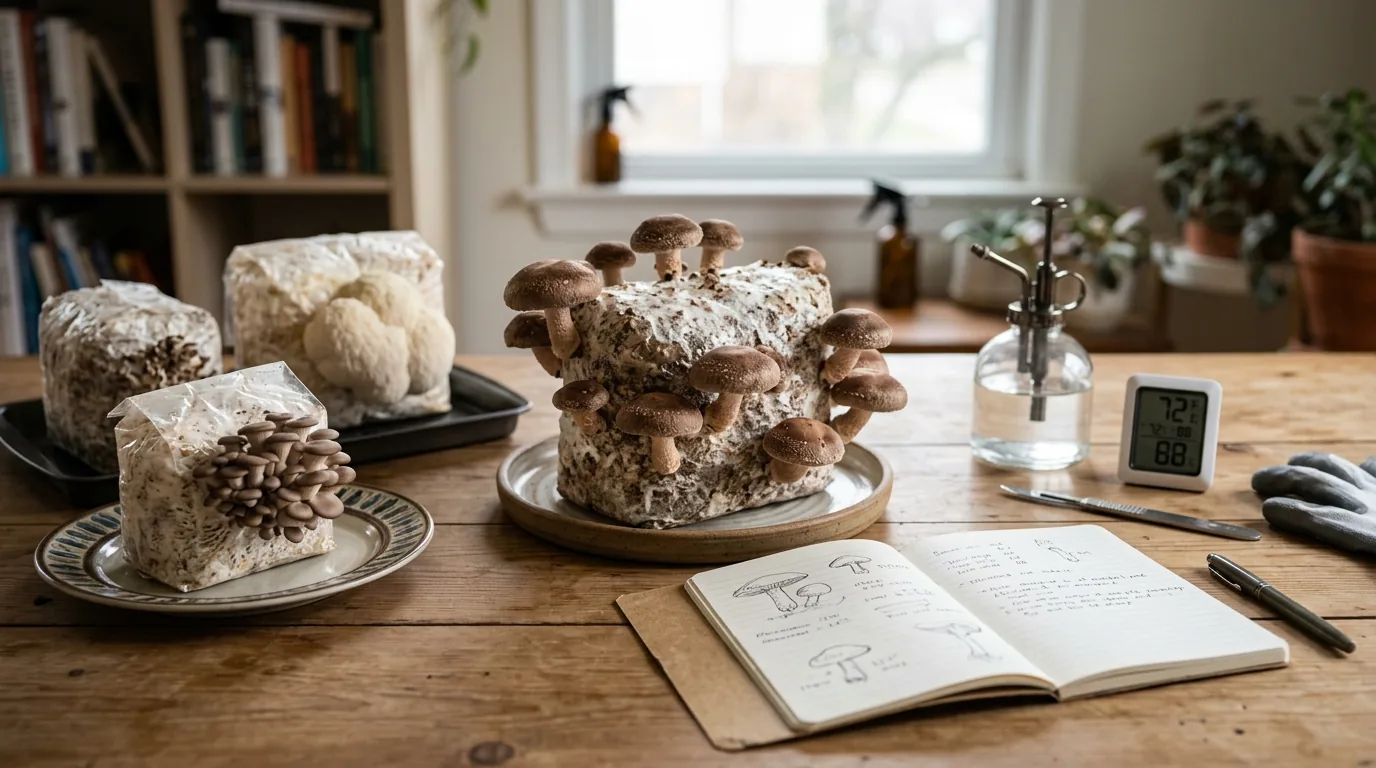
- Document learning: Photograph dates, contamination signs, and environmental readings instead of chasing yield claims.
- Pause at the legal line: Do not fruit restricted species unless local law clearly permits it and you understand the requirements.
Why Grow Gourmet Species?
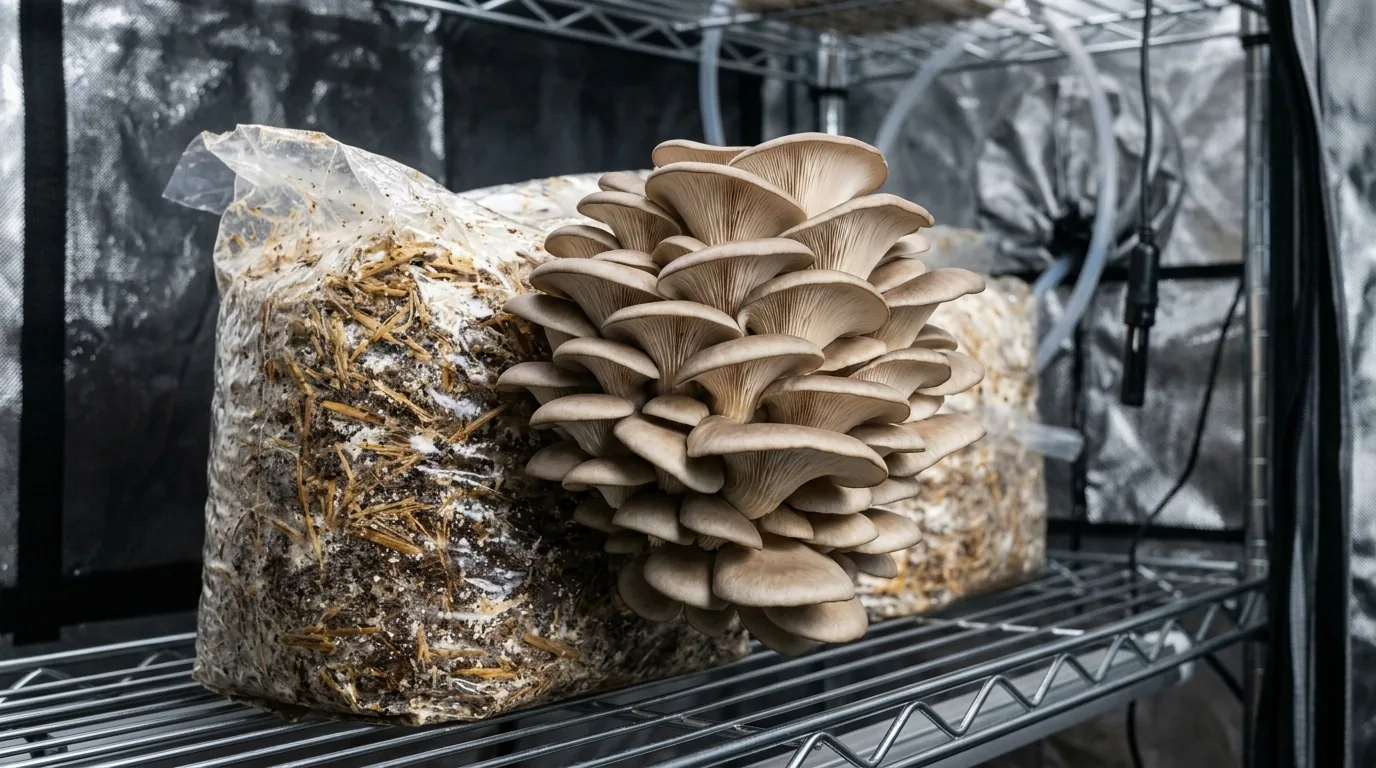
Skill development: The core cultivation skills — grain preparation and sterilization, spawn making, contamination recognition, fruiting chamber management — are identical across species. Getting repetitions with legal gourmet species accelerates your ability before working with more sensitive strains.
Legal clarity: In most US states and countries, growing edible gourmet mushrooms is entirely legal and not subject to the legal complexity surrounding psilocybin cultivation. You can practice openly and at scale.
Culinary rewards: Oyster mushrooms, shiitake, lion's mane, and wine caps are superior culinary ingredients — fresher, more varied, and more interesting than anything available in grocery stores.
Understanding substrate specificity: Different species prefer different substrates and have different fruiting triggers. Working with multiple species builds an intuitive understanding of substrate, moisture, and environmental factors that applies across all cultivation.
Species Comparison
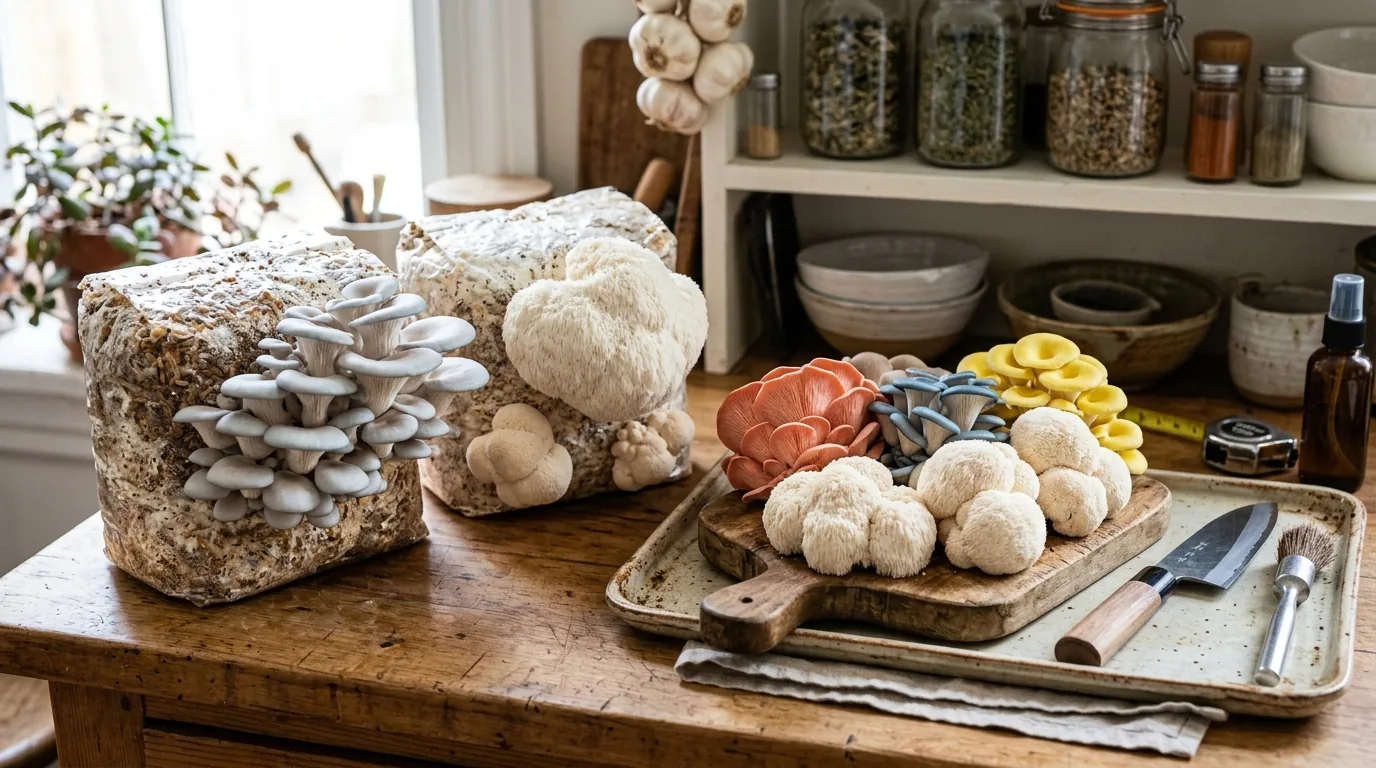
Oyster Mushrooms (Pleurotus ostreatus, P. djamor, P. citrinopileatus, others)
Difficulty: Beginner Substrate: Straw, hardwood sawdust, cardboard, coffee grounds — highly versatile Spawn: Grain or sawdust Fruiting conditions: 65-75°F (oyster), 70-85°F (pink oyster), high humidity (85-95%), high FAE Timeline: 2-4 weeks from colonized substrate to harvest
Oysters are the most beginner-friendly gourmet species by a significant margin. They colonize aggressively (out-competing most contaminants), fruit prolifically, and can grow on substrates that don't require pressure cooking (straw can be pasteurized at lower temperature).
The cubensis connection: The FAE and humidity management skills for oysters are essentially identical to those for cubensis fruiting. The main difference is substrate — oysters don't need or thrive on coco coir, they want cellulose-rich materials (straw, sawdust).
Lion's Mane (Hericium erinaceus)
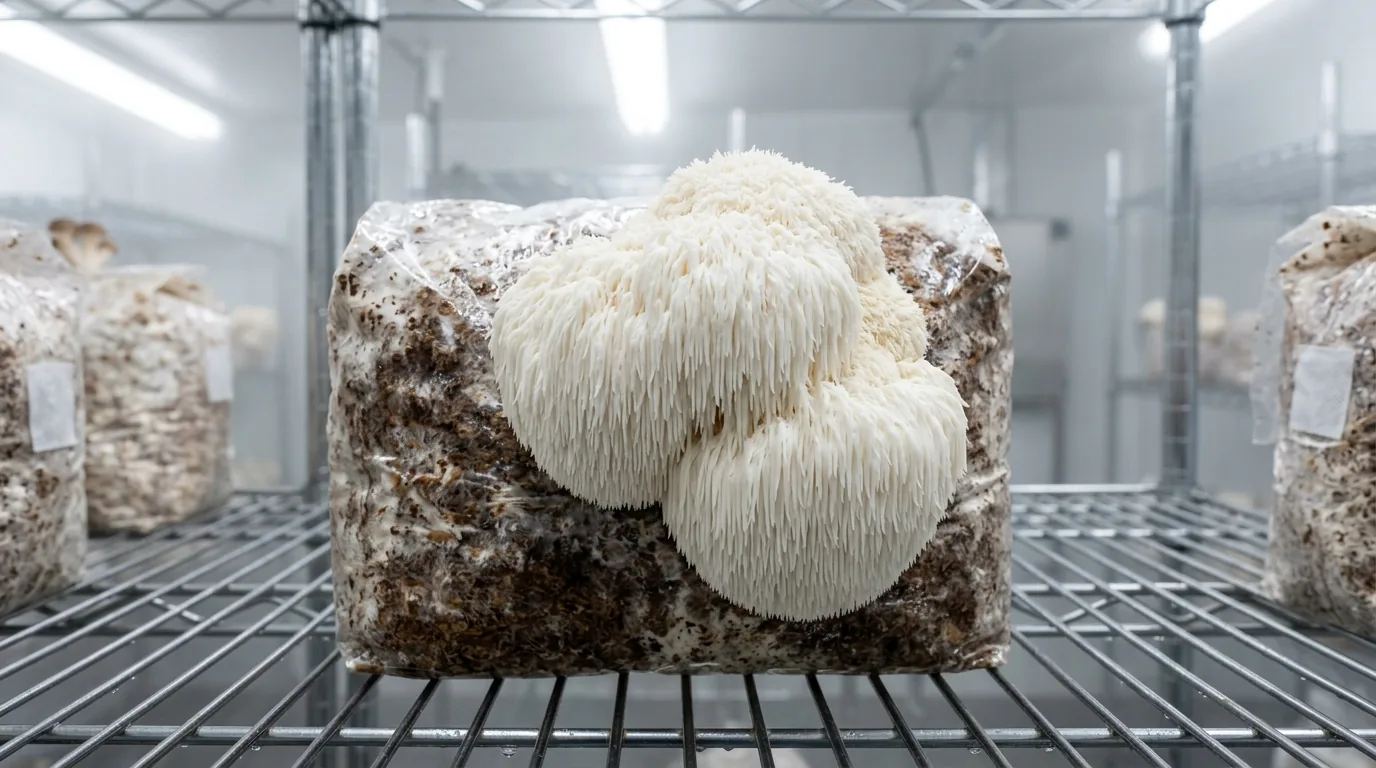
Difficulty: Intermediate Substrate: Hardwood sawdust + wheat bran (supplemented) Spawn: Grain or sawdust Fruiting conditions: 65-75°F, high humidity (90%+), some FAE but not excessive Timeline: 4-8 weeks from colonized substrate to harvest
Lion's mane produces large, beautiful white pom-pom fruiting bodies with a seafood-like flavor (often compared to crab or lobster). It's also one of the most studied culinary mushrooms for cognitive health — containing compounds that promote Nerve Growth Factor (NGF).
The cubensis connection: Lion's mane requires higher humidity and is slightly more sensitive to contamination than oysters. Sterilized supplemented sawdust is required (similar discipline to grain preparation). A good intermediate species that builds agar work skills.
Shiitake (Lentinula edodes)
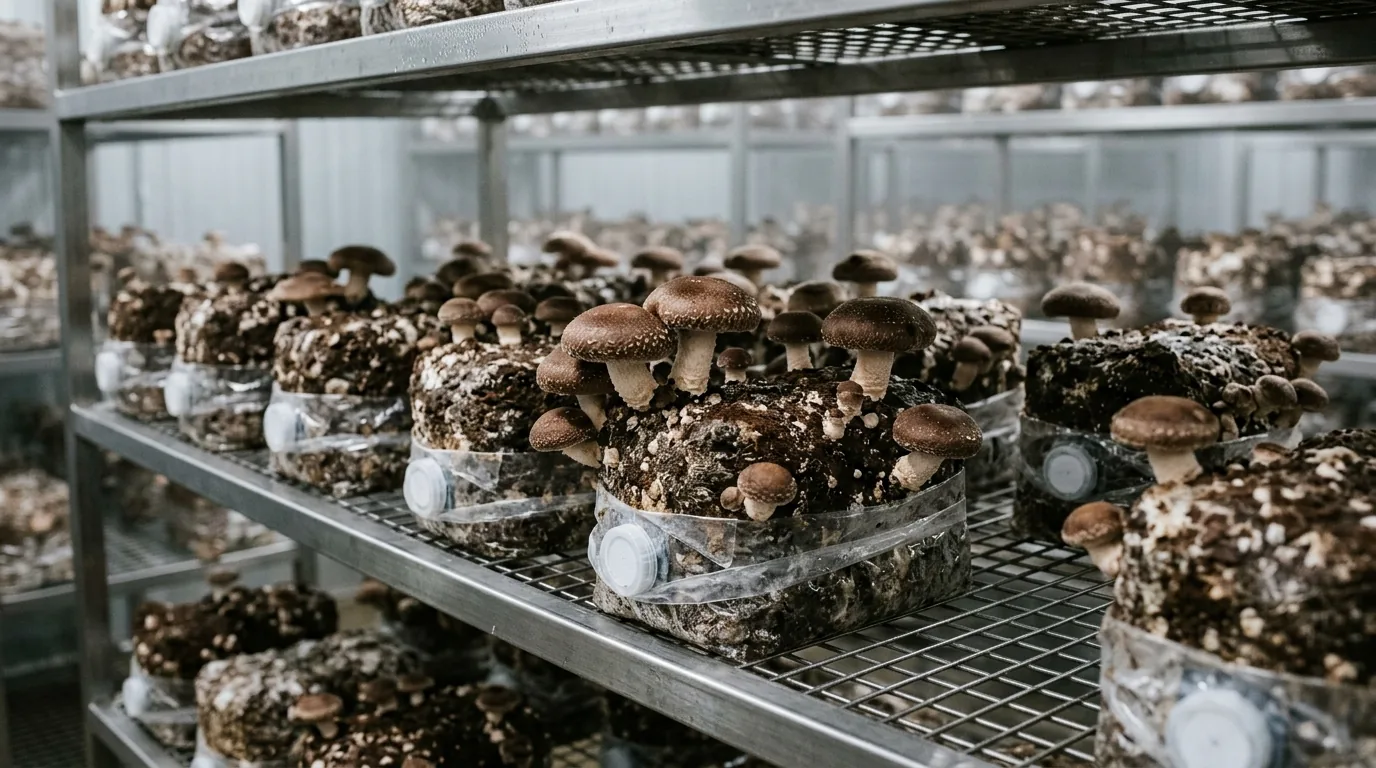
Difficulty: Intermediate Substrate: Supplemented hardwood sawdust (sawdust + wheat bran or rice bran) Spawn: Grain or sawdust Fruiting conditions: 55-75°F (prefers cooler), high humidity, cold shocking to initiate fruiting Timeline: 8-16 weeks (longer colonization than most gourmet species)
Shiitake is worth the patience — the culinary quality from fresh home-grown shiitake dramatically exceeds grocery store dried or fresh product. Cold shocking (moving blocks to cooler temperatures or dipping in cold water) triggers fruiting in the same way environmental stress triggers cubensis pinning.
The cubensis connection: Shiitake's slow colonization and supplemented substrate requirements develop patience and contamination management skills. The fruiting initiation (cold shocking) parallels the environmental triggers used in some cubensis fruiting protocols.
King Oyster (Pleurotus eryngii)
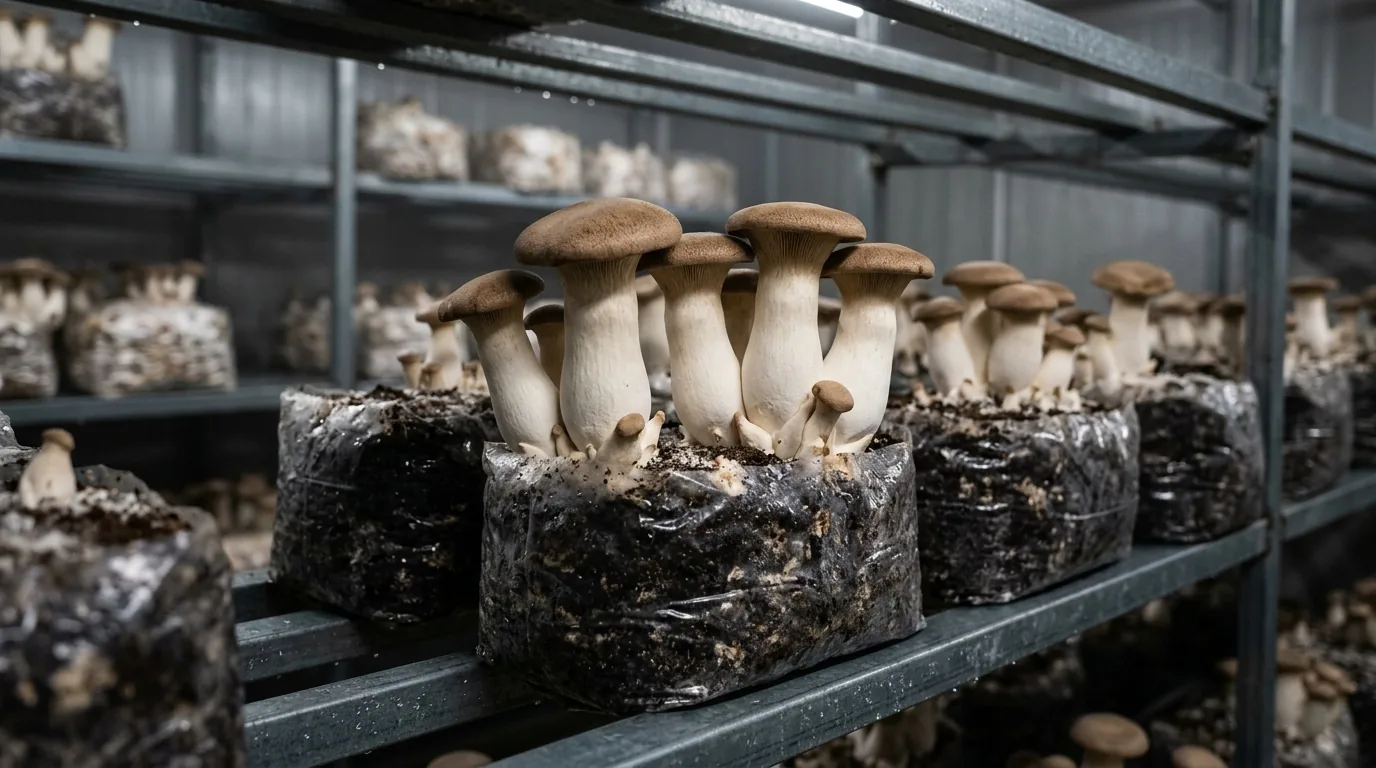
Difficulty: Beginner-Intermediate Substrate: Supplemented sawdust or grain-based substrate Fruiting conditions: 55-65°F (cooler than standard oyster), high humidity Timeline: 4-6 weeks
Produces meaty, stem-dominant fruiting bodies with exceptional culinary texture. The lower temperature requirement makes it a good winter grow when other species slow down.
Wine Cap / Garden Giant (Stropharia rugosoannulata)
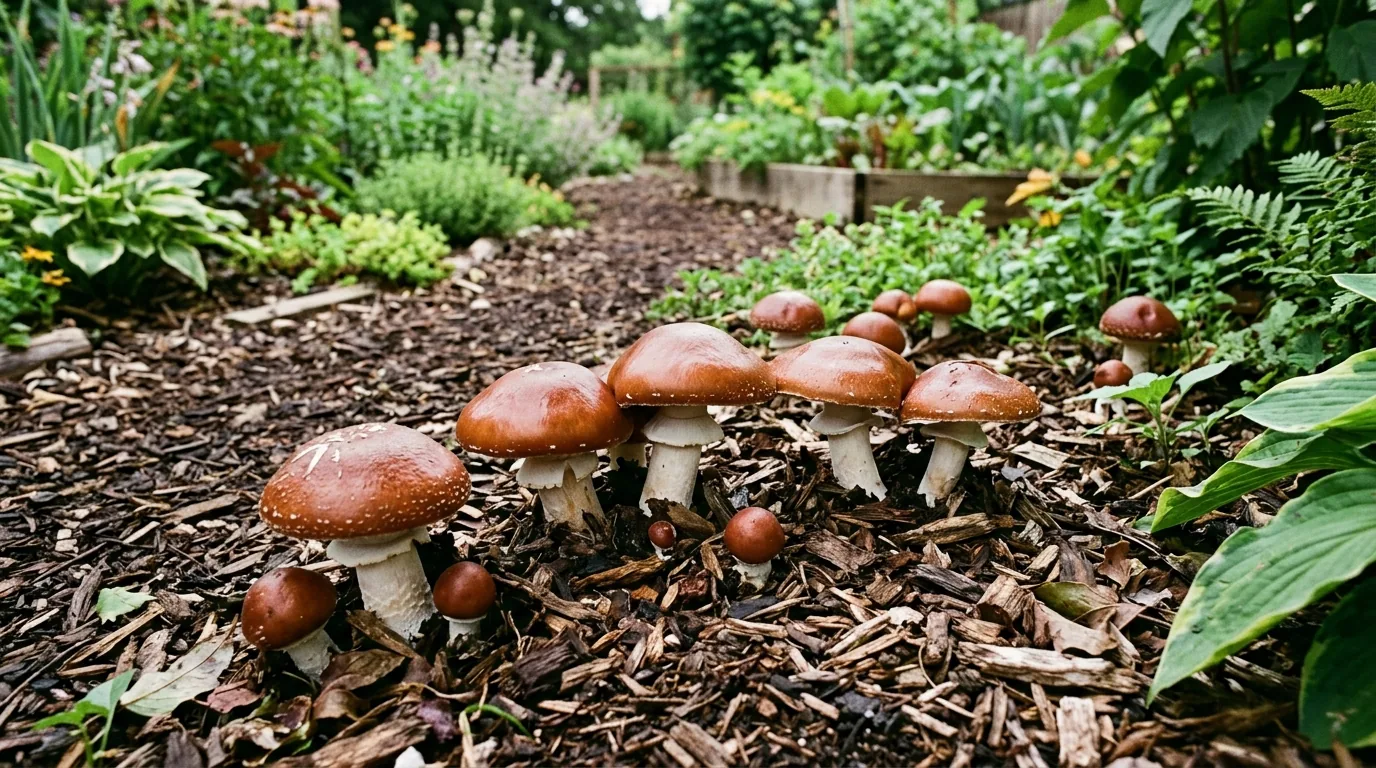
Difficulty: Beginner (for outdoor beds) Substrate: Straw, wood chips, garden beds Fruiting conditions: Outdoor conditions, preferably shaded Timeline: 3-12 months (seasonal outdoor fruiting)
Wine caps are one of the few gourmet species that grow well outdoors in wood chip garden beds. Once established, a wine cap bed can produce for years with minimal maintenance. An excellent introduction to outdoor mushroom cultivation — the techniques (establishing substrate beds, moisture management) are directly applicable to outdoor Psilocybe cultivation.
Shared Equipment Across Species
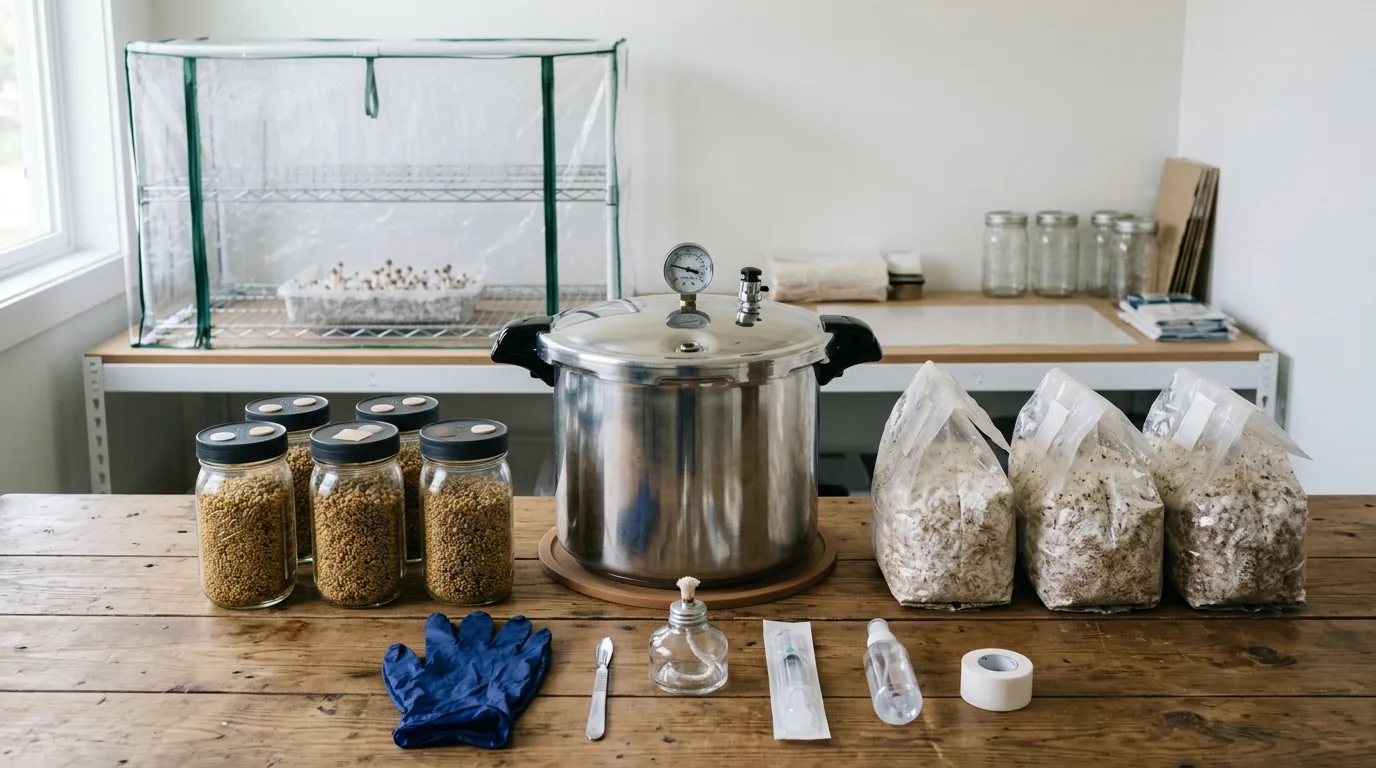
The equipment required for gourmet species largely overlaps with psilocybin cultivation:
- Pressure cooker (required for supplemented substrates; straw can be pasteurized)
- Mason jars or spawn bags
- Grain (WBS, rye, wheat) for spawn
- Humidity controller and humidifier for fruiting
- FAE fan and timer
- Martha tent or similar fruiting chamber
The main additional item for some gourmet species: a large pot for pasteurizing straw (oyster substrate), which doesn't require a pressure cooker.
Contamination Differences
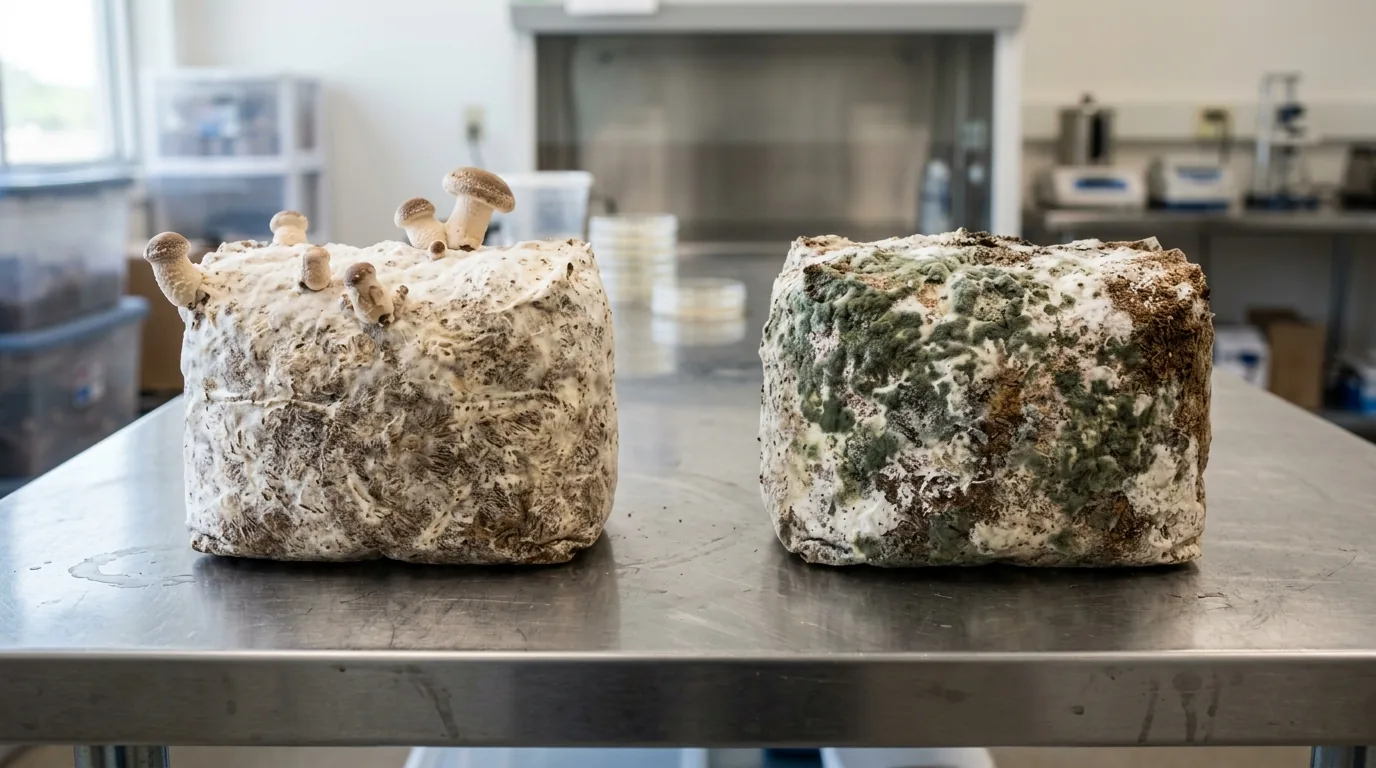
Gourmet species vary significantly in their vulnerability to contamination:
High contamination resistance (like cubensis): Oyster mushrooms, wine caps — fast colonizers that out-compete competitors.
Moderate sensitivity (like most cubensis strains): King oyster, lion's mane — require proper sterilization and aseptic technique but are forgiving of minor lapses.
Higher sensitivity: Shiitake, certain specialty species — long colonization times increase exposure windows; sterilization and aseptic work matter more.
Building a Multi-Species Grow
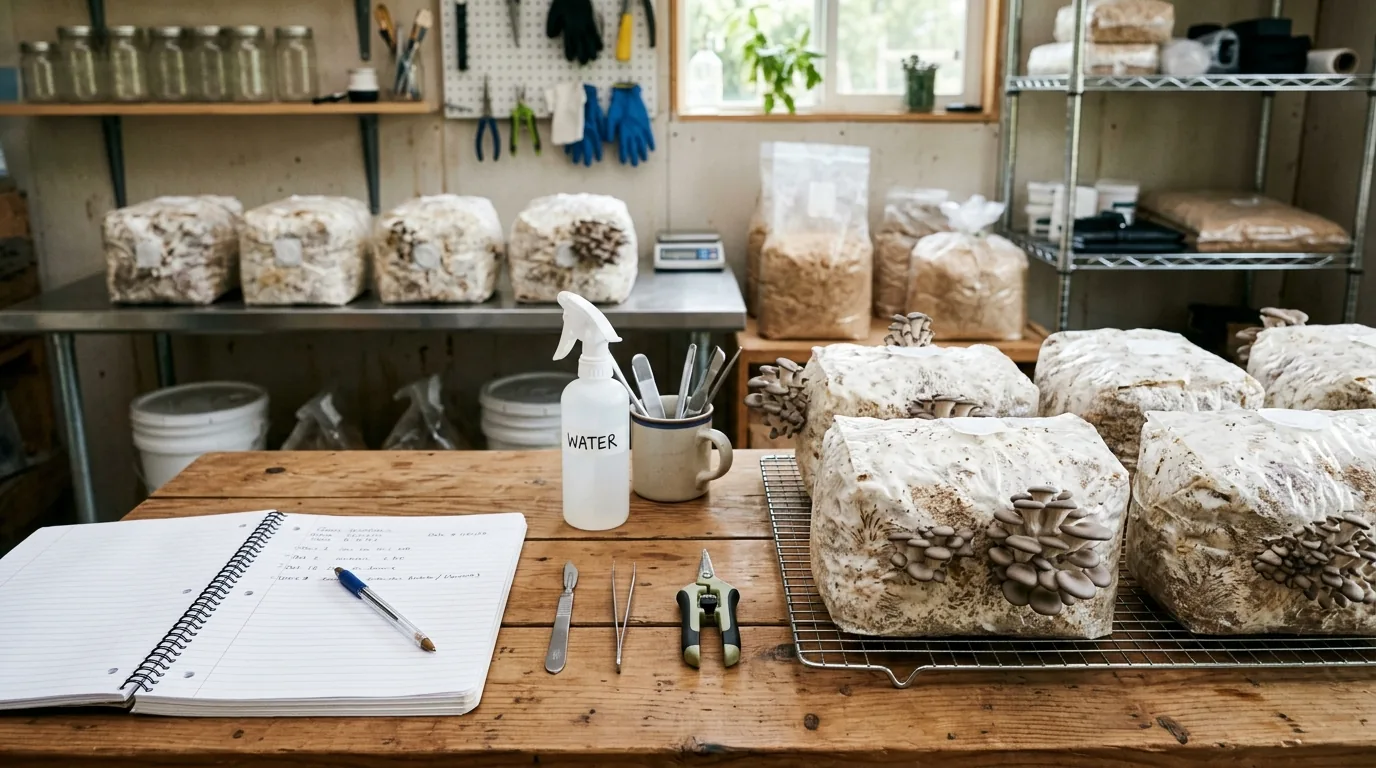
A common legal home cultivation setup:
- Oysters as the beginner/low-effort species.
- Shiitake as a long-term "slow" project.
- Lion's mane for culinary variety and humidity practice.
- Reishi or wine caps for a different fruiting style.
- A separate notes section for legal research if you are studying psilocybin policy.
Each species teaches something different and provides material for the growing season. The cumulative skill development across multiple species makes any single species easier to work with.
Legal Note
Cultivating gourmet edible mushroom species is legal everywhere. Growing spores of Psilocybe cubensis is legal in most US states (spores don't contain psilocybin). Cultivating Psilocybe cubensis to fruition is illegal in most jurisdictions outside Oregon, Colorado, and a small number of cities and countries. Know your local laws before growing psilocybin species to fruition.
Common Problems & Troubleshooting
See the Contamination Guide for common issues.
Tips for Success
Take notes at every stage. Consistency beats perfection.