Liquid Culture Guide
Everything you need to know about Liquid Culture Guide — from materials to first harvest.
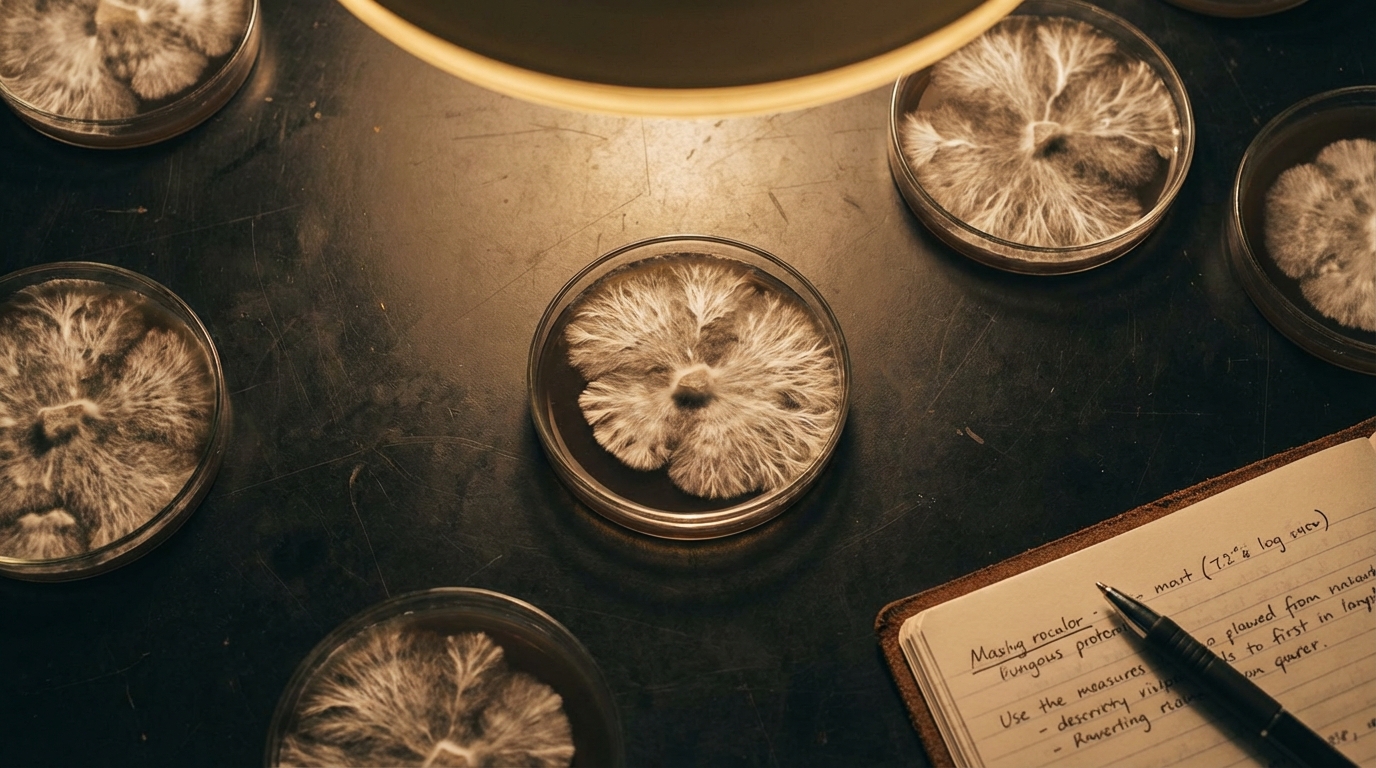
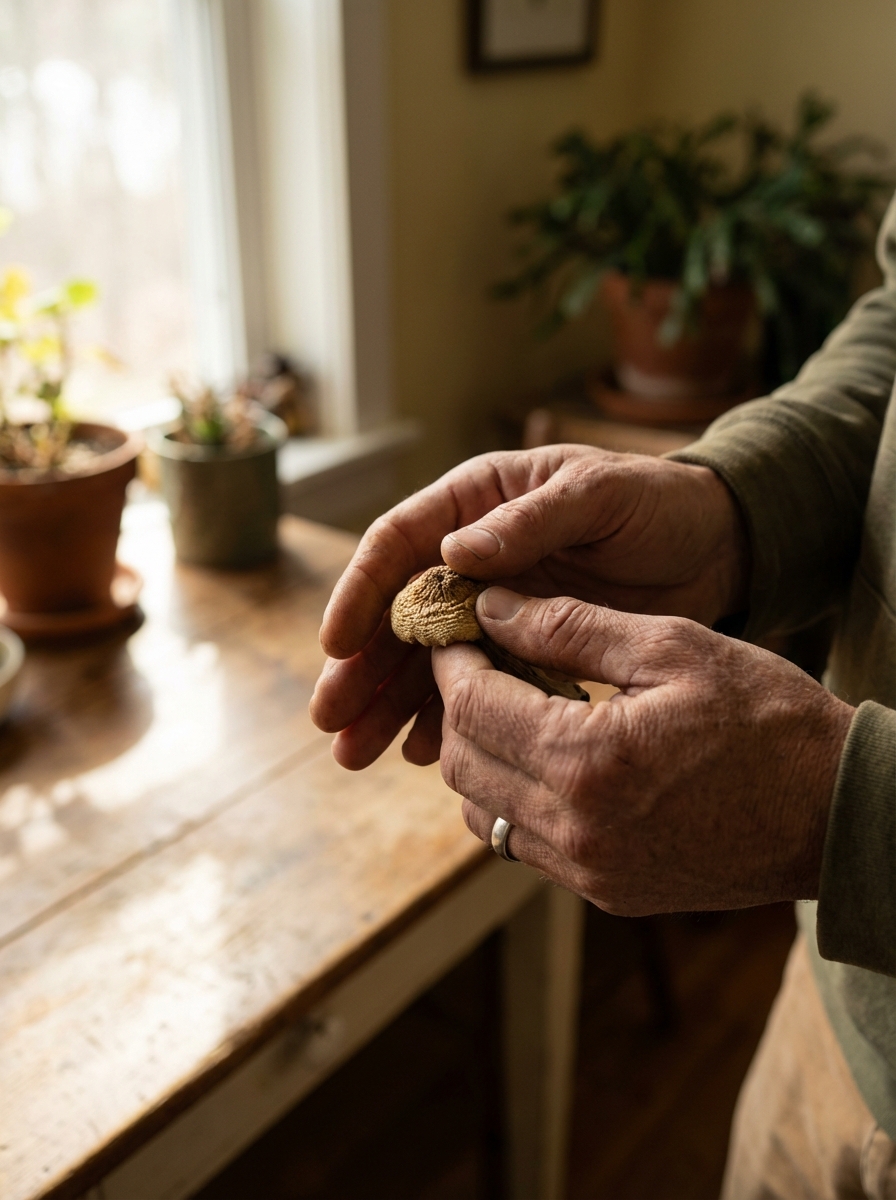
What You'll Need
- See full supply list in guide below.
Find grow supplies at vendors in our Directory.
Step-by-Step Process
Liquid Culture Guide: Creating and Using LC for Mushroom Cultivation
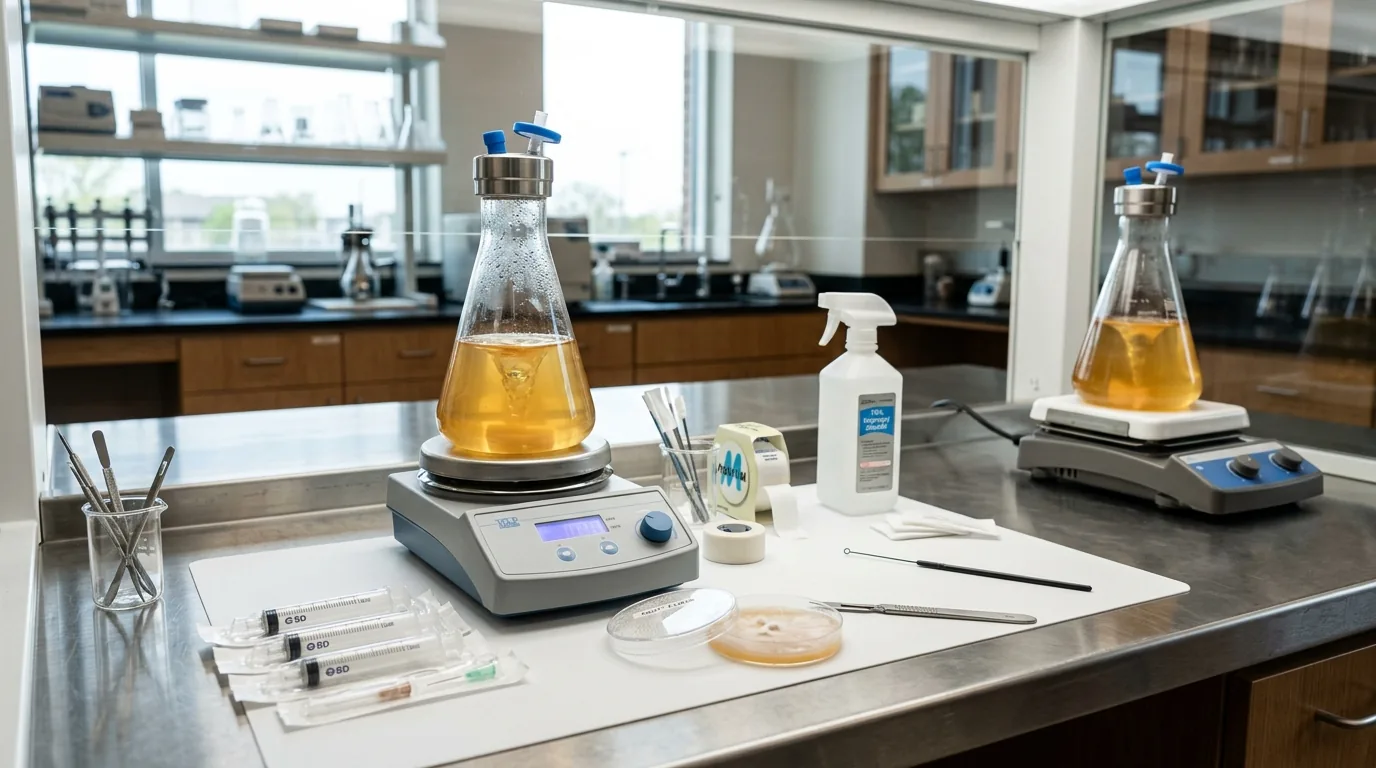
Liquid culture (LC) is one of the most valuable tools in the intermediate cultivator's toolkit. A liquid culture is a solution of water, nutrients, and live mycelium — essentially a liquid inoculant that allows you to rapidly colonize grain jars or bags without spore germination. This guide covers everything from making your first LC to advanced techniques for maintaining healthy culture libraries.
What Is Liquid Culture and Why Use It?
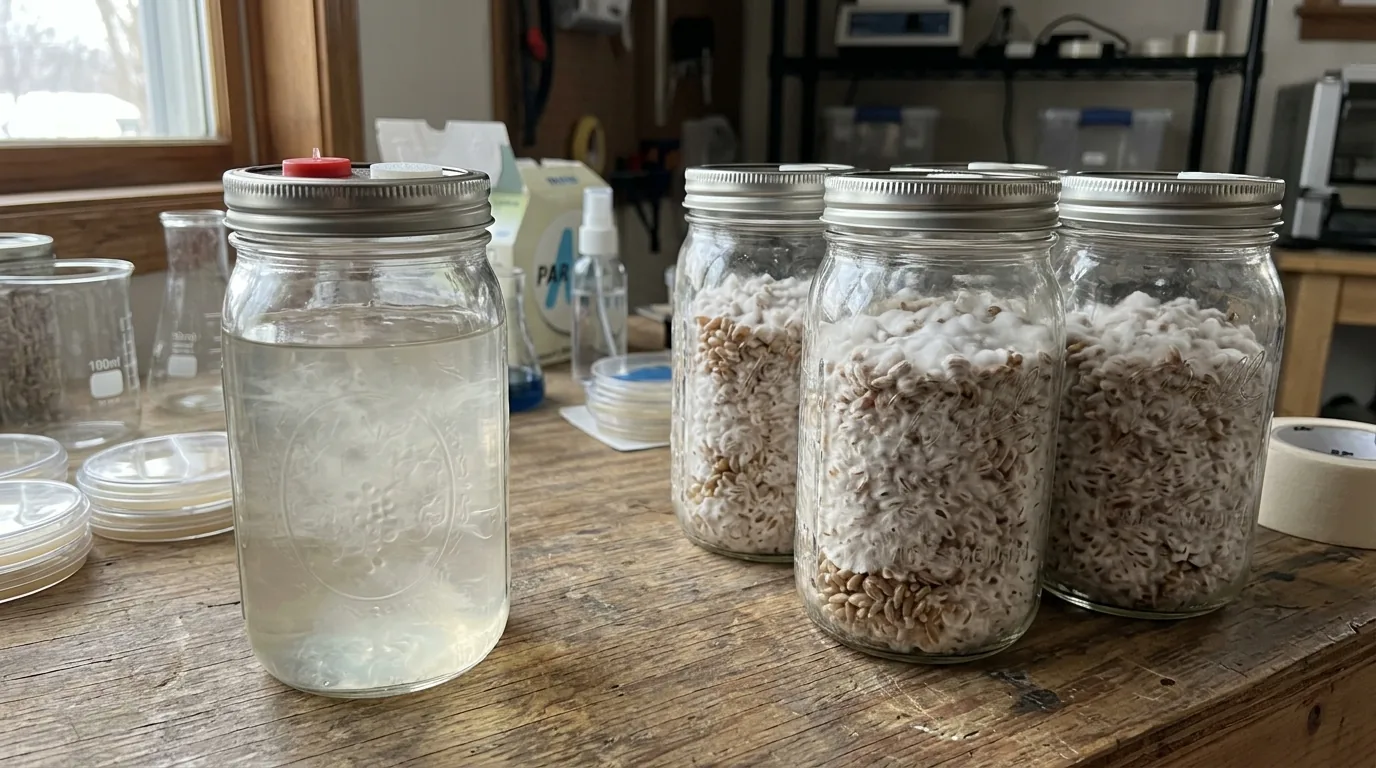
Liquid culture is mycelium suspended in a nutrient solution — typically water with a small amount of sugar (honey, malt extract, or corn syrup). Unlike spore syringes, which require germination and sorting through genetic diversity, a good liquid culture contains only live, actively growing mycelium from a verified, productive culture.
Advantages over spore syringes:
- Faster colonization: Mycelium goes to work immediately; no germination period
- Genetic consistency: All inoculations from the same LC are genetically identical
- Lower contamination risk: Less time colonizing = less exposure window
- Cost: You can create dozens of syringes from one LC jar
Disadvantages:
- Requires a clean working environment — contamination in LC affects all subsequent inoculations
- Requires a starting culture (agar clone or verified spore-to-agar progression)
- Liquid cultures have a shelf life and need to be maintained
What You Need
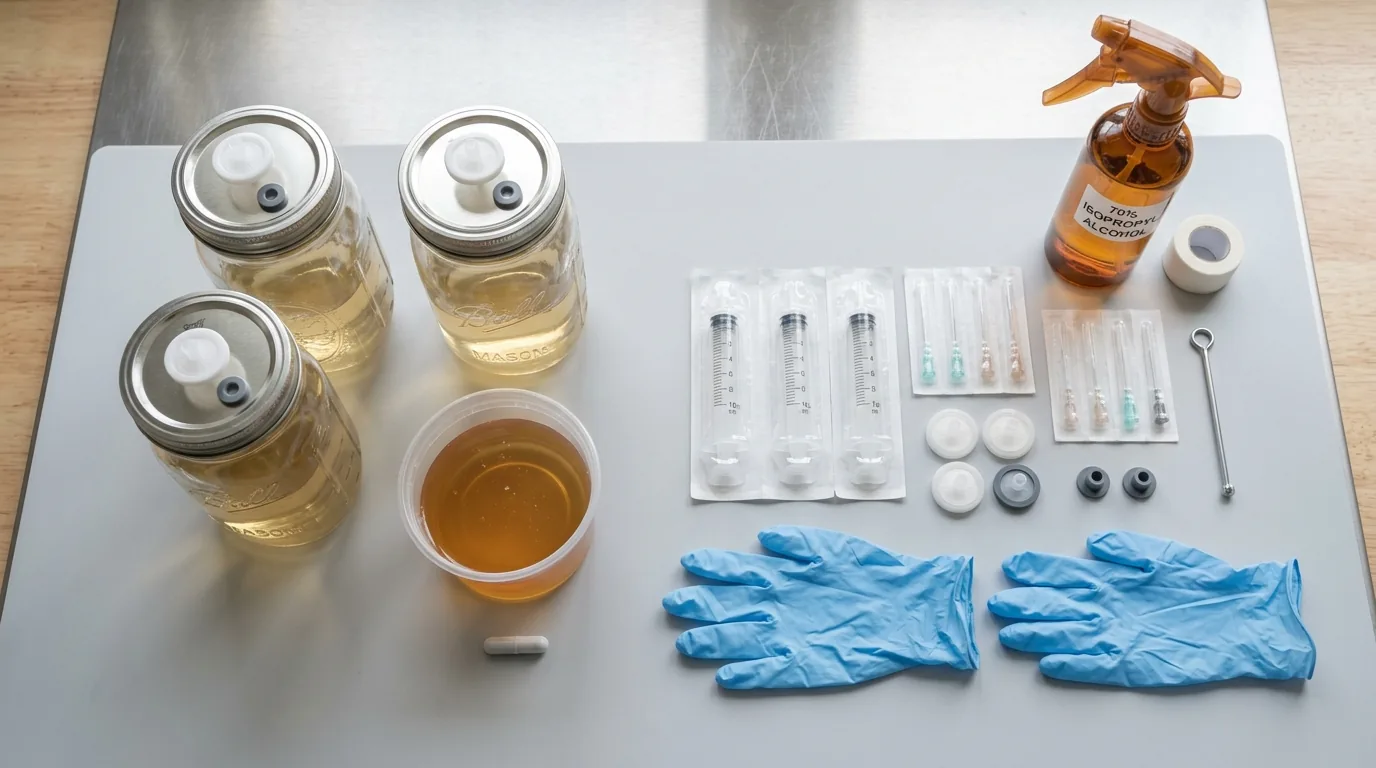
Equipment:
- Mason jars or Erlenmeyer flasks (250ml–500ml work well)
- Self-healing injection ports (or silicone-stoppered lids)
- 10cc syringes and 18-gauge needles
- Stir bar and magnetic stir plate (optional but excellent)
- Pressure cooker (15 PSI)
- Still air box or flow hood
Ingredients (per 250ml LC):
- 250ml distilled water
- 2.5g light malt extract (LME) — 1% solution, or
- 2.5ml honey in 250ml water, or
- 2.5g corn syrup
The nutrient concentration matters: too rich encourages bacterial contamination; too sparse slows mycelium growth. A 1% sugar solution is the standard safe starting point.
Making the Nutrient Solution
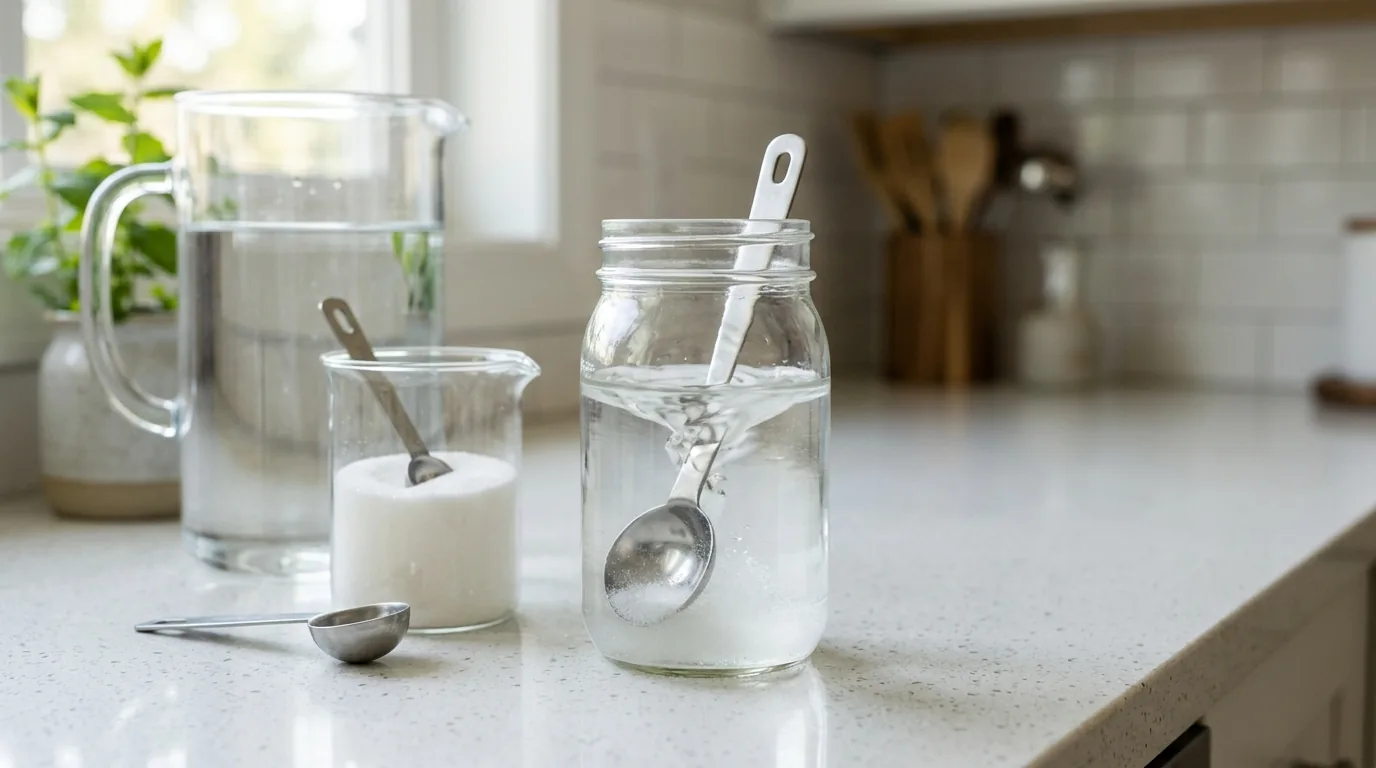
- Mix your nutrient (LME, honey, or corn syrup) into distilled water — cold water, before sterilization
- Pour into jar with stir bar (if using one) and self-healing injection port lid
- Pressure cook at 15 PSI for 20–25 minutes
- Allow to fully cool (overnight is fine) before inoculating
Why use distilled water? Tap water contains chlorine and minerals that can inhibit mycelium growth or create cloudiness that makes it difficult to assess contamination.
Inoculating Your LC
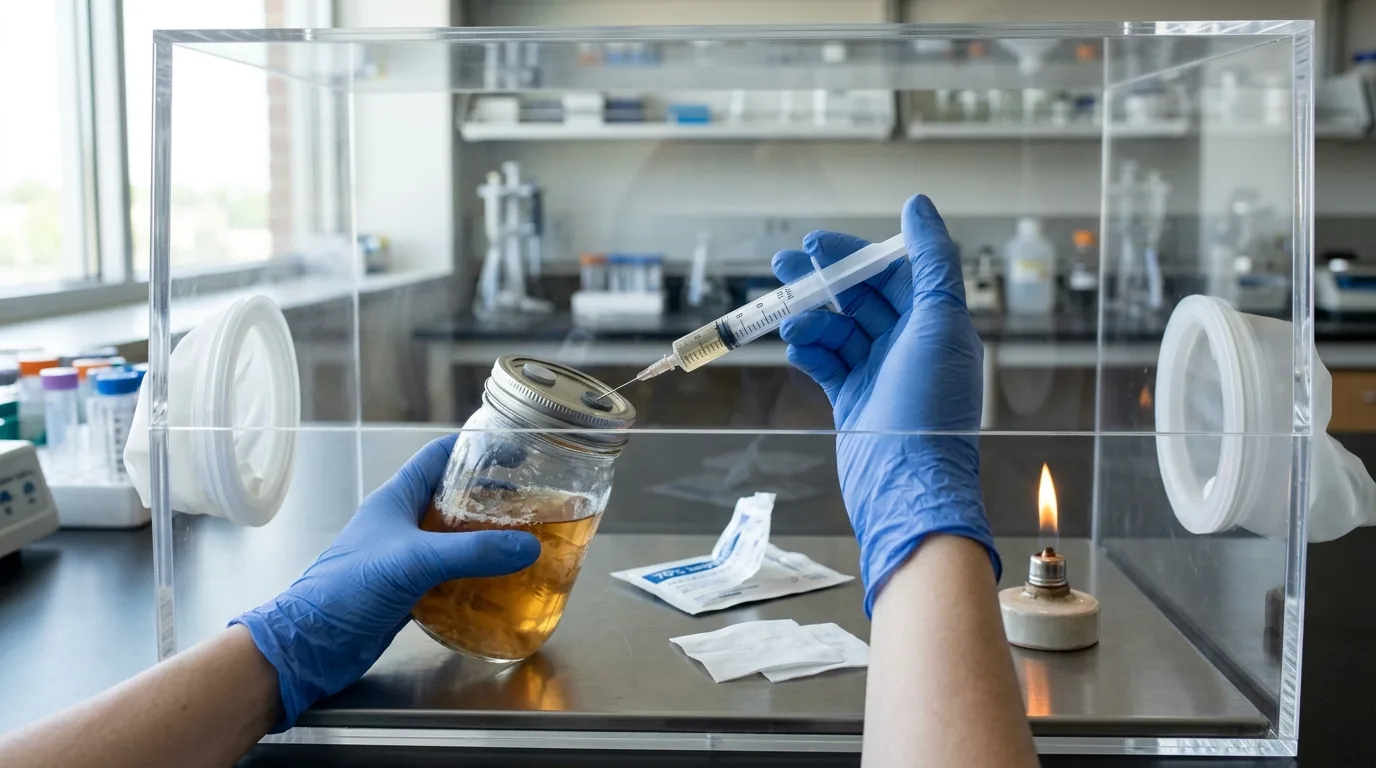
You need a clean culture source:
- From agar: Take a small piece of clean mycelium from an agar plate using a sterilized scalpel, and drop it into the cooled LC jar
- From a verified spore syringe: Inject 1–2cc directly into cooled LC through the injection port — then wait for germination (1–2 weeks)
Working in still air box (SAB): Fan off, wait 10 minutes before opening anything, move slowly. With a flow hood, standard laminar flow protocols apply.
After inoculation, gently swirl to distribute the mycelium.
Growing Out and Maintaining
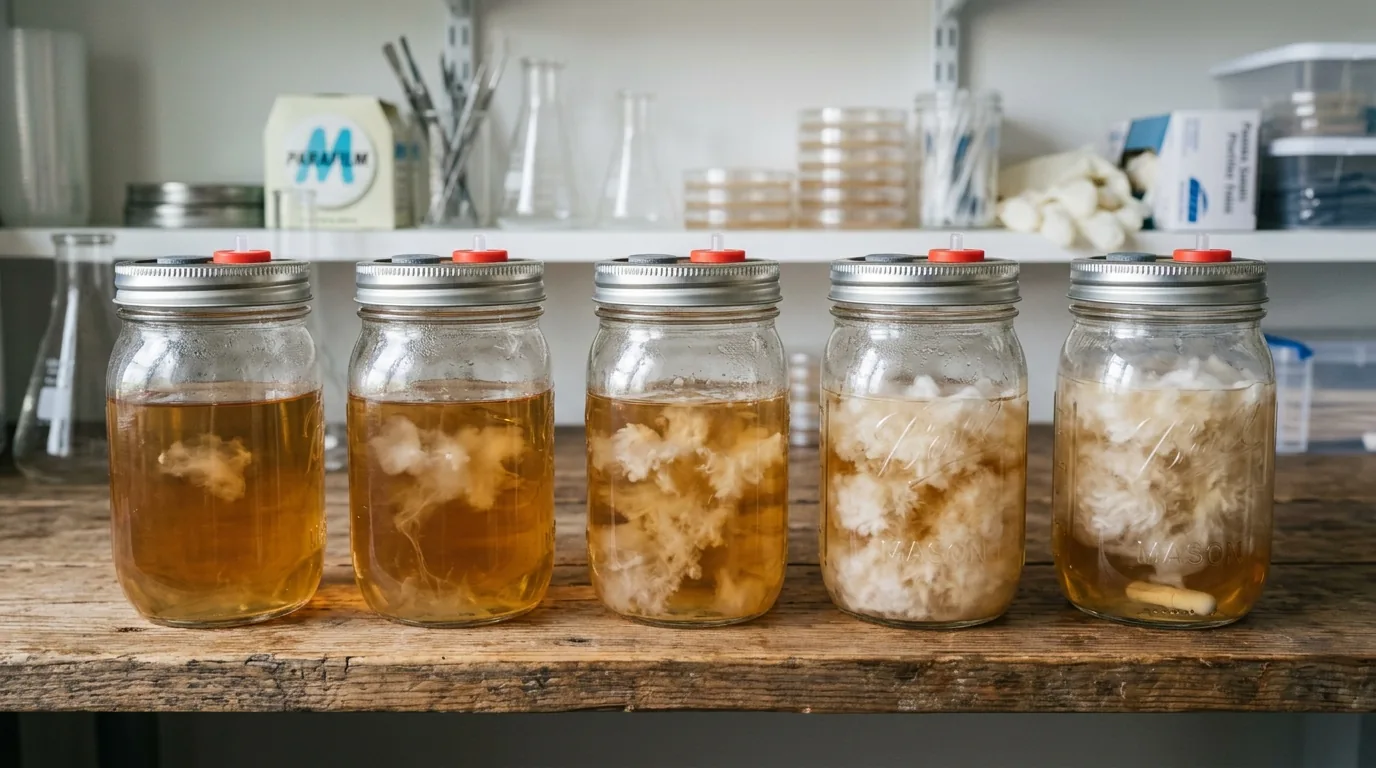
Temperature: Most cubensis LC grows well at 70–78°F. Higher temperatures accelerate growth but also accelerate contamination risk.
Agitation: Daily gentle swirling breaks up mycelium clumps and distributes nutrients. If using a stir plate: low speed, constant agitation. A stir plate dramatically accelerates colonization and produces finer, more homogenous mycelium.
Timeline:
- Day 1–3: Often nothing visible (normal)
- Day 3–7: White wisps or patches beginning to form
- Day 7–14: Cloudy growth throughout liquid
- Day 14–21: Dense white mycelium visible throughout
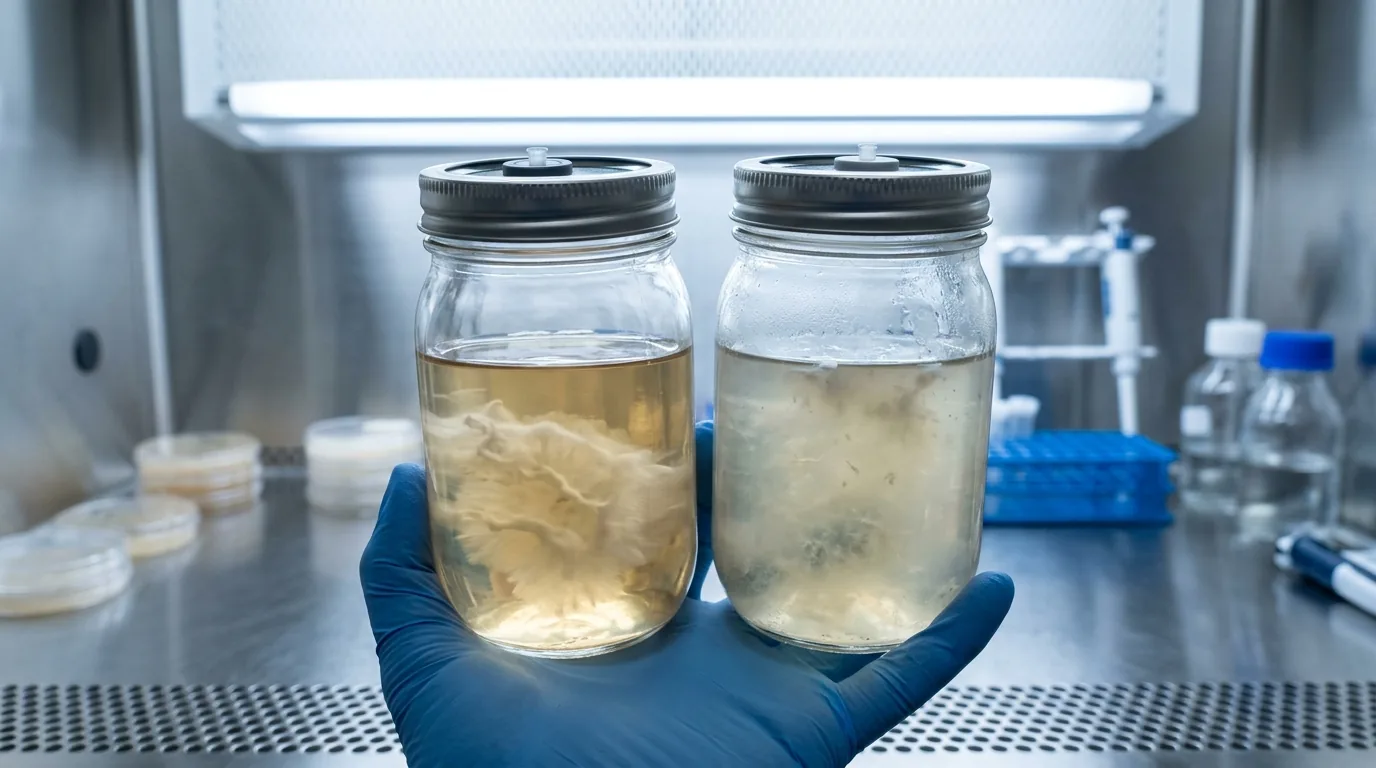
What healthy LC looks like: White, fluffy strands or a homogenous milky appearance throughout the solution. The liquid itself remains clear or very slightly yellow.
What contamination looks like: Green, black, pink, or orange patches (mold). Foul smell when jar is opened. Yellow or brown liquid that looks murky rather than just milky-cloudy. Any contaminated LC should be disposed of — do not use, do not save.
Drawing and Using LC Syringes
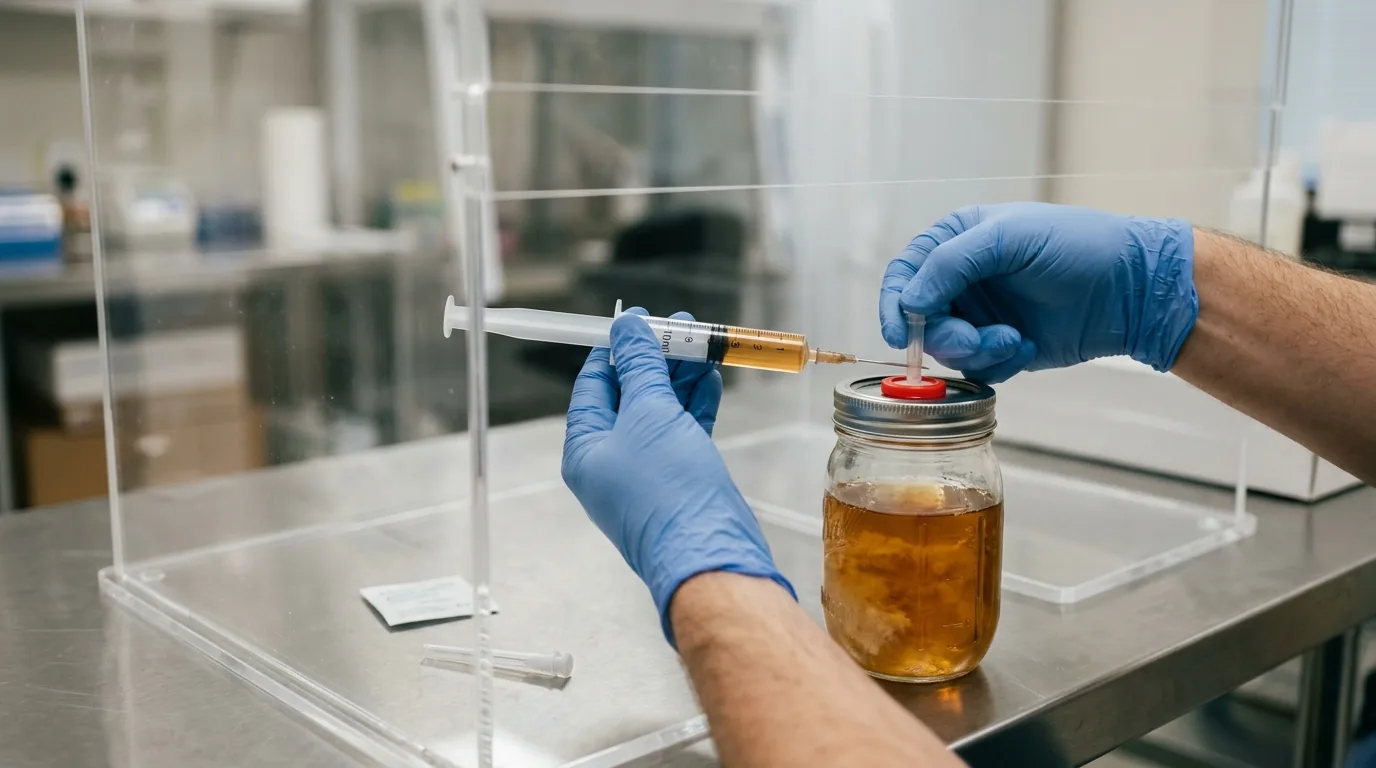
Once your LC is colonized:
- Flame sterilize the needle until orange
- Allow to cool for 5 seconds (or briefly wipe with isopropyl)
- Insert through the self-healing injection port
- Draw back the plunger slowly — the LC will fill the syringe
- Repeat as needed; store syringes in refrigerator up to 3–6 months
Inoculation rate for grain jars:
- 1–2cc per quart jar is sufficient with active LC
- Spread inoculation points across different areas of grain
Colonization speed: With good LC, a quart jar of hydrated grain can colonize in as little as 7–10 days, compared to 14–21 days from spore syringe.
Long-term Storage and Culture Libraries
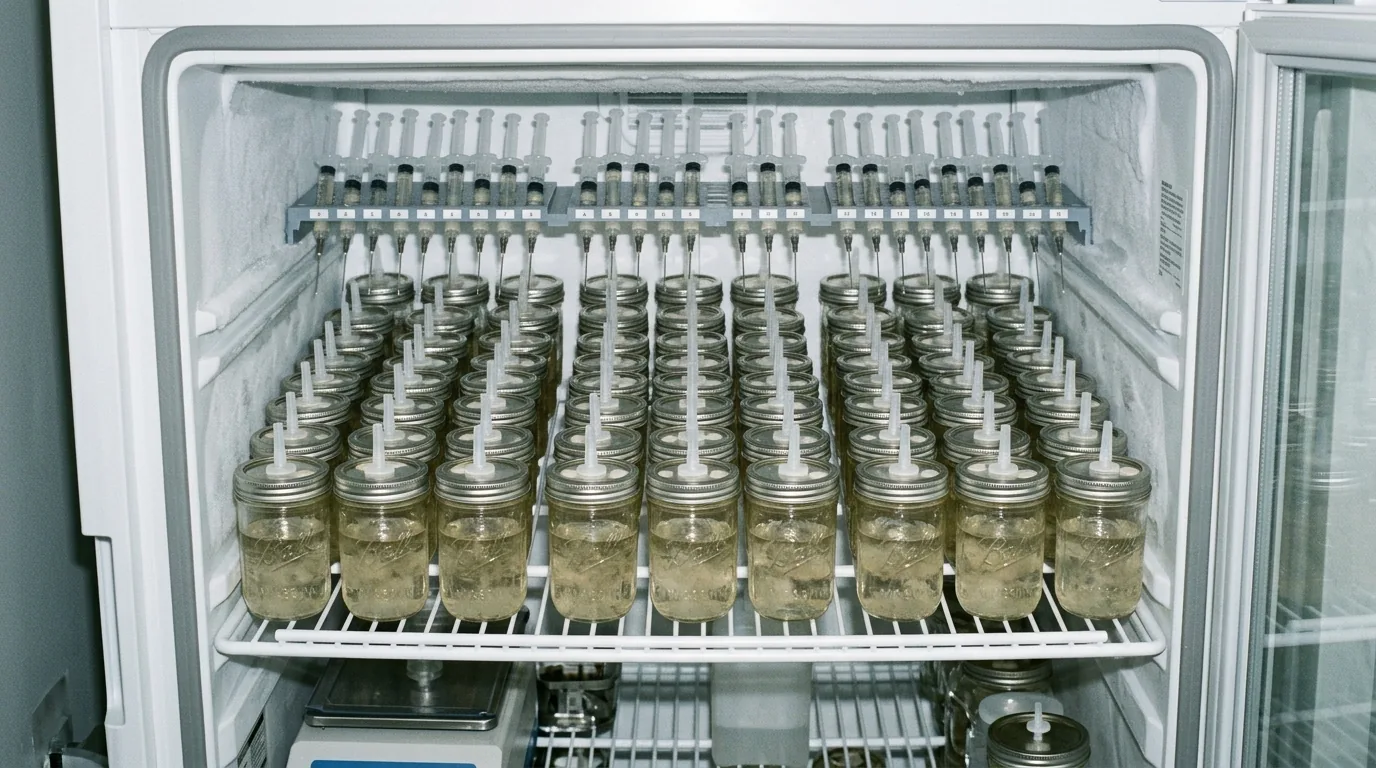
Short-term (months): Store LC syringes in refrigerator (34–38°F). Mycelium goes dormant but remains viable. Before using stored LC, allow to warm to room temperature and assess for contamination.
Medium-term (1–2 years): LC can be stored in a refrigerator with occasional agitation. Quality degrades over time — older LC may colonize more slowly.
Long-term: Agar plates are more stable for long-term storage than liquid culture. For permanent storage, glycerol stock (–80°C freezer) is used in professional mycology but rarely practical for home cultivators.
Culture library strategy: Maintain multiple LC jars from the same verified clean agar plate. If one contaminates, others serve as backup. Label everything with strain name and date.
Troubleshooting
LC not growing after 2 weeks:
- Was it pressure cooked adequately? Residual heat from the lid doesn't sterilize
- Was the source culture viable? Spore syringes can have low viability
- Temperature too cold? Below 65°F significantly slows mycelium
LC growing very slowly:
- Nutrient concentration may be too low — try 2% next batch
- Temperature may be suboptimal — check ambient temp
- Agitation inadequate — daily swirling helps
Contamination:
- Dispose of. Don't inoculate from contaminated LC
- Review sterile technique — was needle properly flamed? Was still air box used?
- Check source culture — contamination may have come from agar plate
Advanced Techniques
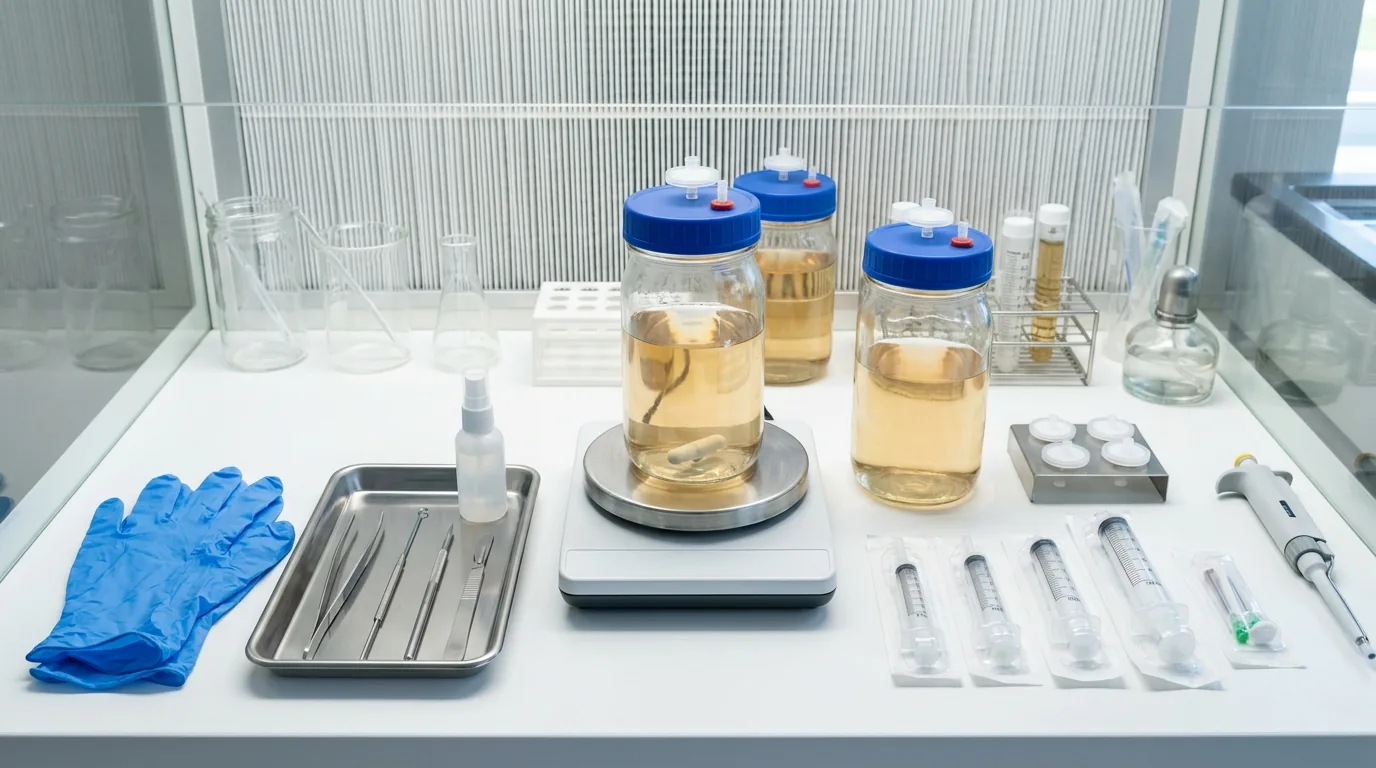
Multi-spore to LC: A more advanced grower's workflow runs spores → agar → clean agar clone → LC, rather than spore → LC directly. This step eliminates genetic diversity and ensures you're working with confirmed clean, productive genetics before scaling up.
LC from grain colonization scraping: Scrape a small amount of clean grain mycelium from a well-colonized, uncontaminated grain jar into fresh LC. This works and avoids the agar step, but carries some grain debris into the LC.
Stir bar protocol: With a stir plate running at ~60–100 RPM, LC colonizes in 5–7 days rather than 14–21 days. Mycelium becomes finely dispersed, making it easy to load syringes uniformly. This is the professional standard for LC production.
Common Problems & Troubleshooting
See the Contamination Guide for common issues.
Tips for Success
Take notes at every stage. Consistency beats perfection.