Wild Psilocybin Species — Field Guide
Identification profiles for wild psilocybin-containing mushroom species — habitat, distribution, key identification features, and dangerous lookalikes. Always verify with an expert mycologist before consuming any wild mushroom.

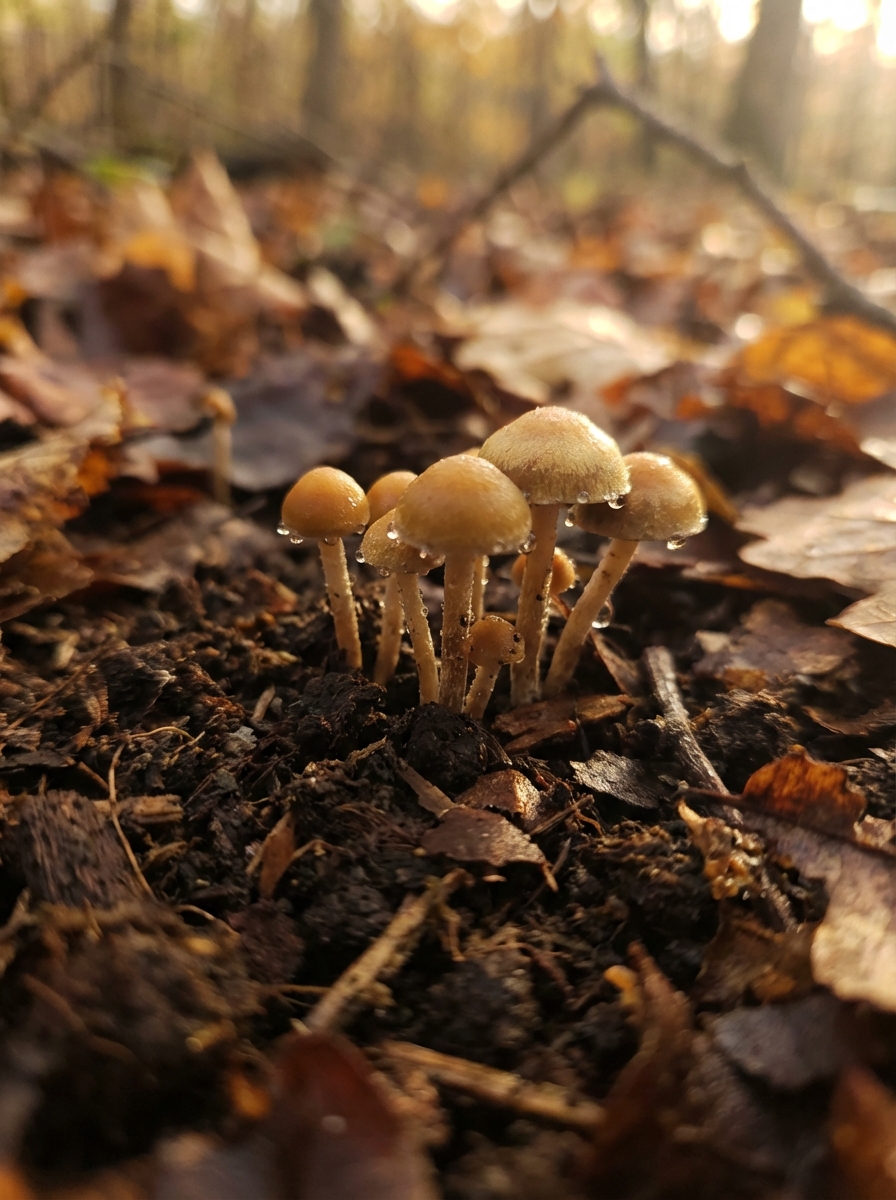

Psilocybe semilanceata
★★★★★Liberty Cap
Grasslands, meadows, pastures; often with fescue grass; cool, wet climates
Read field guide →
Psilocybe azurescens
★★★★★Flying Saucers, Azzies
Coastal dune grasses, Ammophila (beachgrass); woody debris on Pacific coast
Read field guide →
Psilocybe cyanescens
★★★★☆Wavy Caps, Blue Halos
Mulched garden beds, wood chips, parks; introduced via wood chip mulch worldwide
Read field guide →
Psilocybe mexicana
★★☆☆☆Teonanácatl (historical Mazatec name)
Subtropical grasslands, moss-covered roadsides, meadows with cattle; Central Mexico (Oaxaca, Veracruz)
Read field guide →
Panaeolus cyanescens
★★★★☆Blue Meanies, Pan Cyan
Dung, heavily fertilized soil, subtropical grasslands; tropical and subtropical worldwide
Read field guide →
Psilocybe tampanensis
★★★☆☆Magic Truffles, Philosopher's Stones
Sandy soils in subtropical environments; originally found in Tampa, Florida (1977)
Read field guide →
Psilocybe subaeruginosa
★★★★☆Subs (Australia/NZ)
Wood chips, decaying wood, mulched garden beds in urban areas
Read field guide →
Psilocybe stuntzii
★★☆☆☆Stuntz's Blue Legs, Blue Ringers
Wood chips, lawns, grassy areas; commonly in urban landscaped areas
Read field guide →
Psilocybe bohemica
★★★★★Bohemian Psilocybe
Spruce and mixed conifer forests; on decaying wood, roots, and needle litter
Read field guide →
Psilocybe pelliculosa
★☆☆☆☆Conifer Psilocybe
Conifer forests; on needle duff, decaying wood, and disturbed soil
Read field guide →
Psilocybe weilii
★★★☆☆Weil's Psilocybe
Red clay soils, disturbed grassy areas, roadsides; often near loblolly pine
Read field guide →
Psilocybe hoogshagenii
★★★☆☆Derrumbe
Coffee plantations, disturbed soils, stream banks in subtropical and tropical highlands
Read field guide →
Gymnopilus spectabilis
★☆☆☆☆Big Laughing Gym, Spectacular Rustgill
Decaying hardwood stumps, large logs, roots; sometimes conifers
Read field guide →
Psilocybe strictipes
★★★☆☆Rigid-Stemmed Psilocybe
Improved grasslands, lawns, parks, golf courses, roadsides
Read field guide →
Psilocybe cyanofibrillosa
★★☆☆☆Blue-Haired Psilocybe, Rhododendron Psilocybe
Sandy soils along streams and rivers; under alder, willow, cottonwood
Read field guide →
Psilocybe samuiensis
★★☆☆☆Ko Samui Psilocybe
Buffalo and cow dung, rice paddies, pastures, grassy roadsides in tropical lowlands
Read field guide →
Psilocybe aucklandii
★★★☆☆Auckland Psilocybe
Wood chips, mulched garden beds, forest edges with wood chip mulch
Read field guide →
Psilocybe galindoi
★★★☆☆ATLantis truffle, Philosopher's Stone (cultivated form)
Subtropical meadows and grasslands, meadow soils with buried organic matter; forms sclerotia (hardened underground bodie…
Read field guide →
Psilocybe natalensis
★★★★☆Natal Super Strength
Dung-enriched grasslands and pastures, particularly cattle dung in subtropical regions; also found on compost and wood d…
Read field guide →
Psilocybe liniformans
★★☆☆☆European liberty cap lookalike
Grassy areas, meadows, and lawns; grows in similar conditions to P. semilanceata but slightly different microhabitat pre…
Read field guide →
Psilocybe fimetaria
★★☆☆☆Dung loving psilocybe
Rich soils, dung heaps, compost, and manured grasslands; often in agricultural and horse-grazing areas
Read field guide →
Psilocybe makarorae
★★★☆☆New Zealand native psilocybe
Podocarp and beech forests on decaying wood and leaf litter; New Zealand native forest ecosystems
Read field guide →
Psilocybe caerulipes
★★☆☆☆Blue-foot psilocybe
Decaying hardwood logs and debris, especially beech and elm; forest edges and riparian woodland
Read field guide →
Psilocybe ovoideocystidiata
★★★☆☆Ovoid cystidiate psilocybe
Riparian zones along stream banks and river edges; decaying wood and wood chips in moist, shaded environments
Read field guide →
Psilocybe zapotecorum
★★★☆☆Zapotec sacred mushroom
Subtropical forests on rich humous soils and rotting wood; often found near streams in cloud forest
Read field guide →
Psilocybe serbica
★★★☆☆Bohemian psilocybe (var. serbica)
Decaying hardwood (beech, alder, willow) in moist forest environments, particularly along stream edges
Read field guide →
Gymnopilus purpuratus
★★☆☆☆Purple Gymnopilus
Decaying conifer stumps and logs in temperate forests; also found on hardwood in some regions
Read field guide →