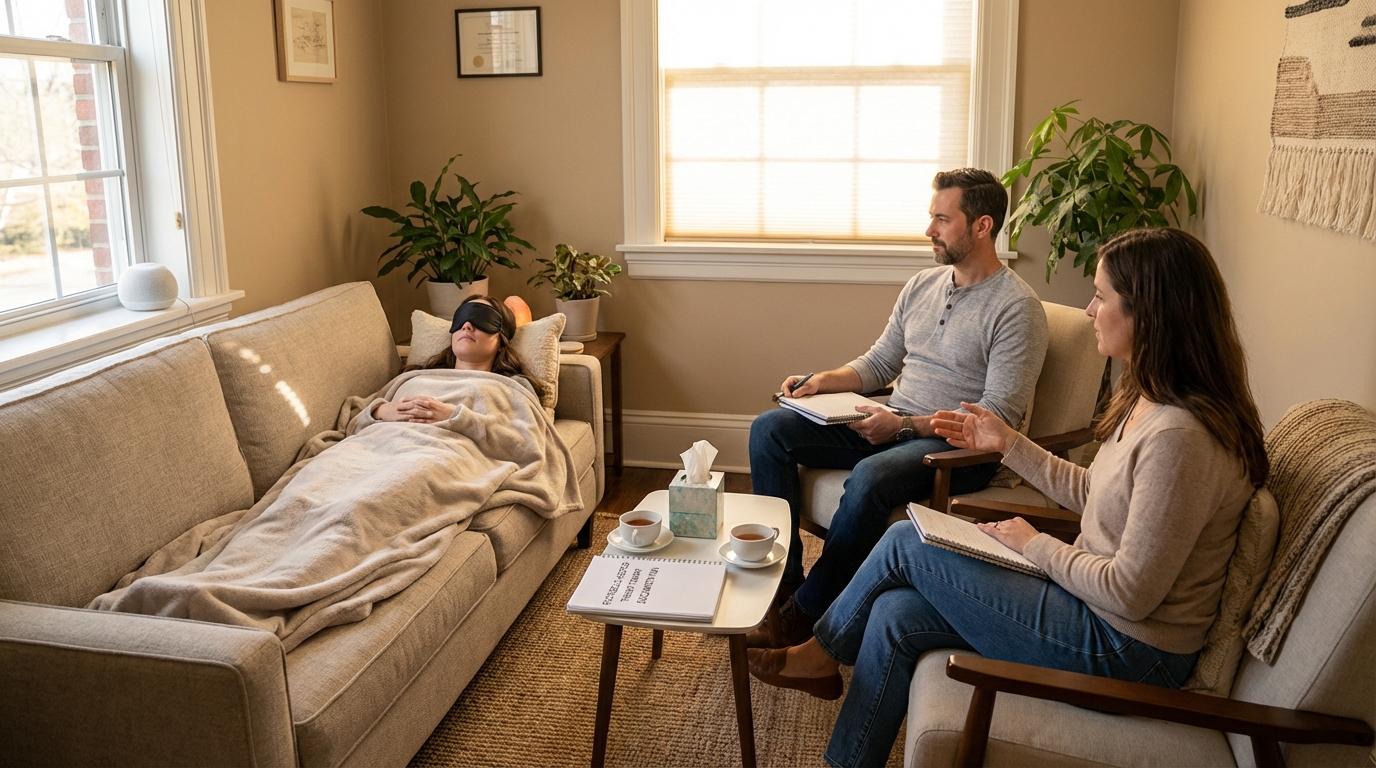
Somatic Integration After Psilocybin: Body-Centered Approaches
Integration after psilocybin — the process of working with experience to translate insights into lasting change — is widely recognized as essential. Less commonly discussed is the role the body plays in that process. Psilocybin experiences often i...
Somatic Integration After Psilocybin: Body-Centered Approaches
Integration after psilocybin — the process of working with experience to translate insights into lasting change — is widely recognized as essential. Less commonly discussed is the role the body plays in that process. Psilocybin experiences often involve profound physical sensations, emotional releases that feel embodied rather than purely cognitive, and encounters with memory that live in the body rather than the narrative mind. Body-centered integration approaches address this directly.
Why the Body Matters in Integration
Psychedelic experiences do not happen only in the mind. Psilocybin sessions frequently involve:
- Physical sensations of energy, pressure, tingling, or release
- Emotional material that presents as somatic sensation first (tightness in the chest, heaviness, nausea that is not simply physical)
- Movement impulses — the urge to curl up, stretch, press into the floor, or otherwise respond physically to internal states
- Breath changes accompanying emotional shifts
- Post-session body fatigue or unusual physical awareness in the days following
Standard talk-therapy integration addresses the cognitive content — the insights, the memories, the realizations. Somatic integration works with what the body carries that words haven't reached yet.
The researcher and trauma theorist Bessel van der Kolk's phrase — "the body keeps the score" — applies directly here. Psilocybin sessions sometimes access material that is encoded somatically rather than narratively. Working with it effectively requires body-level engagement.
The Plasticity Window and Physical Practice
One of psilocybin's most important pharmacological properties is its opening of a neuroplasticity window — a period following the session when the brain is more responsive to new learning and behavioral change. This window is thought to persist for days to weeks post-session.
Physical practices during this window may consolidate session material in ways that support lasting integration:
- Movement encodes new physical patterns alongside new psychological ones
- Breathwork accesses the same emotional-processing pathways that opened during the session
- Yoga and mindful movement bring sustained attention to body sensation — exactly the capacity that integration requires
The research hasn't directly studied somatic integration practices alongside psilocybin. But the theoretical basis is strong, and practitioners with significant clinical experience consistently recommend body-centered work in the post-session period.
Somatic Experiencing (SE)
Developed by Peter Levine, Somatic Experiencing is a therapy approach based on the observation that trauma responses involve incomplete physiological threat responses that remain "stuck" in the body. SE work involves:
- Tracking body sensation as primary information
- Noticing "felt sense" — the holistic body impression of an experience
- Completing incomplete survival responses that were interrupted during overwhelming events
- Moving through trauma cycles rather than re-narrating or re-experiencing them
SE is particularly relevant to the PTSD and trauma applications of psilocybin. If a psilocybin session surfaces trauma-linked material, a somatic experiencing practitioner provides a way to continue working with that material at the body level.
Finding a somatic experiencing practitioner for integration: the SE Institute's directory at traumahealing.org.
Yoga for Integration
Not all yoga is equally suited to integration support. The style matters:
Yin yoga: Long-held passive poses (typically 3–5 minutes each) targeting connective tissue and the deeper layers of muscle. The extended hold time requires sustained present-moment attention and often surfaces emotional material. Well-suited to the tender, open quality of the early post-session period.
Restorative yoga: Deeply supported poses using blocks, blankets, and bolsters. Activates the parasympathetic nervous system and creates a sense of safety and containment. Useful in the first 24–72 hours post-session when the system may still be processing.
Vinyasa/Hatha yoga: More active, generates heat and moves energy. Better suited to the second week of integration when the immediate sensitivity has passed. The rhythmic breath-movement connection in vinyasa specifically activates emotional processing.
Yoga nidra (yogic sleep): A guided body-scan and visualization practice performed lying down. Deeply restful while maintaining awareness. Some practitioners specifically use yoga nidra as an integration tool, guiding sessions with imagery that continues to work with session content.
Breathwork
Pranayama (yogic breathing): Various breath control techniques from the yoga tradition. Box breathing (4-4-4-4) for nervous system regulation; alternate nostril breathing (nadi shodhana) for balance; 4-7-8 breathing for sleep support.
Holotropic Breathwork: Developed by Stanislav Grof, holotropic breathwork uses accelerated breathing with evocative music to induce non-ordinary states of consciousness. When used as an integration tool (not combined with psilocybin), it can help access and continue working with material that emerged in the psychedelic session. Generally facilitated in groups by certified practitioners. The Grof Foundation maintains a practitioner directory.
Functional breathwork approaches (Wim Hof, coherence breathing): Have documented effects on autonomic nervous system regulation and inflammation. Less specifically aimed at psychological integration but support the physiological recovery and presence that integration requires.
Somatic Therapy Modalities
Sensorimotor Psychotherapy: Integrates body work with talk therapy, tracking body posture, gesture, and movement as communication. Particularly relevant for trauma processing.
EMDR (Eye Movement Desensitization and Reprocessing): Uses bilateral stimulation (eye movements, tapping) to facilitate trauma processing. Has a strong evidence base for PTSD and is increasingly used alongside psychedelic therapy.
Hakomi: Body-centered therapy emphasizing mindful attention to physical experience as a window into psychological material.
These approaches are practiced by licensed therapists and are appropriate for the integration period, not during or as a substitute for psilocybin sessions.
Simple Body-Centered Integration Practices
For those without access to a somatic practitioner:
Journaling with body awareness: Before writing, spend 5 minutes scanning from feet to head, noticing any areas of sensation, tension, or unusual awareness. Begin writing from that body place, not from cognitive analysis.
Slow walking: Walking without headphones, without destination, paying attention to the physical sensation of movement and the environment. Not exercise — movement for awareness.
Progressive muscle relaxation: Systematically tensing and releasing muscle groups, developing the capacity to notice body sensation that integration work requires.
Rest: The most underrated integration practice. Psilocybin sessions are metabolically demanding. The brain's consolidation work happens partly during sleep. Protecting sleep quality in the post-session period — particularly REM sleep — is a direct integration support.
When to Seek Support
Body-centered integration is valuable for many people. It is particularly indicated when:
- The session produced strong physical sensations that are lingering
- Emotional content feels "stuck" and cognitive processing isn't moving it
- Trauma-linked material emerged that requires careful, supported work
- The integration period feels incomplete after several weeks of standard journaling or talk therapy
An experienced somatic practitioner with psychedelic integration training is the ideal resource. The MAPS Provider Network, Psychedelic.Support directory, and the Psychedelic Medicine Association maintain directories of practitioners with specific integration training.