Psilocybin Session Preparation: A Complete Checklist
Preparation is not incidental to psilocybin therapy — it may determine more of the outcome than the session itself. The research consistently shows that set (mindset, expectations, psychological readiness) and setting (physical environment, social...
Psilocybin Session Preparation: A Complete Checklist
Preparation is not incidental to psilocybin therapy — it may determine more of the outcome than the session itself. The research consistently shows that set (mindset, expectations, psychological readiness) and setting (physical environment, social context) are primary determinants of whether an experience is beneficial or challenging.
This checklist is organized by timeframe: weeks before, days before, the day of, and preparation for after.
Weeks Before: Foundation Work
Physical Preparation
- [ ] Medical screening: If you have any health conditions — cardiac, neurological, psychiatric, or otherwise — consult a physician before proceeding. Certain conditions significantly increase risk.
- [ ] Medication review: Research all medications you take for interactions with psilocybin. Particular concerns include SSRIs/SNRIs (may blunt effects), MAOIs (dangerous interaction with some substances), lithium (seizure risk), and antipsychotics (pharmacological antagonism, may increase psychological risk). See the drug interactions guide.
- [ ] No new medications: Do not start new medications in the 4-6 weeks before a session. New medications may interact unexpectedly or alter neurochemistry in ways that affect the experience.
- [ ] Alcohol and cannabis reduction: Reducing or eliminating alcohol and cannabis for 1-2 weeks before a session allows your baseline neurochemistry to stabilize. This is especially important for heavy users.
- [ ] Sleep baseline: Ensure you are sleeping adequately in the weeks before. Sleep deprivation increases anxiety and emotional reactivity; well-rested brains process difficult material better.
- [ ] Physical health: Address acute illness if present. Don't session with a cold, infection, or significant physical pain.
Psychological Preparation
- [ ] Clarify your intention: Not a rigid goal, but a direction. "I want to understand my anxiety" is better than "I want my anxiety cured." "I want to heal my relationship with my father" is better than "I want to feel at peace." An intention is a compass, not a contract.
- [ ] Research: Understand what you're getting into. Read first-person accounts of challenging sessions, not just positive ones. Know what ego dissolution feels like from the inside so it doesn't surprise you.
- [ ] Prior trauma assessment: If you have significant trauma history, consider whether you have adequate therapeutic support for what might arise. Psilocybin can surface material that requires ongoing professional support.
- [ ] Relationship audit: Are there significant unresolved conflicts or stresses in key relationships? These may appear during the session. Consider whether any need to be addressed beforehand.
- [ ] Journaling: Begin a pre-session journal. Write about your intention, your fears, what you're hoping to understand or change. This preparation crystallizes your orientation and gives you a record to compare against post-session.
- [ ] Integration plan: Identify what support you have for after the session — a therapist, an integration circle, a trusted friend. The session is not the endpoint.
Setting Preparation
- [ ] Choose your setting: Will this be at home, outdoors, a retreat center, or a licensed service center? Each has different safety and support profiles.
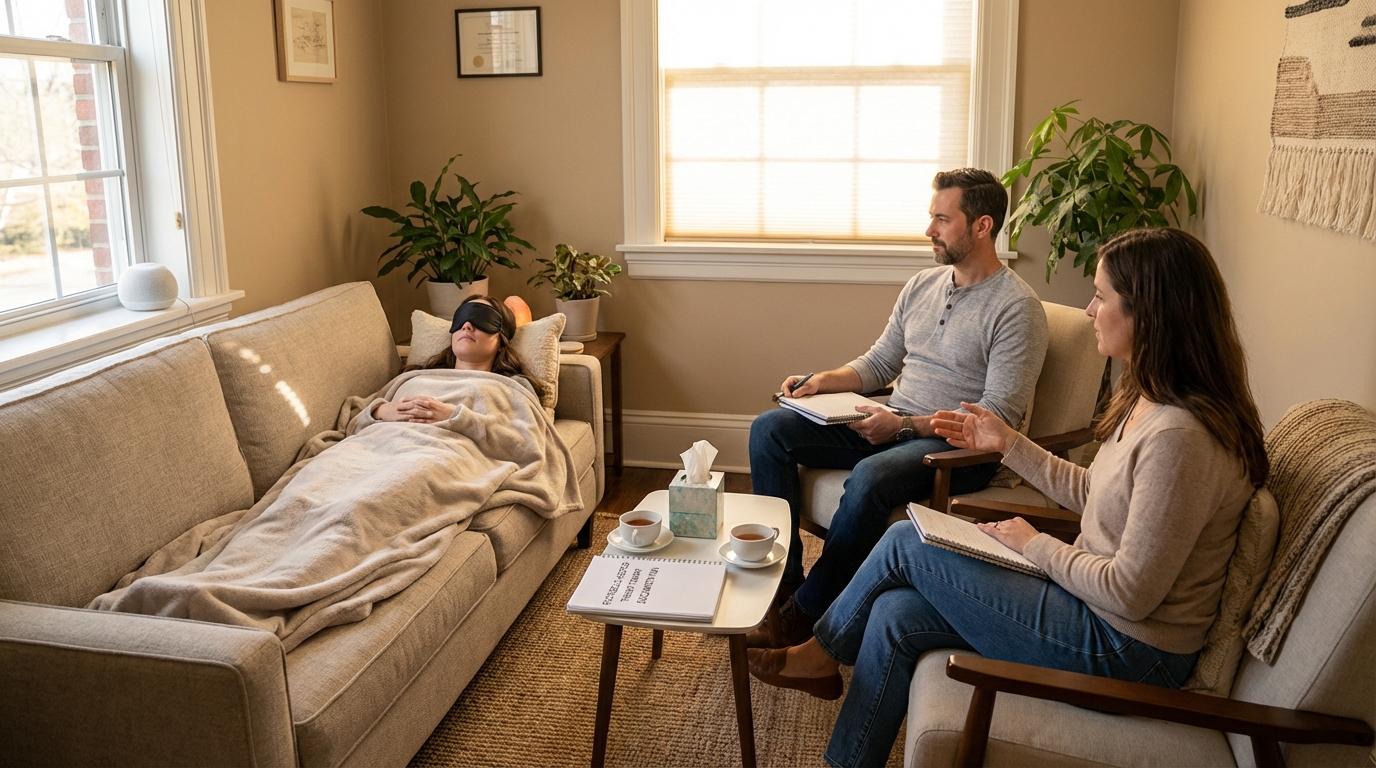
- [ ] Sitter/facilitator: Do you have appropriate support? For doses above 2.5g, a trusted, sober companion is strongly recommended. Higher doses should have a trained guide.
- [ ] Communicate with your sitter: Your sitter should know your intention, your medical history, your emergency contacts, and what to do if things become difficult. Role-play difficult scenarios.
- [ ] Inform an emergency contact: Someone not in the session should know where you are and when to expect to hear from you.
72 Hours Before: Preparation Intensifies
Physical
- [ ] Reduce stimulants: Reduce or eliminate caffeine. Heavy caffeine use primes anxiety; the session will amplify baseline states.
- [ ] Reduce alcohol: If you haven't already, eliminate alcohol in the 72 hours before the session.
- [ ] Exercise: Moderate exercise in the days before improves mood, reduces anxiety, and supports the physical demands of the session.
- [ ] Outdoor time: Spending time outside reduces stress markers and may support the nature-connection aspects of the experience.
Psychological
- [ ] No major decisions: Avoid major life decisions in the 72 hours before. Reduce destabilizing inputs.
- [ ] Reduce news/social media: Information overload and emotional news primes anxiety and negative affect.
- [ ] Revisit your intention: Read what you've written in your journal. Is your intention still current? Update if needed.
- [ ] Revisit fears: What are you most afraid of during the session? Write these down. Then write what you would tell yourself if that fear materialized.
- [ ] Surrender practice: Begin practicing psychological surrender — the willingness to let experiences happen without controlling them. Meditation, breathwork, or simply sitting with discomfort without reacting are all useful.
Setting
- [ ] Prepare the physical space: If sessioning at home, clean and organize it. The space should feel welcoming and safe. Remove clutter, potential hazards, and anything that might be disturbing to encounter while altered.
- [ ] Prepare music: If you'll use music, finalize your playlist. Avoid music with strong associations (recent breakup songs, songs that trigger difficult memories). Slow, instrumental, non-lyrical music is typically recommended for deeper work.
- [ ] Prepare comfort items: Blanket, eye mask, water nearby, comfortable pillow or bolster, tissues. Think about what you might need without having to search for it.
- [ ] Remove obstacles: Lock your car keys away. Put your phone on airplane mode or leave it in another room (except for the check-in contact). Remove firearms from the premises.
- [ ] Arrange post-session care: Who will be with you that evening? What does the next day look like? Build in space and support.
24 Hours Before: Final Preparation
- [ ] Light meals: Eat lightly. Avoid heavy, fatty, or spicy foods.
- [ ] Early bedtime: Get a full night of sleep. Sleep deprivation significantly increases anxiety and difficulty during sessions.
- [ ] Read your intention: Read your intention one more time. Revise if something has shifted.
- [ ] Brief meditation: 10-20 minutes of quiet sitting. Not to achieve a state, but to practice being present.
- [ ] Final check-in with sitter: Confirm logistics. Make sure they know what time to arrive and what the plan is.
Session Day: Morning Preparation
- [ ] Fast for 4-6 hours before the session: Light breakfast is fine if the session will be afternoon; nothing after if morning. An empty stomach reduces nausea and may intensify effects.
- [ ] Gentle morning: Avoid screens, news, stressful conversations. Take a slow walk if possible.
- [ ] Light hydration: Drink water but not excessively. Hyponatremia (overhydration) is rare but documented in psychedelic contexts.
- [ ] Final space check: Walk through the space. Is everything in order?
- [ ] Opening ritual (optional): Some people find a brief ritual — lighting a candle, reading their intention aloud, a moment of prayer or gratitude — creates a meaningful threshold between ordinary consciousness and the session. This is entirely optional and should feel authentic.
- [ ] Communicate with your sitter: Last check-in. Are you both ready?
During the Session: What You Can Prepare For
These are not things to "do" but things to know in advance:
- If anxiety arises: Breathe slowly and deeply. Ask your sitter for presence, not problem-solving. Change your body position — lying down, sitting up, or gentle movement often shifts difficult states.
- The phrase to remember: "I can surrender to this." Not "I must endure this." Not "I can control this." Surrender is not passive — it's an active choice to let the experience happen without fighting.
- If nothing happens: Some people have minimal effects from a given dose. Wait at least 2 hours before concluding the dose was insufficient. Don't redose during the session without careful deliberation.
- If things get very intense: Tell your sitter. Change your body position. Focus on breath. Look at something in the room. The peak of intensity in a challenging session typically passes within 20-40 minutes.
Preparation for After
Immediate Post-Session (Day of)
- [ ] Soft landing: Plan for a gentle, undemanding evening. No obligations, no driving, no important conversations.
- [ ] Journal immediately: Write down impressions while fresh, even if disorganized.
- [ ] Eat gently: Light, nourishing food when you're ready. Broth, fruit, easy-to-digest things.
- [ ] Stay warm: Body temperature regulation can be impaired post-session. Have a blanket.
Days 1-7
- [ ] Protect the integration window: The days immediately after are a neuroplastically sensitive period. Reduce alcohol, cannabis, and sleep disruption.
- [ ] Continue journaling: Daily if possible in the first week.
- [ ] Schedule your integration session: If you work with a therapist or guide, schedule your first integration session within 72 hours if possible.
- [ ] Gentle physical activity: Walking, gentle yoga, swimming. The body participates in integration.
- [ ] No major decisions: The post-session period can produce a feeling of clarity and certainty. This is real, but insights made in the immediate aftermath may not fully represent your post-integration perspective. Give yourself 2-4 weeks before acting on major decisions.
Month 1-3
- [ ] Identify patterns: What themes recurred across your journal entries?
- [ ] One committed action: What does the experience seem to be asking of you? Make one specific commitment and honor it.
- [ ] Ongoing integration support: Therapy, integration circles, bodywork, and continued journaling all support lasting change.