Psilocybin and Spirituality: Research, Mysticism, and Meaning
The relationship between psilocybin and spiritual experience is one of the most documented and discussed aspects of psychedelic research. What's unusual is that this relationship has been studied empirically — measured with validated scales, corre...
Psilocybin and Spirituality: Research, Mysticism, and Meaning
The relationship between psilocybin and spiritual experience is one of the most documented and discussed aspects of psychedelic research. What's unusual is that this relationship has been studied empirically — measured with validated scales, correlated with therapeutic outcomes, and examined neurologically — while remaining genuinely mysterious at its core.
A Brief History
Before Modern Research
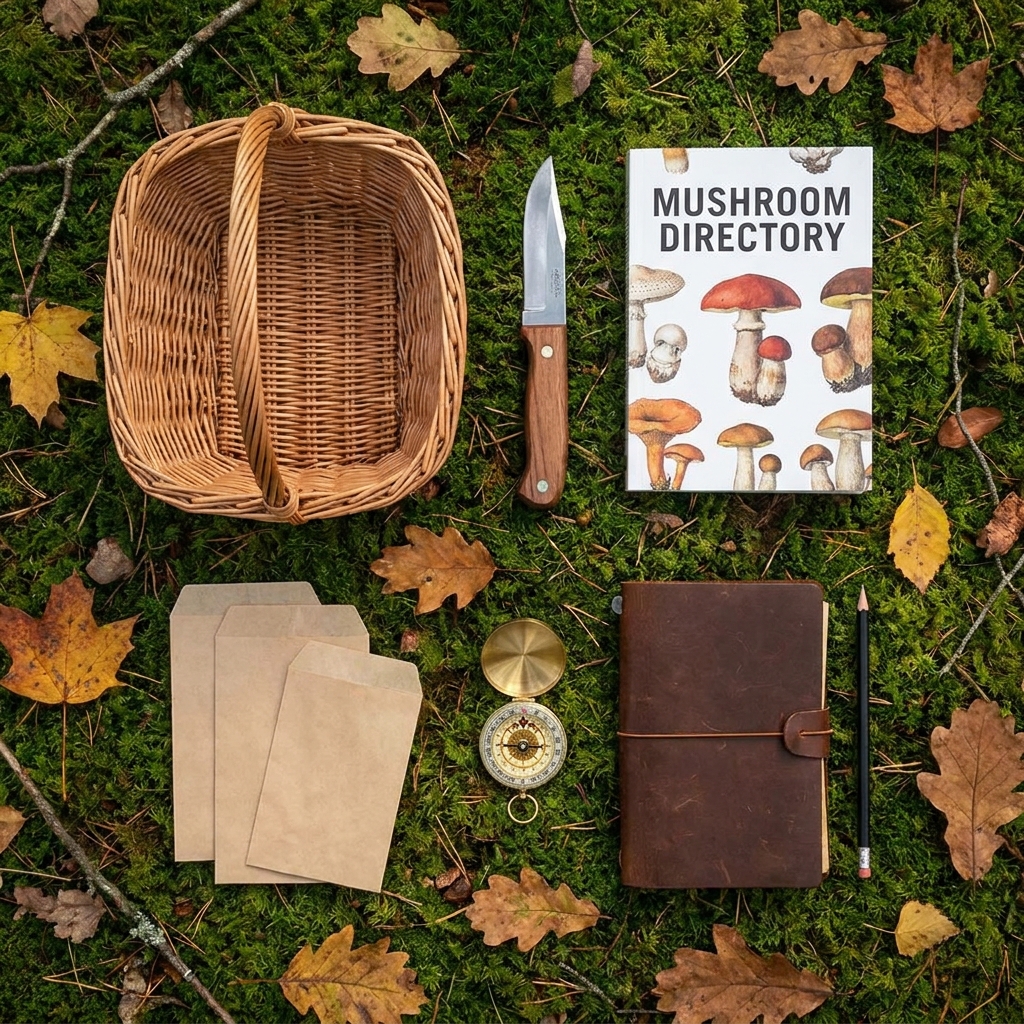
Psilocybin-containing mushrooms have been used in spiritual and religious contexts for thousands of years. Mesoamerican cultures — particularly Mazatec, Mixtec, Zapotec, and other indigenous peoples of Oaxaca — used what they called teonanácatl ("flesh of the gods") in healing ceremonies. The Mazatec healer María Sabina described these mushrooms as allowing her to speak with the divine, and her velada ceremonies in the 1950s became known to Western researchers through R. Gordon Wasson's 1957 Life magazine article.
The mushrooms were not understood as "spiritual tools" in the abstract — they were integral to specific cultural and religious practices, with protocols, lineages, and sacred purposes that modern Western use does not replicate.
The Good Friday Experiment (1962)
Walter Pahnke, a Harvard graduate student under Timothy Leary and Richard Alpert, designed what became one of the most famous experiments in psychology. In Marsh Chapel at Boston University on Good Friday, 20 seminary students received either psilocybin (30mg) or nicotinic acid (placebo) before a two-and-a-half-hour religious service.
Pahnke used nine categories drawn from the scholarly literature on mystical experience — unity, transcendence of time and space, deeply felt positive mood, sense of sacredness, noetic quality, paradoxicality, alleged ineffability, transiency, and persisting positive changes — and developed questionnaires to measure them.
Results: participants who received psilocybin scored significantly higher on nearly all mystical experience dimensions. A 25-year follow-up found that 9 of the 10 psilocybin participants continued to rate the experience as among the most meaningful of their lives.
The experiment had serious methodological problems (the placebo was not fully blinding; Pahnke's analysis omitted some negative experiences), but it established a framework for measuring mystical experience that influenced decades of research.
Measuring Mystical Experience
Modern researchers use validated instruments to assess the quality and depth of psilocybin-induced mystical experience:
Mystical Experience Questionnaire (MEQ)
Developed from Pahnke's original work, the MEQ measures:
- Unity: Sense of oneness with all things; dissolution of self-other boundaries
- Noetic quality: Sense of encountering profound truth; knowledge that felt authoritative
- Sacred: Sense that the experience had sacred or holy character
- Deeply felt positive mood: Awe, joy, gratitude, love
- Transcendence of time/space: Time seeming to stop; boundaries dissolving
- Paradoxicality: Contradictions coexisting; truths that defied logic
- Alleged ineffability: Difficulty or impossibility of describing the experience in words
"Complete mystical experience" by MEQ criteria requires scoring above threshold on all dimensions.
Relationship to Therapeutic Outcomes
A key finding across multiple studies: the degree of mystical experience during psilocybin sessions predicts therapeutic outcomes. Specifically:
- Greater mystical experience → greater reduction in depression and anxiety (cancer trials)
- Greater mystical experience → greater reduction in addiction (smoking cessation, alcohol use)
- Greater mystical experience → greater long-term wellbeing (healthy volunteer studies)
This relationship holds even when controlling for expectation effects and other variables. It suggests that the mystical experience itself — or whatever produces it — is mechanistically relevant, not merely epiphenomenal.
The Neuroscience of Spiritual Experience
How does a pharmacological agent produce experiences that meet scholarly criteria for mystical states?
Default Mode Network Suppression
The default mode network (DMN) is a set of brain regions active during self-referential processing — the ongoing narrative sense of "me." Psilocybin strongly suppresses DMN activity.
Researchers hypothesize that ego dissolution experiences — the loss of distinct self-other boundaries, the sense of unity — are the experiential correlate of this neurological change. When the neural machinery that maintains a separate self is quieted, the experience of separation dissolves.
Increased Neural Entropy
Psilocybin increases the "entropy" of neural activity — the randomness, complexity, and disorder of brain signals. This is associated with:
- Synesthetic phenomena (sensory blending)
- Novel associations and insights
- The breakdown of habitual cognitive patterns
Some researchers interpret this as the brain temporarily becoming more flexible — more able to form new connections, question established narratives, and experience the world without the filters of habitual perception.
Default Mode Network and the "Sense of God"
Researchers including Andrew Newberg have studied the neural correlates of spiritual experience in meditators and people with spontaneous mystical experiences. DMN suppression, particularly in the inferior parietal lobule (associated with self-other boundaries), correlates with experiences of unity and self-transcendence.
Psilocybin may access this same neurological machinery through a pharmacological route.
Philosophical Dimensions
Is It "Real"?
The most contested question: do psilocybin-induced mystical experiences reveal genuine truths about reality, or are they hallucinations — neurological events that produce subjective states without referents?
This is not resolvable empirically. What can be said:
- The experiences are subjectively as compelling as any other experience
- They produce lasting positive changes in values, behavior, and psychological wellbeing
- Many religious traditions hold that genuine spiritual experience is difficult to distinguish from imitation from the inside
- Some philosophers of religion argue that the mechanism of a spiritual experience does not determine its validity
The "Merely Chemical" Objection
A common objection: if psilocybin is "just" activating brain receptors, any resulting experience is "merely chemical" and therefore not genuinely spiritual.
This objection applies equally to all experience. Every experience — including prayer, meditation, and spontaneous mystical states — is mediated by neurochemistry. The fact that psilocybin reliably produces certain states does not, by itself, tell us whether those states correspond to anything beyond the brain.
Set, Setting, and the Secular vs. Sacred
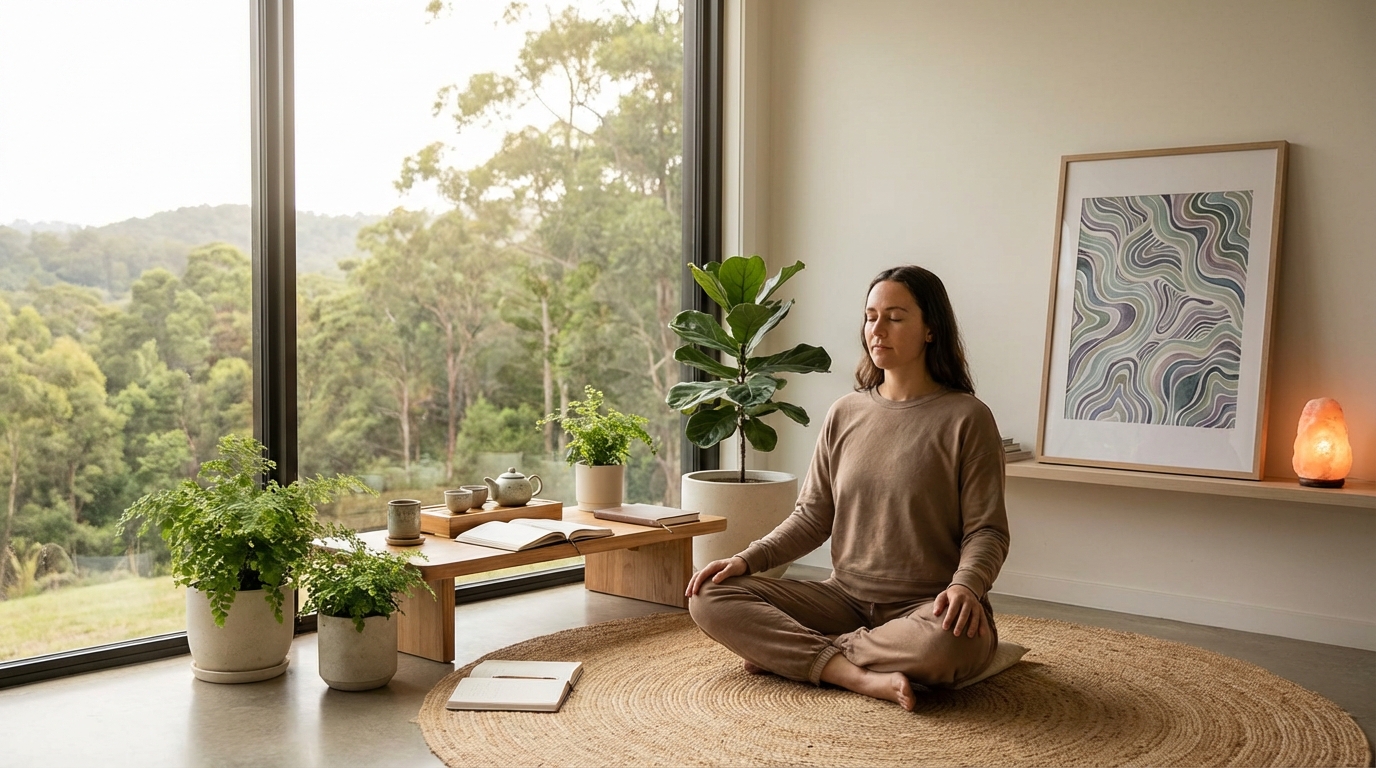
Whether a psilocybin session is framed spiritually or psychologically appears to influence the experience. Participants who approach sessions with spiritual intentions and frameworks report more mystical experiences; sessions in secular clinical settings produce fewer purely mystical experiences (though therapeutic outcomes can still be excellent).
This suggests that "spirituality" is not epiphenomenal but functionally relevant — the frame affects what arises.
Integration and Spiritual Emergence
Not all psilocybin-induced spiritual experiences are pleasant. The dissolution of a familiar sense of self, contact with profound awe or terror, confrontations with one's own finitude — these can be destabilizing.
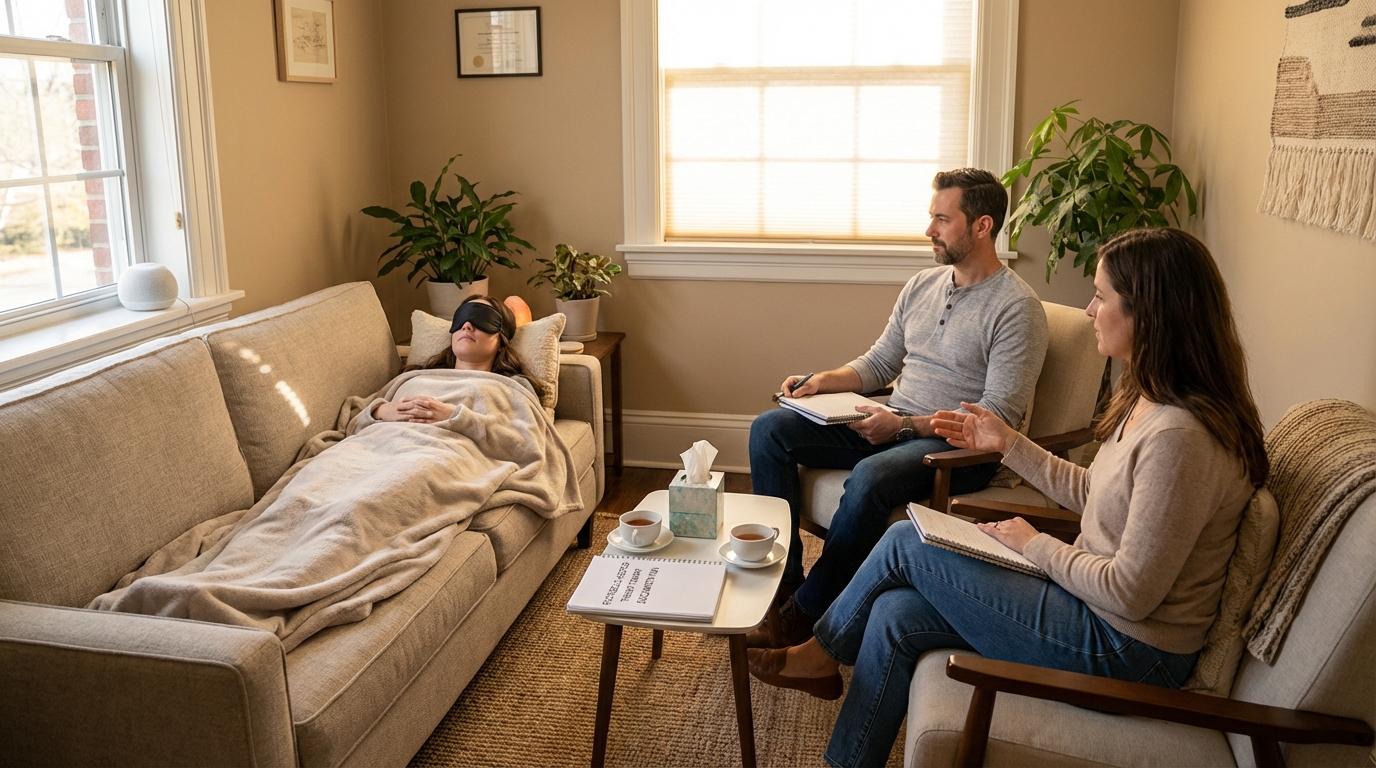
The concept of "spiritual emergence" vs. "spiritual emergency" in transpersonal psychology describes the spectrum from transformative growth to psychological crisis. Proper preparation, suitable set and setting, and robust integration support are essential when deep spiritual material arises.
Signs that spiritual integration may benefit from professional support:
- Persistent sense of unreality or dissociation after sessions
- Grandiosity or belief in special spiritual mission
- Difficulty returning to ordinary functional life
- Persistent fear, terror, or confusion about meaning
Practical Guidance
For those approaching psilocybin with spiritual intentions:
- Study your own tradition — whatever frameworks for understanding extraordinary experience resonate with you, engage with them before a session. The session may confirm, challenge, or radically recontextualize what you believe.
- Don't force it — mystical experience cannot be reliably produced by intention. Setting a rigid expectation for transcendence can block the surrender that often precedes it.
- Prepare for difficulty — the most transformative sessions often include material that is not comfortable. Dark imagery, dissolution, facing aspects of oneself that are not admirable — these can be as spiritually productive as joy and unity.
- Integration takes time — the shift in perspective from a profound session may take months to fully integrate. Don't make major life decisions in the immediate aftermath.
- Respect lineage — if you are drawn to indigenous frameworks for understanding these experiences, engage with them respectfully, understanding that these traditions did not develop for individual recreational or therapeutic use but for community healing within specific cultural contexts.