Integration Practices: A Complete Post-Session Guide
Integration is the work that happens between the psilocybin session and lasting change. The session opens a window — neurobiologically (the plasticity window) and psychologically (the openness, the freshness, the disruption of habitual patterns). ...
Integration Practices: A Complete Post-Session Guide
Integration is the work that happens between the psilocybin session and lasting change. The session opens a window — neurobiologically (the plasticity window) and psychologically (the openness, the freshness, the disruption of habitual patterns). Integration is the process of using that window intentionally, to consolidate insights into changed behavior, perspective, and relationship to self and others.
Without integration, even profound psilocybin experiences tend to fade back into baseline over weeks to months. With intentional integration, the same experiences can produce durable change. This guide covers the full range of integration practices — what they are, when to use them, and how to combine them.
The Integration Timeline
Days 1-3: The Immediate Aftermath
The first 72 hours after a session are characterized by the beginning of the afterglow — elevated mood, openness, cognitive flexibility — and also by rawness. The psyche is tender; the insights are fresh but not fully integrated.
What to do:
- Rest and allow the experience to settle. Don't immediately demand that you understand or apply everything.
- Journal immediately while the experience is vivid — not analysis, just recording. Write what you saw, felt, and understood without editing.
- Avoid alcohol (which directly suppresses the neuroplasticity mechanisms the afterglow represents).
- Take notes on specific insights, images, or moments that feel significant. These will serve as anchors for later integration work.
What to avoid:
- Major decisions or significant conversations based purely on the afterglow state. The elevated clarity can make poorly-considered decisions feel obviously right.
- Immediately telling everyone about your experience — selective sharing with trusted people serves better than broadcasting.
Days 4-14: Active Integration Window
The neuroplasticity window is most active in the first two weeks. This is when new practices take hold most readily, when conversations produce the most insight, and when the material from the session is most available for active work.
Focus: Establishing practices. Starting the meditation habit, the therapy sessions, the journaling rhythm. The reduced resistance of the afterglow makes habit formation easier — use this.
Weeks 3-6: Consolidation and Settling
The afterglow gradually diminishes. The qualities of openness, self-compassion, and cognitive flexibility begin to return toward baseline. This is normal and doesn't mean the session failed.
The integration blues: Many people experience a dip as the afterglow fades — the ordinary mind's patterns return and feel newly unwelcome. This is information, not failure. It shows what the work still involves.
Focus: Maintaining the practices established in weeks 1-2. Working with what arose in the session through therapy or journaling. Noticing where the habitual patterns persist.
Months 2-6: Long-Term Consolidation
The lasting changes from psilocybin tend to stabilize around 2-6 months post-session. Research follow-ups at 3 and 6 months show sustained effects in most participants who integrate intentionally.
Focus: Living the insights. The session may have opened a direction; integration's long-term work is actually moving in that direction — in choices, relationships, and practices.
Integration Practices
Journaling
Journaling is the most accessible and most universally recommended integration practice. It serves multiple functions simultaneously: processing, recording, clarifying, and tracking change over time.
Effective journaling approaches:
Free writing: Set a timer for 15-30 minutes and write without stopping, editing, or self-censoring. Follow whatever emerges. This bypasses the analytical mind's tendency to organize experience before you've fully felt it.
Session narrative: Write a complete narrative of the session experience — what happened chronologically, what you felt, what you saw, what was said (by your inner voice or if others were present). This creates a record that becomes invaluable over time.
Theme journaling: Identify 2-3 specific themes, insights, or images from the session and explore each one in dedicated entries. What does this mean? What does it connect to in my life? What might it be asking of me?
Values clarification: If the session shifted your sense of what matters, write specifically about what you value now. What priorities shifted? What did the session reveal as less important than you thought? More important?
Progress tracking: Weekly entries for the first 2-3 months noting changes you're observing — in mood, behavior, relationships, habits. This provides feedback on integration and creates a longitudinal record.
Meditation
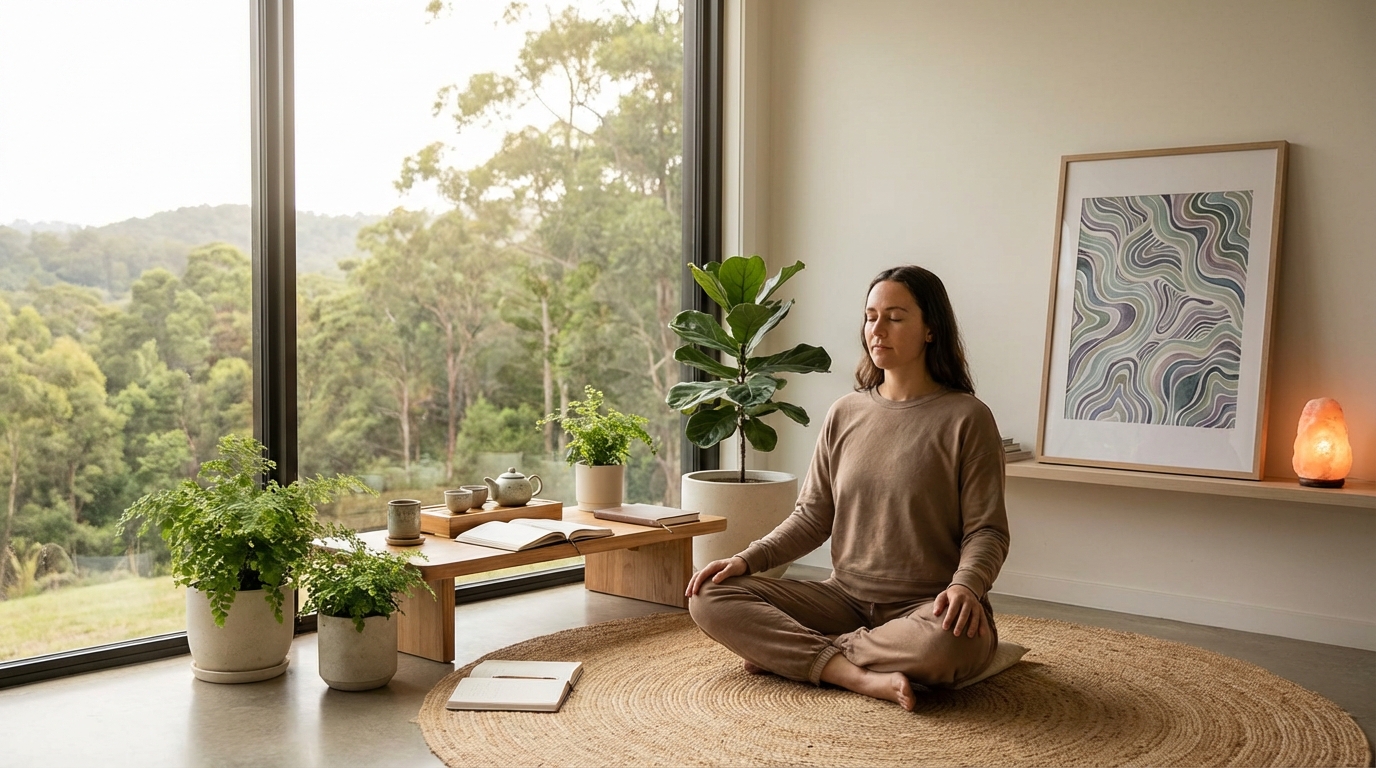
Psilocybin and meditation have a natural relationship — both work through the same general territory of self-referential processing, ego identification, and present-moment awareness. Establishing a meditation practice in the post-session integration period is among the most evidence-supported recommendations.
Why meditation supports integration:
- Stabilizes attention in a way that allows insights to deepen rather than dissipate
- Develops the capacity to observe mental states (including habitual patterns) without being swept into them
- Maintains contact with the quality of mind that the session opened, allowing it to consolidate
Getting started: 10-20 minutes daily is sufficient to produce effects. Simple practices — breath awareness, body scan, loving-kindness — are appropriate starting points. The goal during integration is consistency, not depth.
Mindfulness in daily life: Beyond formal sitting, post-session integration benefits from mindfulness in ordinary activities — deliberately bringing awareness to sensory experience, emotion, and social interaction throughout the day.
Somatic Practices
Psilocybin sessions often involve intense somatic (body-level) experiences — emotions felt in the body, physical releases, energy moving through the system. Somatic integration practices work with the body directly to process what the session opened.
Yoga: Particularly practices that emphasize awareness and breath (Hatha, Yin, somatic-oriented yoga) rather than athletic performance. The combination of movement, breath, and body awareness can surface and move material that remains stuck in sitting meditation.
Breathwork: Practices like holotropic breathwork, circular breathing, or even simple box breathing can continue the integration process between sessions. Some people use breathwork intentionally to return to a softer, more open state when integration challenges become difficult.
Body scan: A structured practice (often done lying down) of systematically moving attention through the body, noticing sensation without trying to change it. Particularly useful for accessing emotions that haven't yet risen to the level of conscious thought.
Walking in nature: For many people, sustained walking in natural environments — woods, parks, coastlines — supports integration in ways that indoor practice doesn't. The session often opens a sense of connection to the living world; walking in nature continues that relationship.
Integration Therapy
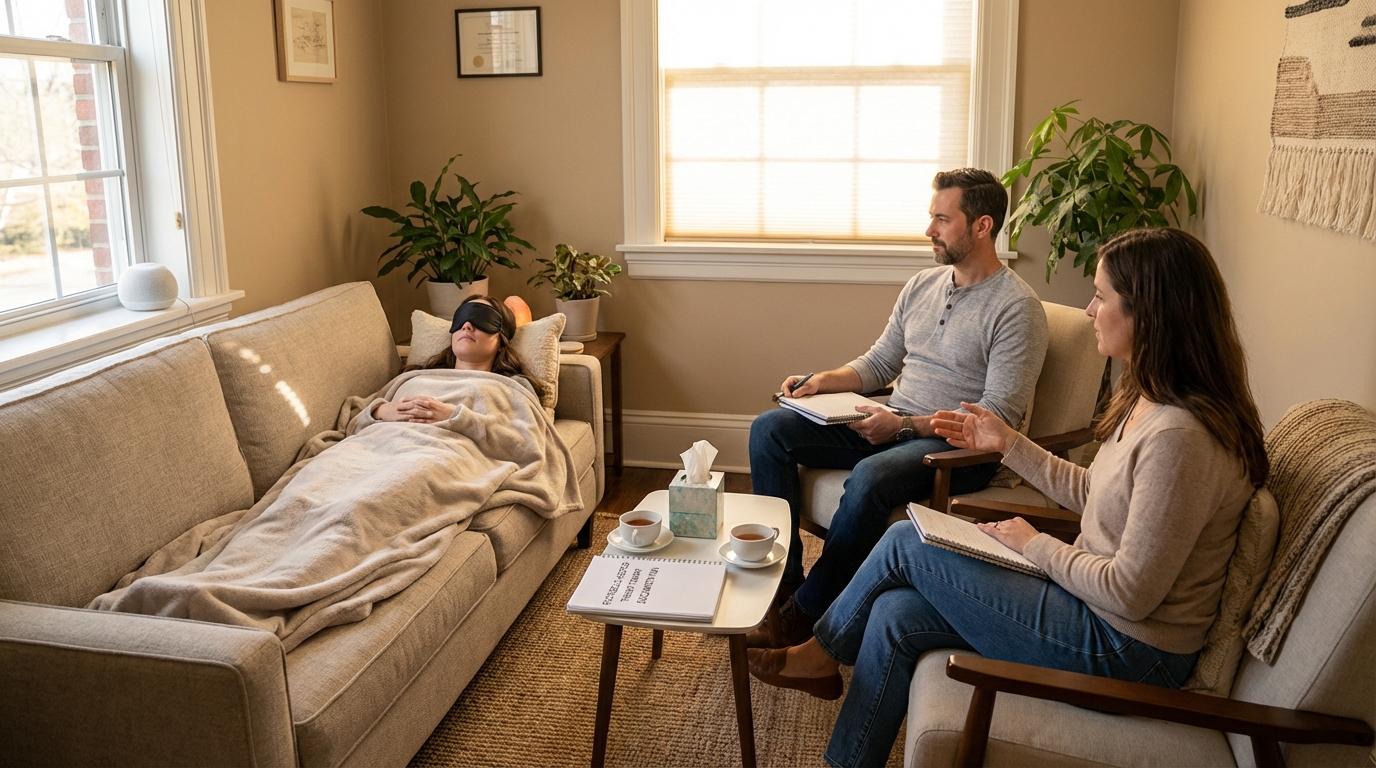
Working with a therapist who understands psilocybin integration is among the most valuable integration resources available. The combination of psilocybin's opening effect and skilled therapeutic relationship can accelerate integration significantly.
What integration therapists provide:
- A container for processing difficult or confusing material from the session
- Reflection and perspective on themes without imposing interpretation
- Support for applying session insights to specific life situations
- Professional expertise in working with trauma, relationship patterns, and psychological material that the session may have surfaced
Finding integration therapists: The MAPS therapist directory, Psychedelic.support, and the CIIS public program maintain directories. Look for therapists trained in psychedelic integration, trauma-informed practice, and ideally with personal experience of altered states work.
Frequency: Weekly sessions in the first 4-6 weeks after a session is a common protocol; sessions can taper as integration stabilizes.
Community and Peer Integration
Sharing experience with trusted others — whether in a formal integration circle, a peer group, or individual conversations — serves integration in ways that solitary practice cannot.
Integration circles: Group integration settings facilitated by trained practitioners. Participants share experiences and witness others without advice or analysis. The act of being heard by people who understand the context is itself therapeutic.
Trusted individual conversations: Sharing with one or two trusted people who understand psychedelic experiences (or who are simply good listeners) can clarify understanding and reduce the isolation that can accompany processing difficult material.
Online communities: Reddit's r/RationalPsychonaut, r/PsilocybinMushrooms, and specific subreddits focused on integration can provide peer connection. Online communities have limitations (anonymity reduces accountability; advice quality varies) but can provide real support for people without local community access.
Creative Expression
Art, music, movement, and other creative expression can access and process material that language doesn't reach. Many people find that drawing, painting, playing music, dancing, or other creative work during the integration period allows direct expression of session experiences that resist verbal description.
No artistic skill required: The purpose is processing, not product. Crayon drawings, finger painting, improvised music, or free movement in a private space serve the same function as polished artistic work — the process matters, not the outcome.
Lifestyle Adjustment
For many people, psilocybin sessions produce direct insight into lifestyle changes that would support wellbeing — specific relationship patterns to address, habits to shift, environments to change. Integration includes the practical work of actually implementing these changes.
Common areas of insight-driven lifestyle change:
- Dietary changes (particularly alcohol reduction or elimination)
- Sleep practices
- Time in nature
- Digital/screen relationship
- Social and relationship choices
- Career or purpose alignment
The afterglow's reduced resistance to change makes the post-session period unusually good for establishing new patterns. Use it.
Combining Practices
Integration is most effective as a multi-modal practice — combining several approaches rather than relying on one. A typical effective integration protocol might include:
- Daily journaling (15-30 min) for the first month
- Meditation practice (10-20 min) established in week 1 and maintained
- Weekly integration therapy sessions for 6-8 weeks
- Regular time in nature
- One or two meaningful conversations with trusted people about the experience
The specific combination matters less than the commitment to consistent, intentional engagement with the integration process over time.
Signs That Integration Is Working
Lasting change from psilocybin integration doesn't always look dramatic. Signs of effective integration include:
- Specific behaviors or patterns that have shifted since the session
- Changed responses to previously triggering situations
- Increased capacity to be present in relationships
- Values being lived more consistently rather than aspirationally
- Reduced habitual self-criticism
- New practices being maintained 2-3 months post-session
- A sense of direction or meaning that has changed from pre-session baseline
Integration has worked when the insights aren't just remembered — they're lived.