What Harm Reduction Means
Harm reduction began as an HIV prevention strategy for people who inject drugs, grounded in the recognition that telling people to stop using drugs does not stop them from using drugs, but providing clean needles does reduce transmission of bloodb...
Psychedelic Harm Reduction: Core Principles
Harm reduction is a public health framework that aims to minimize the negative consequences of drug use without requiring abstinence as a precondition for support. Applied to psychedelics, it recognizes that people are using these substances — legally or not — and that providing accurate information and support reduces risk more effectively than moral condemnation or information suppression.
This guide covers the core principles of psychedelic harm reduction, how to support someone having a difficult experience, when to seek emergency help, and the specific risk profile of psilocybin.
What Harm Reduction Means
Harm reduction began as an HIV prevention strategy for people who inject drugs, grounded in the recognition that telling people to stop using drugs does not stop them from using drugs, but providing clean needles does reduce transmission of bloodborne illness. Applied more broadly, it means meeting people where they are: respecting autonomy, providing accurate information, reducing risk without judgment, and recognizing that imperfect risk reduction is better than none.
For psychedelics, harm reduction means: testing substances before use, starting with low doses, not using alone, choosing the right time and setting, not mixing with other substances, and knowing what to do when things get difficult. It also means that when someone is having a difficult experience, the priority is their safety and dignity — not their drug use history.
Core Harm Reduction Principles for Psilocybin
Test your substance. Reagent testing kits (Ehrlich, Hofmann) can confirm the presence of indole alkaloids consistent with psilocybin and rule out substituted substances. This is especially important if your source is uncertain. DanceSafe and other organizations provide testing resources.
Start low, go slow. For first or unfamiliar experiences, 1–1.5 grams of dried Psilocybe cubensis is a reasonable starting point. You can always take more next time. You cannot take less once you have dosed.
Set and setting. Your internal psychological state (set) and physical environment (setting) are the primary determinants of experience quality. Use in a safe, comfortable, familiar space when you are in a reasonably stable emotional place. Avoid psilocybin during periods of acute crisis, significant conflict, or major stress.
Have a sober sitter. A trusted, sober person who knows you have taken a psychedelic and understands their role — to keep the environment safe and provide calm support — significantly reduces the risk of accidents and psychological crisis escalating.
Do not mix with other substances. Psilocybin has clinically significant interactions with SSRIs (reduced effect), lithium (risk of seizures — this combination should never be used), and MAOIs (risk of serotonin syndrome). Alcohol and cannabis both affect the experience in ways that are difficult to predict. Stimulants increase cardiovascular stress during peak.
Know your medical history. Psilocybin is contraindicated for people with personal or family history of schizophrenia, bipolar I disorder, or other psychotic conditions. People with significant cardiovascular conditions should consult a physician, as psilocybin raises heart rate and blood pressure during the peak.
Recognizing Difficult Experience vs. Crisis
The most important skill in psychedelic harm reduction is distinguishing between a difficult experience — which is common, usually self-resolving, and often therapeutically meaningful — and a genuine crisis requiring intervention.
Difficult experience (common, support as described below): intense emotions, fear, confusion, profound disorientation, feeling overwhelmed, crying, reliving painful memories. These experiences typically resolve within the session and often leave the person feeling meaningfully changed afterward.
Potential crisis (may require escalation): sustained inability to communicate or be reached through verbal contact; extreme agitation or panic that does not respond to grounding over 30+ minutes; indication that the person may harm themselves or others; signs of cardiovascular distress (chest pain, extreme heart rate, difficulty breathing); seizures (rare, but a specific risk with lithium co-ingestion).
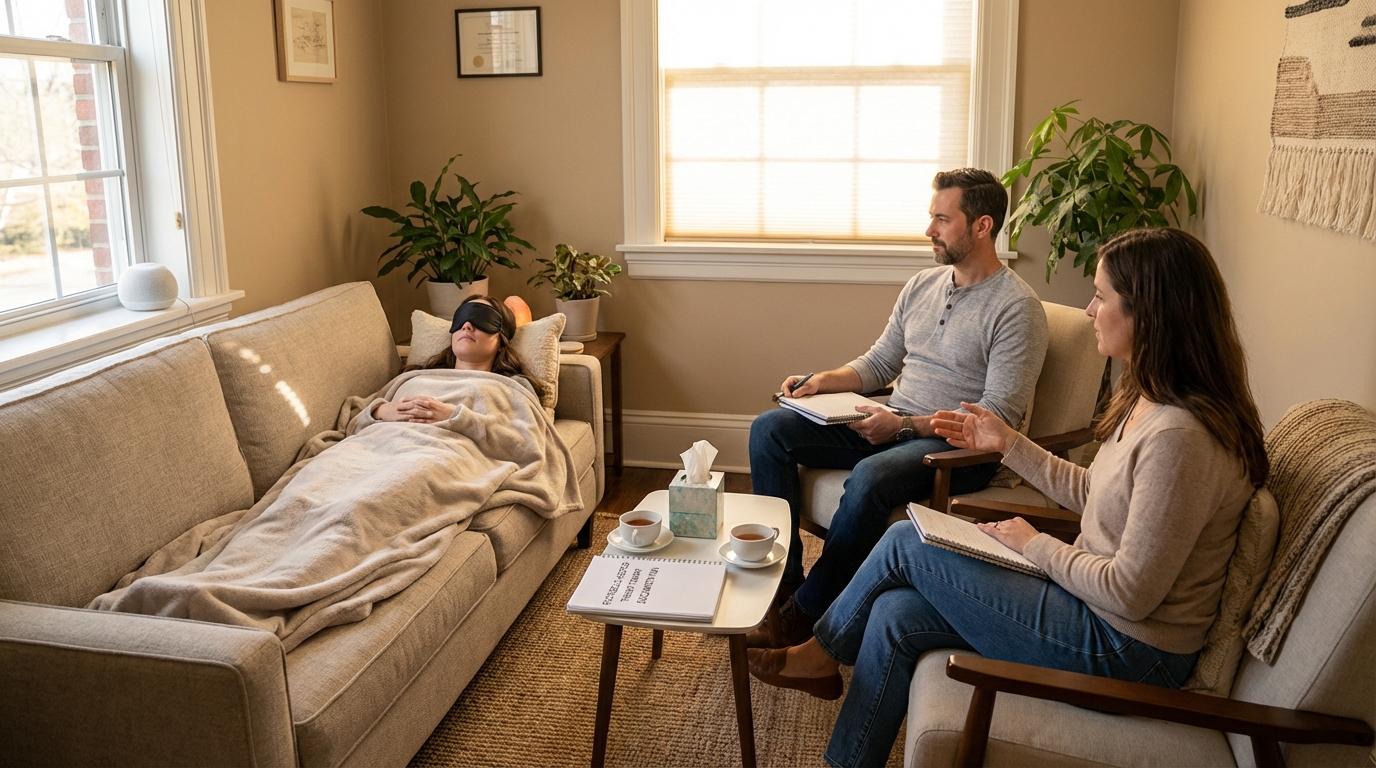
Supporting Someone Having a Difficult Psychedelic Experience
The Zendo Project (a harm-reduction organization founded by MAPS) and Fireside Project (crisis support line) have developed evidence-informed principles for supporting difficult psychedelic experiences. Key principles:
Stay calm. The sitter's nervous system is contagious. A calm, regulated presence is the most therapeutic thing you can offer. Do not express alarm even if you feel it.
Create a safe space, not a straight jacket. Reduce environmental stimulation: turn off harsh lights, mute or change overwhelming music, move away from crowds if in a public setting. Do not restrain the person unless there is immediate risk of physical harm.
Talk with, not at. Use gentle, open-ended language. "I'm here with you. Can you tell me what's happening?" works better than "Calm down, you're fine." Reassure them that the experience will end and that their body is safe.
Grounding techniques. Invite physical contact with the environment — feeling the floor or ground beneath them, touching a familiar object, slow breath together. Offer water. Mild physical movement (sitting up, moving to a different room) can shift the experience.
Do not try to stop the experience. Psilocybin cannot be antidoted with standard medication except in cases of genuine emergency. Benzodiazepines can significantly reduce intensity if a true crisis develops, but their use should be reserved for genuine emergencies — suppressing a difficult experience that is not a crisis can interrupt natural processing.
When to Seek Emergency Help
Call emergency services if: the person is actively attempting to harm themselves or others; there are signs of seizure; the person is unresponsive; there are signs of severe cardiovascular distress; you cannot maintain a safe environment. In a medical emergency, be honest with providers about what substance was taken — this is medically relevant and your candor helps the person receive appropriate care. Many jurisdictions have legal protections (911 Good Samaritan laws) for people who report drug-related emergencies in good faith.
The Fireside Project operates a free psychedelic support line (1-623-473-7433) for non-emergency difficult experiences.
Specific Psilocybin Risks
Beyond general psychedelic risk, psilocybin carries specific considerations:
Accidents and falls. During the peak, coordination and judgment are significantly impaired. Falls are among the most common physical injuries. Ensure the environment is physically safe and a sitter is present.
Cardiovascular stress. Blood pressure and heart rate rise during the peak. People with significant cardiovascular conditions should exercise particular caution.
Psychological destabilization. In individuals with underlying vulnerability to psychosis or a history of significant trauma, psilocybin can trigger lasting psychological distress. This is why pre-session screening is a standard component of responsible practice.
Duration. Psilocybin effects last 4–6 hours. Plan accordingly. Do not drive for at least 6–8 hours after dosing.
The TRIP Framework
A useful memory aid used in some harm reduction training: Trust (trust the person's process; don't direct or override), Relax (model calm), Intention (help ground them in their own intention if they have one), Presence (just being there, without agenda, is the primary therapeutic act).
This content is educational and supports safer practices. It does not constitute medical or legal advice.