Psilocybin for Cancer Anxiety and End-of-Life Distress
Some of the strongest evidence in the psilocybin literature doesn't come from depression or addiction research — it comes from palliative care. The Hopkins and NYU cancer anxiety studies produced effect sizes so large that they stood out even to r...
Psilocybin for Cancer Anxiety and End-of-Life Distress
Some of the strongest evidence in the psilocybin literature doesn't come from depression or addiction research — it comes from palliative care. The Hopkins and NYU cancer anxiety studies produced effect sizes so large that they stood out even to researchers accustomed to seeing modest pharmaceutical trial results. This page covers what those studies showed, what the mechanism might be, and how to access this treatment.
The Clinical Evidence
Johns Hopkins — Griffiths et al. 2016
The landmark study. 51 patients with life-threatening cancer diagnoses (mostly advanced-stage) and clinically significant depression or anxiety about their diagnosis.
- Two sessions: low-dose (1mg/70kg) and high-dose (22mg/70kg or 30mg/70kg) in crossover design
- At 6 months: 78% showed significant decrease in depressed mood, 83% showed significant decrease in anxiety
- 65% rated the high-dose session among the five most personally meaningful experiences of their lives
- 67% rated it among the five most spiritually significant experiences of their lives
Effect sizes (Cohen's d) were in the range of 1.0–2.0 for most measures — exceptionally large by psychiatric trial standards.
NYU Langone — Ross et al. 2016
Simultaneously published, independently conducted. 29 patients with alcohol use disorder and 51 patients with cancer-related anxiety.
- Single psilocybin session (0.3mg/kg) vs. niacin (active placebo)
- 7 weeks post-session: 83% showed significant anxiety reduction in psilocybin group vs. 14% placebo
- 6 months: 83% maintained significant anxiety reduction; 58% maintained depression remission
- 70% rated the session a top-5 life experience
Both studies found that the mystical experience score (MEQ30 — a validated measure of mystical-type experience quality) was the strongest predictor of therapeutic outcome. Participants who reported more intense mystical experience during the session had greater anxiety and depression reduction afterward.
What Is Being Treated
The clinical target is existential distress — a distinct cluster of psychological suffering that commonly accompanies a terminal diagnosis:
- Dread of the dying process (pain, loss of function, loss of control)
- Fear of non-existence
- Grief about leaving relationships and unfinished life
- Loss of meaning or purpose
- Disconnection from one's ongoing life due to preoccupation with death
Standard antidepressants and anxiolytics address the anxiety and depression symptoms — the emotional surface — but typically don't touch the existential dimension. SSRIs don't help most people accept their mortality.
What the palliative care psilocybin studies found: patients who had profound mystical or unity experiences during the session frequently described a qualitative shift in their relationship with death — not that it was no longer scary, but that it felt comprehensible, integrated, natural rather than catastrophic. The mechanism appears to be experiential, not pharmacological in the traditional sense.
The Mystical Experience Correlation
The Hopkins and NYU cancer anxiety studies contributed significantly to what is now one of the most consistent findings across psilocybin research: the intensity of mystical-type experience during the session is the strongest predictor of therapeutic outcome across indications.
The Mystical Experience Questionnaire (MEQ30) measures:
- Sense of unity or oneness
- Noetic quality (a feeling that something genuinely true was perceived)
- Sacredness
- Deeply felt positive mood
- Transcendence of time and space
- Paradoxicality (ineffability, beyond ordinary language)
In the cancer anxiety studies, participants who scored highest on MEQ30 had the largest and most durable reductions in anxiety and depression. This correlation has been replicated in the smoking cessation, alcohol, and depression studies as well.
The implication for protocol: set and setting, facilitator presence, preparation, and dose selection all matter not because they affect comfort alone, but because they affect the likelihood and quality of the mystical experience — and that quality is what predicts healing.
Who Can Currently Access This Treatment
Clinical trials: Several active trials recruit patients with cancer-related distress. ClinicalTrials.gov — search "psilocybin cancer" for current enrolling sites. Hopkins, NYU, and UCSF all have or have had palliative care psilocybin programs.
Oregon service centers: Oregon's licensed service centers (operational since 2023) can legally provide psilocybin sessions to any adult — including those with cancer diagnoses — without a medical diagnosis requirement. This is the most accessible legal pathway currently. Cost: $1,200–$4,500.
Jamaica retreats: Legal, accessible, and used by some cancer patients — but vary significantly in therapeutic quality. Vet retreats carefully; medical support capacity matters for this population.
Netherlands retreat clinics: Several Dutch truffle retreat centers specifically serve people with terminal diagnoses, often with clinical staff on site.
Practical Considerations for Terminal Patients
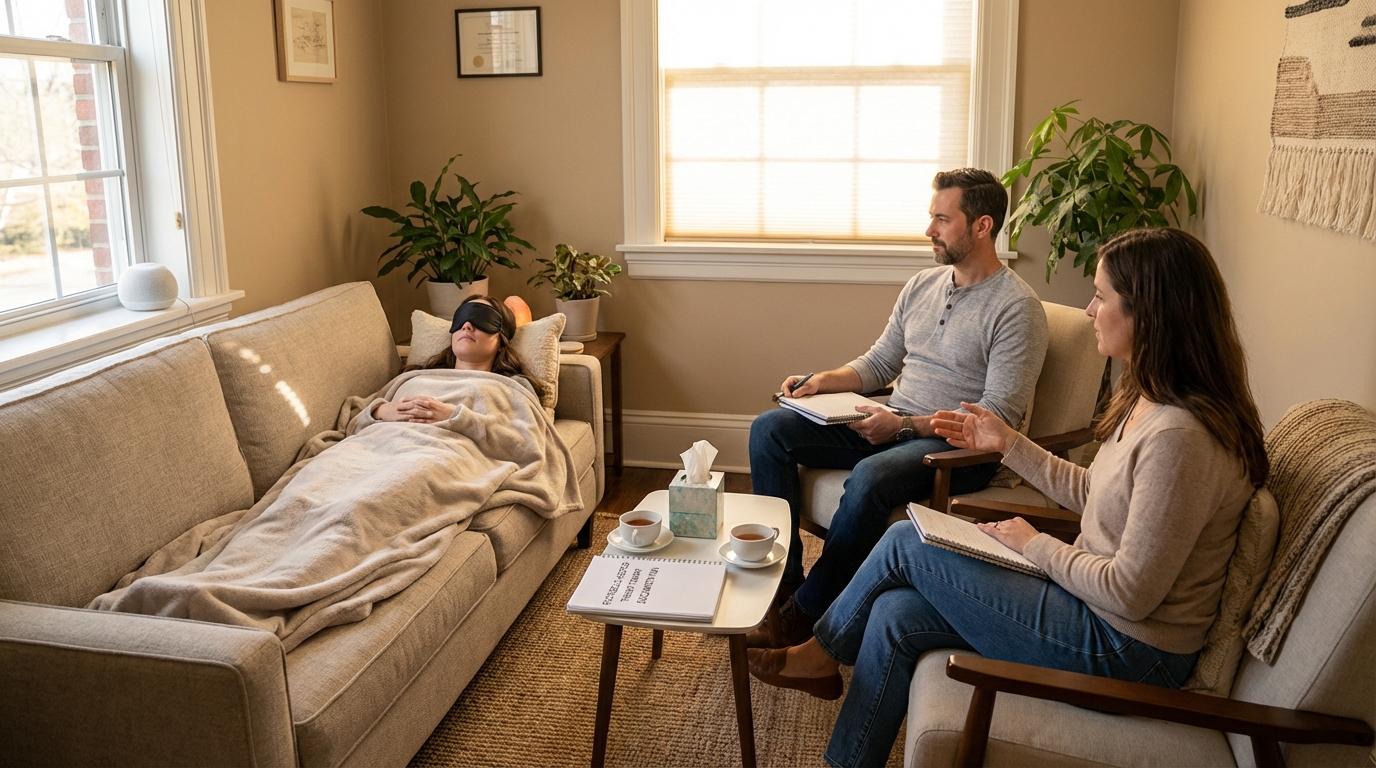
Timing: Physical condition matters. Sessions require approximately 6-8 hours of sustained engagement. Patients who are too physically debilitated for this may not be able to complete the session safely.
Medical clearance: Cardiac conditions, certain medications (particularly MAOIs), and very fragile physical states require medical review before psilocybin use. Reputable service centers will conduct intake screening.
Family involvement: Many palliative care protocols involve family members in preparation and/or integration. The Hopkins researchers noted that family dynamics and goodbyes often became part of the therapeutic work.
What to hope for: The evidence suggests the most common benefit is not cure of grief or fear — it's a qualitative shift in how death is held. Many patients describe spending their remaining time with more presence, more willingness to be close to the people they love, less consumed by dread. This is a meaningful outcome even in the context of ongoing physical suffering and eventual death.
Resources
- Hopkins Psychedelic Research Unit: hopkinspsychedelic.org — research and referrals
- NYU Langone Psychedelic Medicine: med.nyu.edu/departments-institutes/psychiatry/research/psychedelic-medicine
- ClinicalTrials.gov: search "psilocybin cancer" — current enrolling trials
- Oregon Health Authority: psilocybinservices.oregon.gov — licensed service center list
- Being With Dying (Roshi Joan Halifax): upaya.org — contemplative end-of-life care