Microdosing Psilocybin: Separating the Hype From the Evidence
About This Video
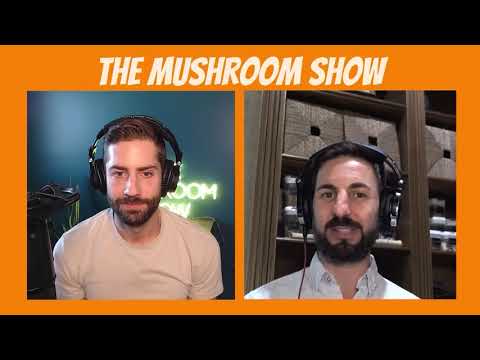
Microdosing — taking sub-perceptual doses of psilocybin (typically 0.1–0.3g of dried mushrooms) on a regular schedule — has become one of the most discussed topics in the psychedelic space. The anecdotal reports are compelling: improved focus, reduced anxiety, greater emotional resilience, creative breakthroughs. The research is more complicated. This video from The Third Wave does an honest job of separating what the studies actually show from what the community believes they show.
The central problem the video identifies is the expectancy effect. In every open-label microdosing study to date, people who believe they're microdosing show improvements — whether they actually received psilocybin or a placebo. The landmark Imperial College London 'self-blinding' study found that blinded participants showed much smaller effects than those who knew their condition. This doesn't mean microdosing doesn't work; it means we don't yet know how much of the effect is pharmacological versus expectancy.
The Fadiman Protocol (one day on, two days off) and the Stamets Protocol (five days on, two days off, with lion's mane and niacin) are both explained clearly, including the rationale behind each. The video is careful to note that Paul Stamets' specific stack has very limited controlled research behind it despite his visibility.
The harm reduction content is particularly good: the video explains why abruptly stopping SSRIs to microdose is dangerous, why tracking your experience with a journal matters more than following a protocol rigidly, and why the absence of perceptual effects doesn't mean you should increase the dose. It also covers the 'microdosing too much' failure mode — doses that bleed into perceptual territory cause anxiety and impaired function rather than the clarity people are seeking.
Key Takeaways
- Controlled research on microdosing shows strong expectancy effects — blinded studies find much smaller benefits than open-label reports.
- The Fadiman Protocol (1 day on, 2 off) has the most community validation; the Stamets Stack has minimal controlled research despite widespread discussion.
- A true microdose (0.1–0.3g dried) should produce zero perceptual effects — if you feel anything, the dose is too high.
- Never stop SSRIs abruptly to begin microdosing — taper under medical supervision or microdose while on SSRIs (effects will be dulled).
- Journaling your experience across a 4–8 week protocol matters more than the specific protocol you choose.
Watch Next


Dive Deeper
Continue exploring this topic on LearnShrooms: