Gul Dolen - Psychedelic Critical Periods
Founder: Gul Dolen, PhD
Headquarters: Baltimore, Maryland
Website: https://www.dolenlab.org/
Category: Science & Research
About the Channel
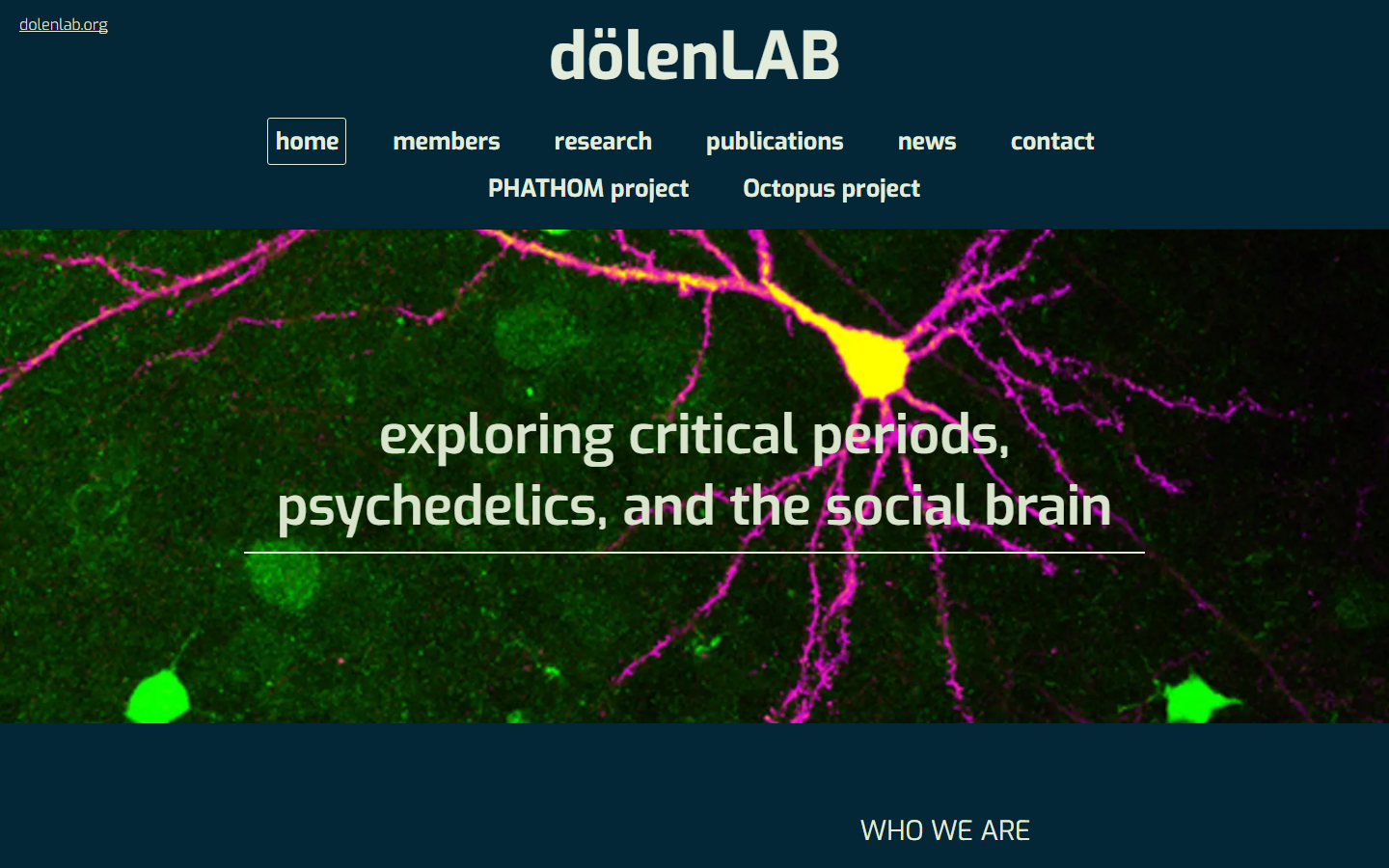
Gul Dolen is a Johns Hopkins neuroscientist whose lab studies critical periods, social reward learning, and how psychedelics may reopen windows of plasticity. The official lab site is the verified source for this creator-style record; the old @GulDolen YouTube handle was not verified.
Editorial Context
Use this profile for source-backed neuroscience framing around critical-period reopening and plasticity. Do not treat it as an official YouTube channel unless a current channel is later confirmed.
Key Topics
- critical period reopening by MDMA
- social reward learning in adolescence vs adulthood
- implications for psychedelic-assisted therapy timing
- comparison of psychedelics for critical period reopening
- what happens in the brain during the integration window