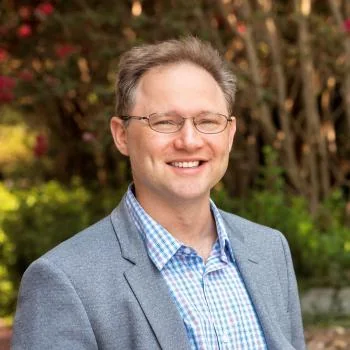
Boris Heifets
Anesthesiologist and Psychedelic Mechanisms Researcher, Stanford University
Stanford anesthesiologist who has produced landmark research showing psilocybin's antidepressant effects may be separable from its psychedelic experience — potentially overturning a core assumption in the field.
Biography
Boris Heifets is an associate professor of anesthesiology at Stanford University School of Medicine and a central figure in the Stanford Psychedelic Science Group. His background in anesthesiology — a discipline that specializes in controlled alteration of consciousness — positions him unusually well to investigate the pharmacological mechanisms that make psilocybin therapeutically effective.
Heifets's most significant published work challenges one of the field's most widely held assumptions: that the psychedelic experience itself — the subjective journey, ego dissolution, mystical states — is necessary for therapeutic benefit. In preclinical mouse studies using ketamine to block the acute psychedelic effects of psilocybin, Heifets's lab found that antidepressant effects persisted even when the animals showed no behavioral signs of a psychedelic state. This finding, published in Nature in 2023, ignited significant debate about whether the 'trip' is the therapy or merely a correlate of it.
The implications are substantial. If psilocybin's therapeutic mechanism is primarily pharmacological rather than experiential, it might be possible to develop analogs or delivery methods that preserve the benefit without the hours-long altered state that requires supervised clinical sessions. It also raises questions about whether psychological preparation and therapeutic support contribute anything beyond placebo — a deeply contested question Heifets approaches empirically rather than ideologically.
Organizations
Why They Matter to the LearnShrooms Community
Heifets's research on whether psilocybin's effects can be separated from the psychedelic experience is one of the most consequential scientific debates in the field, with direct implications for how psilocybin therapies are designed, regulated, and scaled.
Legal Context
For the legal landscape where Boris Heifets operates, see psilocybin laws in California.