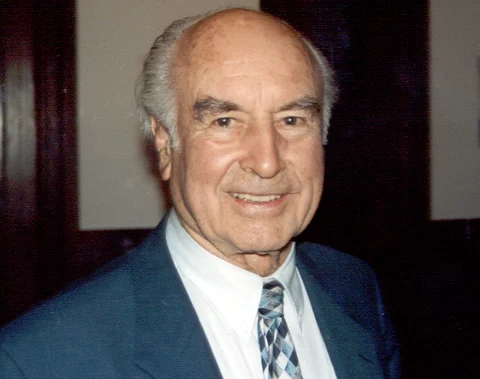
Albert Hofmann (1906–2008)
Chemist; Synthesizer of LSD; First Isolation of Psilocybin and Psilocin
The Swiss chemist who synthesized LSD in 1938, experienced its effects in 1943, and isolated psilocybin and psilocin in 1958 — establishing the chemical foundation for all modern psychedelic research.
Biography
Albert Hofmann was a Swiss chemist who worked for Sandoz Pharmaceuticals in Basel. On April 19, 1943 — now celebrated as 'Bicycle Day' — he had the first intentional LSD experience after accidentally absorbing a small amount of the compound he had synthesized five years earlier while investigating ergot derivatives.
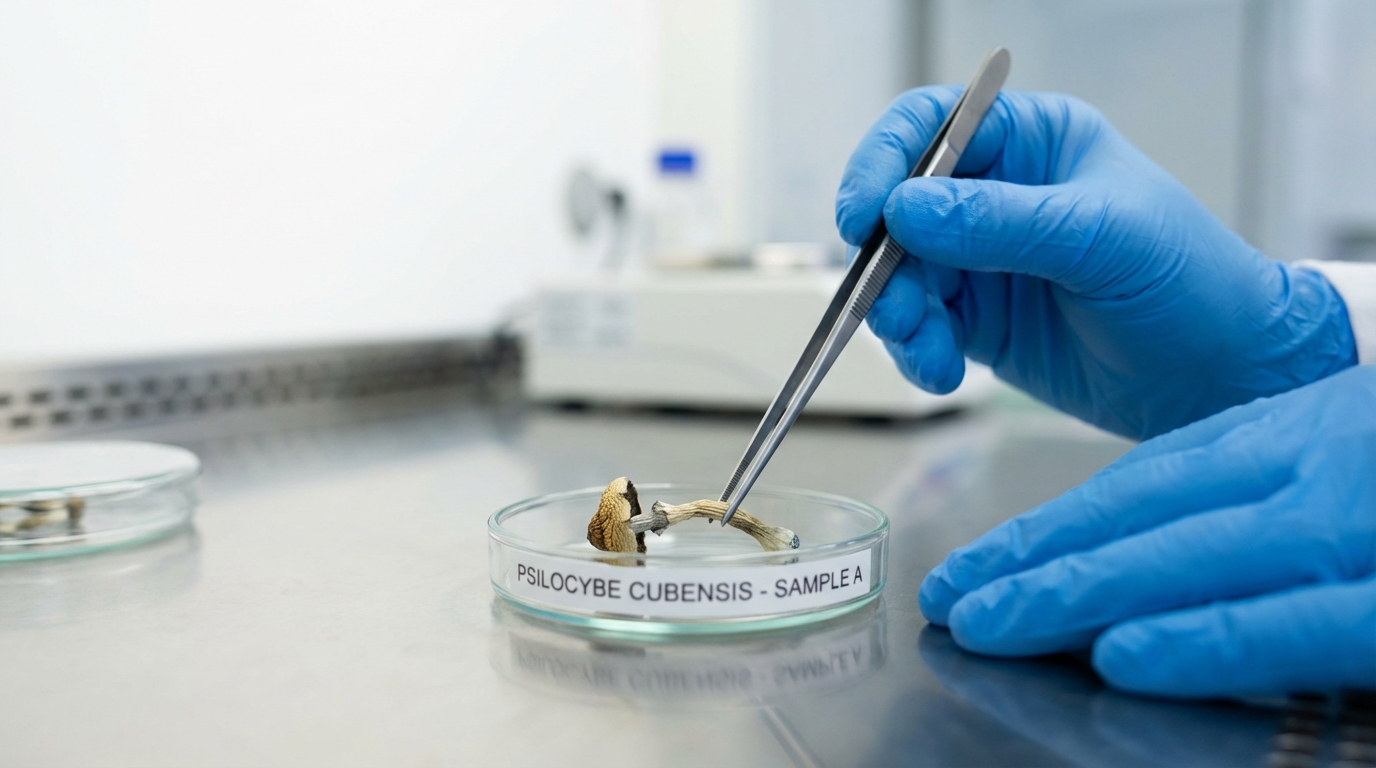
In 1957, R. Gordon Wasson contacted Hofmann after publishing his account of the Mazatec velada in LIFE Magazine. Wasson provided specimens of the mushrooms used in the ceremony. In 1958, Hofmann and colleagues isolated the active compounds, which he named psilocybin and psilocin — the first chemical identification of the compounds responsible for the ritual mushroom effects documented by Wasson.
Hofmann synthesized psilocybin in the laboratory, making controlled research possible. The synthetic psilocybin used in all clinical trials today (including COMP360) is structurally identical to what Hofmann first isolated.
Hofmann lived to 102, remained intellectually active into his final years, and was an outspoken advocate for the therapeutic and spiritual potential of psychedelics. His autobiography LSD: My Problem Child (1979) is a foundational text in psychedelic literature.
Organizations
Source Links
Why They Matter to the LearnShrooms Community
Hofmann's isolation of psilocybin from mushrooms is the direct scientific origin of all modern psilocybin research. Every clinical trial and every synthetic psilocybin product builds on his 1958 isolation work. He also represents the possibility of a life fully integrated with psychedelic insight — he described his final LSD experience at age 100 as confirming a lifetime of meaningful work.