Two sessions, two years later — what actually changed and what didn't
Two years after two facilitated psilocybin sessions for depression and PTSD. An honest accounting of what changed and what didn't.
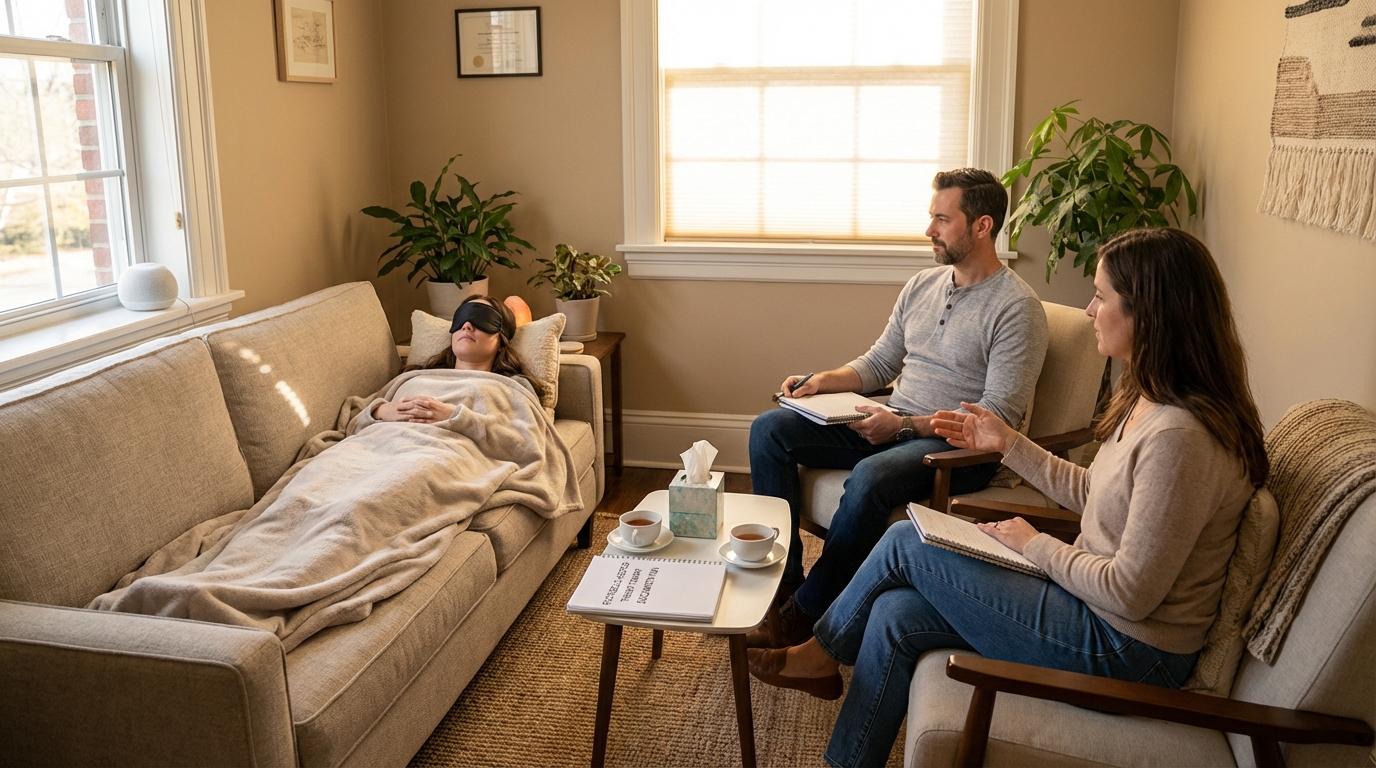
I did two facilitated psilocybin sessions in the spring of 2024 — both at home, both with my therapist present. I had treatment-resistant depression and what I'd since learned to call complex PTSD from a childhood that I won't describe in detail here. Conventional therapy and three antidepressants had produced partial improvement over years. The psilocybin sessions were not my last resort — but they were a meaningful escalation of what I was willing to try.
Two years out, I want to give an honest accounting of what changed and what didn't, because I've seen too many accounts that are either glowingly transformational or disillusioned disappointments, and my experience was neither.
What changed permanently: The baseline quality of my inner life improved meaningfully. Before the sessions, I had a persistent background noise — a kind of low-level dread that I'd lived with so long I thought it was personality. That noise is quieter now. Not absent, but no longer dominant. My therapist says I'm more 'available' in sessions — less defended, more able to access and talk about difficult material.
What changed temporarily, then needed work to maintain: The immediate post-session weeks were exceptional. I slept better, related to people more openly, had more energy for things I care about. That period faded after 6–8 weeks. The lasting version required the integration work to follow — continuing therapy, deliberate practice of the insights, and eventually a third session (8 months after the second) to address material that had emerged but not resolved.
What didn't change: My fundamental personality — still introverted, still prone to overthinking, still moved by the same things. The depression didn't disappear; it became more manageable and less identity-defining. I still have difficult periods. They're shorter and I have better tools now.
The honest summary: psilocybin didn't heal me. It opened a door that made healing more possible. Walking through that door required everything that came after — and continues to require it. If you're imagining a two-session cure, recalibrate. If you're asking whether it was worth it: yes. By a considerable margin.
More Experience Reports
Three years of talk therapy, one psilocybin session, and a fundamentally different relationship with anxiety. A first-timer's account of a licensed Oregon session.
Read →What happens when you underestimate a potent strain. A first-person account of a difficult experience, how the STOP protocol made the difference, and what emerged from the center of it.
Read →A Marine veteran with treatment-resistant PTSD reflects 60 days after participating in a university psilocybin clinical trial. The session didn't cure anything. But the relationship changed.
Read →